
Tomato Novel Sees 13-Fold Surge in Submissions as AI Floodgates Open

The AI Writing Boom Overwhelms Online Literature Platforms

The digital shelves at Tomato Novel are overflowing - not just with stories, but with an unprecedented wave of AI-generated content. Recent data reveals a jaw-dropping 1,302% surge in new book submissions compared to last year, skyrocketing from 400 to over 5,600 titles.

Editors Under Siege

"My inbox looks like a robot uprising," confessed one anonymous editor who now receives seven to eight AI-generated manuscripts daily. Some have resorted to extreme measures - temporarily shutting down submission channels altogether. Platforms are fighting back with upgraded detection systems combining algorithmic scans and human oversight, though these safeguards sometimes mistakenly flag legitimate new authors.

Human Writers Adapt Amidst the AI Onslaught

Mid-tier author Xiao Li maintains cautious optimism despite the deluge. With three serials boasting over 10,000 subscribers each, he notes: "The secret sauce isn't just storytelling - it's real-time responsiveness. When readers beg for romantic scenes at midnight, I deliver by morning. Current AI can't match that human touch."

Many professionals now use AI selectively:

  • Brainstorming assistance for character names and world-building
  • Editing passes to polish rough drafts
  • Research augmentation for historical or technical details

The emotional core and plot architecture remain firmly in human hands.

Voice Acting Industry Feels the Ripple Effects

The AI revolution extends beyond writing studios. Voice actor "Teacher Q" reports audiobook production costs have plummeted by nearly two-thirds thanks to synthetic voices. His studio now thrives on hybrid projects:

  1. AI handles initial narration for efficiency
  2. Human performers add nuance during revision passes The result? Double the orders compared to traditional recording methods.

Survival Strategies in the New Literary Landscape

The industry appears headed toward what analysts call "the hybrid future":

  • Low-barrier entry: Aspiring writers can start projects more easily than ever before
  • Premium on adaptability: Successful creators blend technical savvy with authentic reader engagement
  • Quality divide: Pure AI content struggles with completion rates while human-AI collaborations thrive

The message seems clear - artificial intelligence may change how stories get made, but readers still crave that irreplaceable human connection.

Key Points:

  • Tomato Novel submissions increased 13-fold year-over-year
  • Editors report receiving 7-8 AI manuscripts daily, forcing some to close submissions
  • Successful authors use AI as a tool rather than replacement, maintaining creative control
  • Audiobook production costs dropped 60% through hybrid human-AI workflows
  • Industry moving toward "two-track system" of accessible creation and premium human-touched content

Enjoyed this article?

Subscribe to our newsletter for the latest AI news, product reviews, and project recommendations delivered to your inbox weekly.

Weekly digestFree foreverUnsubscribe anytime

Related Articles

News

Grok Restricts Image Creation After Controversy Over AI-Generated Explicit Content

Elon Musk's AI tool Grok has suspended image generation features for most users following backlash over its ability to create non-consensual explicit content. The move comes amid regulatory pressure, particularly from UK officials threatening platform bans. While paid subscribers retain access, critics argue this doesn't solve the core issue of digital exploitation through AI.

January 9, 2026
AI ethicscontent moderationdigital safety
News

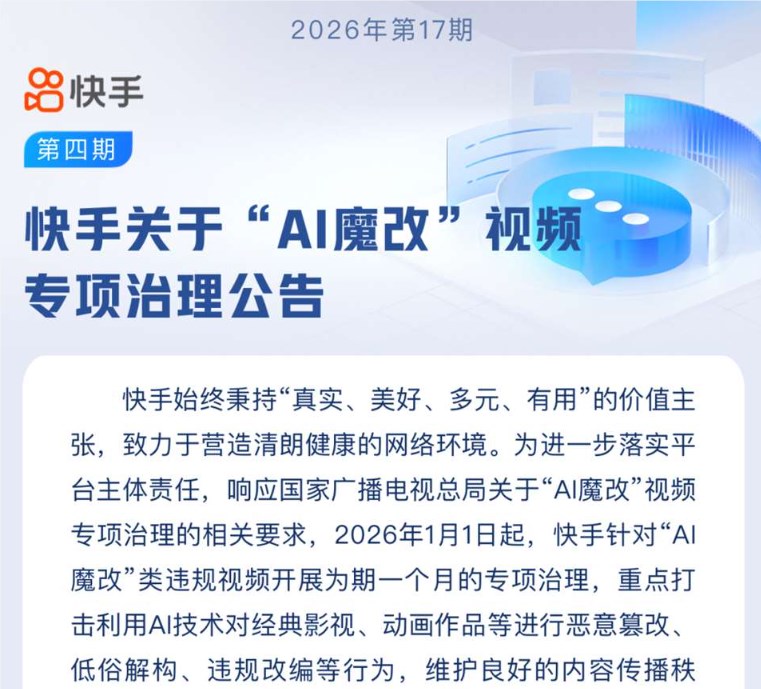
Major Platforms Crack Down on AI-Altered Classics

China's top social media platforms have removed thousands of videos that used AI to modify classic literature and historical content in their first week of a nationwide cleanup campaign. WeChat, Douyin and Kuaishou each took down over 1,000 offending clips, while other platforms issued warnings and bans to repeat offenders.

January 9, 2026
AI regulationcontent moderationdigital culture
News

Shenzhen Cracks Down on AI Platforms Spreading Vulgar Content

Shenzhen authorities have launched a sweeping cleanup targeting AI-powered platforms accused of spreading inappropriate content. The crackdown focuses particularly on protecting minors from vulgar material while addressing issues like fake news and manipulative live streaming practices. Officials vow to maintain pressure on digital platforms to ensure a safer online environment.

January 7, 2026
online regulationAI governancecontent moderation
News

India Gives X Platform Ultimatum Over AI-Generated Explicit Content

India's government has issued a stern warning to Elon Musk's X platform, demanding immediate action against its AI chatbot Grok for generating inappropriate content. The platform faces a 72-hour deadline to implement safeguards against explicit AI-generated images, particularly those targeting women and minors. Failure to comply could strip X of its legal protections in one of the world's largest digital markets.

January 4, 2026
AI regulationcontent moderationdigital safety
China Tightens Rules on AI-Altered Classics Starting 2026
News

China Tightens Rules on AI-Altered Classics Starting 2026

China's media regulator announces a crackdown on AI-modified versions of classic novels and animations starting January 2026. The month-long campaign targets distorted adaptations that misrepresent cultural heritage or promote harmful content. Officials cite growing concerns about inappropriate AI recreations affecting young viewers' values.

December 31, 2025
AI regulationChinese classicscontent moderation
News

Spotting AI Writing: Wikipedia Editors Share Their Tricks

Wikipedia editors have created a handy guide to help identify AI-generated content online. The guide highlights telltale signs like overused phrases, exaggerated importance claims, and vague marketing language that often appear in machine-written texts. As AI writing becomes more sophisticated, these clues help readers distinguish human from artificial authorship.

November 21, 2025
AI detectionWikipediacontent moderation