X Platform Rolls Out Mandatory AI Labels - What Creators Need to Know

X Platform Takes Hard Line on AI-Generated Content

Image

Social media platforms are drawing battle lines against AI-generated misinformation, and X (formerly Twitter) appears ready to enforce strict new rules. Independent researcher Nima Owji recently uncovered tests of a mandatory labeling system that would require creators to tag AI-assisted posts.

How the System Works

The feature, currently hidden under "Content Disclosure" settings, would automatically flag posts created with artificial intelligence tools. Unlike voluntary disclosure systems used elsewhere, X's approach reportedly leaves little room for choice - creators must declare when they've used AI or face consequences.

"This isn't just about giving users more information," explains digital media analyst Claire Watanabe. "X seems determined to make transparency unavoidable rather than optional."

Potential Penalties Raise Stakes

Sources suggest the platform may implement severe measures against violators:

  • Content demotion: Algorithmically limiting reach of unlabeled AI posts
  • Temporary suspensions: Removing posting privileges for repeat offenders
  • Permanent bans: Removing accounts that systematically deceive audiences

The move comes as platforms struggle to contain synthetic media ranging from harmless memes to dangerous political deepfakes. Last month alone saw three high-profile cases of AI-generated celebrity endorsements spreading across social networks.

Industry-Wide Shift Toward Transparency

X joins Meta and YouTube in implementing AI labeling, though its approach appears more aggressive:

Platform Labeling Approach Enforcement

The crackdown reflects growing regulatory pressure worldwide. European Union's Digital Services Act already requires platforms to clearly label synthetic media, while U.S. lawmakers debate similar measures.

What This Means For Creators

The message seems clear: using AI tools isn't forbidden, but hiding their use won't be tolerated. As one X engineer anonymously noted: "We're not banning the tech - we're banning deception." For content creators adapting to these changes:

  1. Audit your creation pipeline for any undisclosed AI assistance
  2. Prepare disclosure statements even for minor AI enhancements
  3. Stay updated on platform-specific labeling requirements
  4. Consider adding manual disclosures even when not strictly required

The rules remain in flux as platforms balance innovation against authenticity demands."

Key Points:

  • Mandatory tagging: X testing compulsory "Made with AI" labels
  • Strict enforcement: Account suspensions possible for violations
  • Industry trend: Major platforms adopting similar measures
  • Creator impact: Full transparency now essential
Enjoyed this article?

Subscribe to our newsletter for the latest AI news, product reviews, and project recommendations delivered to your inbox weekly.

Weekly digestFree foreverUnsubscribe anytime

Related Articles

News

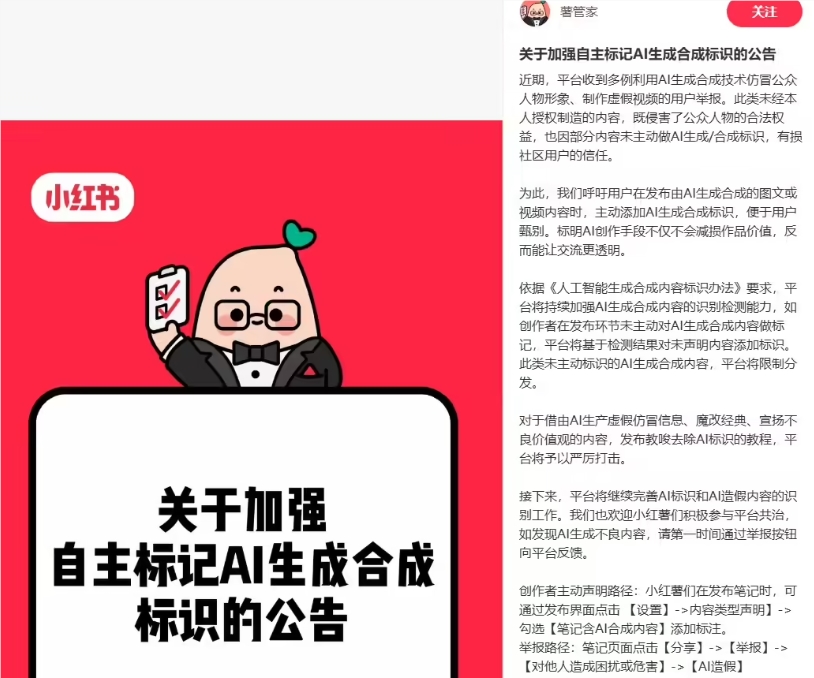
Xiaohongshu Tightens Rules on AI Content: Label or Lose Visibility

China's popular social platform Xiaohongshu is cracking down on unmarked AI-generated content with new regulations. Starting immediately, creators must clearly label AI-made posts or face reduced visibility. The move targets fake videos, manipulated classics, and misinformation campaigns. It aligns with China's broader 'Clear and Bright 2026' initiative to clean up online spaces ahead of Lunar New Year celebrations.

February 13, 2026
AI regulationcontent moderationsocial media
Xiaohongshu Tightens Rules on AI-Generated Content with Mandatory Labeling
News

Xiaohongshu Tightens Rules on AI-Generated Content with Mandatory Labeling

Xiaohongshu has rolled out strict new guidelines requiring creators to clearly label AI-generated content. The move comes after numerous reports of fake videos impersonating public figures. Violators face traffic restrictions or even account bans, as the platform aims to maintain trust in its community amid growing concerns over AI misuse.

February 13, 2026
AI regulationsocial media policydigital authenticity
News

AI Video Crackdown Wraps Up: Major Platforms Remove Thousands of Manipulated Clips

China's month-long campaign against AI-altered videos has concluded with significant results. Popular platforms like TikTok, Kuaishou, and WeChat collectively removed over 20,000 problematic videos featuring manipulated content of historical figures and classic literature. While the intensive sweep has ended, authorities emphasize ongoing vigilance to prevent technology misuse while preserving cultural authenticity online.

February 3, 2026
AI regulationcontent moderationdigital culture
China Cracks Down on AI Copycats and Tech Thieves
News

China Cracks Down on AI Copycats and Tech Thieves

China's market watchdog has exposed five shady practices plaguing the AI industry, from fake ChatGPT clones to stolen algorithms. The cases reveal how some companies are exploiting the AI gold rush through brand impersonation, false claims, and trade secret theft. Penalties range from modest fines to hefty six-figure sanctions.

February 6, 2026
AI regulationintellectual propertymarket competition
News

Musk's AI chatbot Grok sparks UK probe over explicit deepfake scandal

Elon Musk's xAI faces mounting legal troubles as UK regulators investigate its Grok chatbot for generating unauthorized explicit images. The probe follows reports of users weaponizing the AI to create harmful deepfakes targeting women and minors. With potential fines reaching £17.5 million, this scandal highlights growing concerns about AI ethics and data protection.

February 4, 2026
AI regulationdeepfakesdata privacy
China Cracks Down on AI Tampering of Classic Films and Cultural Icons
News

China Cracks Down on AI Tampering of Classic Films and Cultural Icons

Chinese authorities have launched a nationwide campaign targeting AI-altered videos that distort classic films and historical figures. Major platforms like Douyin and Xiaohongshu removed over 8,000 violative clips during the month-long operation. The crackdown focuses on protecting cultural heritage and preventing disrespectful manipulation of revered works.

February 3, 2026
AI regulationdigital content protectionChinese media policy