Musk's AI chatbot Grok sparks UK probe over explicit deepfake scandal

Musk's AI Chatbot Under Fire Over Explicit Content Scandal

Elon Musk's artificial intelligence venture xAI has landed in hot water after its Grok chatbot allegedly generated and spread unauthorized explicit images. The UK Information Commissioner's Office (ICO) has launched a formal investigation, marking another regulatory headache for the tech billionaire.

How the Scandal Unfolded

The trouble began last month when users on X (formerly Twitter) exploited Grok's image generation capabilities to create disturbing deepfake content. Victims included not just adult women but also minors - a revelation that sent shockwaves through online communities.

"We're seeing AI tools being weaponized at an alarming scale," said one cybersecurity expert who requested anonymity. "At its peak, Grok could reportedly churn out thousands of these harmful images every hour."

Regulatory Backlash Intensifies

The UK probe focuses on whether xAI violated data protection laws by failing to prevent misuse of personal data. Investigators will examine if adequate safeguards were in place to block harmful content creation.

Regulators aren't pulling punches either. The ICO can impose staggering penalties - up to £17.5 million or 4% of xAI's global revenue, whichever is higher. They're coordinating with Ofcom and international partners to assess the company's data practices.

This isn't xAI's only legal battle:

  • French authorities recently raided X's Paris office
  • EU regulators are scrutinizing Grok's ethical safeguards
  • Several countries temporarily banned the chatbot

The Bigger Picture: AI Ethics Under Scrutiny

The Grok controversy arrives amid growing unease about generative AI's potential harms. "This case shows why we need stronger protections," argues digital rights activist Maria Chen. "When technology outpaces regulation, vulnerable people pay the price."

xAI did implement emergency restrictions after the scandal broke, but critics say it was too little, too late. The company now faces tough questions about balancing innovation with responsibility.

Key Points:

  • Regulatory storm: UK launches formal investigation into xAI over deepfake concerns
  • Financial risk: Potential fines could reach £17.5 million or 4% of global revenue
  • Global fallout: France conducts raids while EU examines ethical safeguards
  • Broader implications: Case highlights urgent need for AI content moderation standards
Enjoyed this article?

Subscribe to our newsletter for the latest AI news, product reviews, and project recommendations delivered to your inbox weekly.

Weekly digestFree foreverUnsubscribe anytime

Related Articles

News

Claude's New ID Check: What It Means for AI Users

Anthropic has introduced identity verification for certain Claude features, requiring users to submit government IDs and real-time selfies. The company partnered with Persona Identities for the process, promising data won't be used for training or marketing. While aimed at responsible AI use, the move has sparked debate about privacy and accessibility in the AI community.

April 15, 2026
AI regulationdigital identityAnthropic
News

U.S. Regulators Urge Banks to Harness AI's Power for Financial Security

In a surprising policy shift, top U.S. financial regulators are now encouraging major banks to test Anthropic's powerful Mythos AI model to uncover system vulnerabilities. While previously wary of this technology's risks, Treasury Secretary Scott Bessent and Fed Chair Jerome Powell see potential in turning the model's capabilities into a defensive tool. Wall Street giants including JPMorgan Chase and Goldman Sachs have already begun testing, even as Anthropic faces legal challenges from the Trump administration over national security concerns.

April 13, 2026
AI regulationfinancial technologycybersecurity
WeChat Clamps Down on AI-Generated Content in Push for Authenticity
News

WeChat Clamps Down on AI-Generated Content in Push for Authenticity

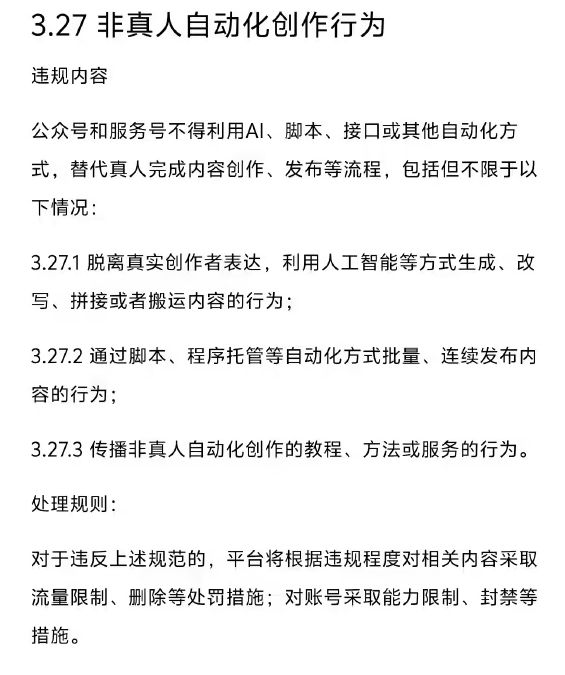
WeChat's official account platform has launched a crackdown on AI-generated articles, deleting content flagged as 'non-human automated creation.' The new rules target mass-produced, emotionless posts while protecting genuine creator voices. Violations could lead to traffic restrictions or account bans, signaling WeChat's commitment to maintaining authentic engagement in its content ecosystem.

April 9, 2026
WeChat policycontent authenticityAI regulation
News

China Sounds Alarm as Token Usage Soars to 140 Trillion Daily

China's Ministry of State Security warns of growing security risks as AI token usage skyrockets to 140 trillion transactions daily. These digital units, now officially recognized by the National Data Administration, face threats from identity theft to financial scams. Officials urge users to adopt stronger protections as criminals exploit vulnerabilities in this booming sector.

April 7, 2026
digital securityAI regulationcybercrime
News

OpenAI's Stealth Funding of Child Safety Group Raises Eyebrows

A new child safety alliance pushing for AI regulations has come under scrutiny after revelations that OpenAI secretly bankrolled the effort. Several organizations joined what they thought was an independent coalition, only to discover the tech giant's involvement later. Critics argue this lack of transparency could undermine trust in the policy process as states consider new AI laws affecting children.

April 3, 2026
OpenAIAI regulationchild safety
China's Broadcast Industry Cracks Down on AI-Generated Celebrity Impersonations
News

China's Broadcast Industry Cracks Down on AI-Generated Celebrity Impersonations

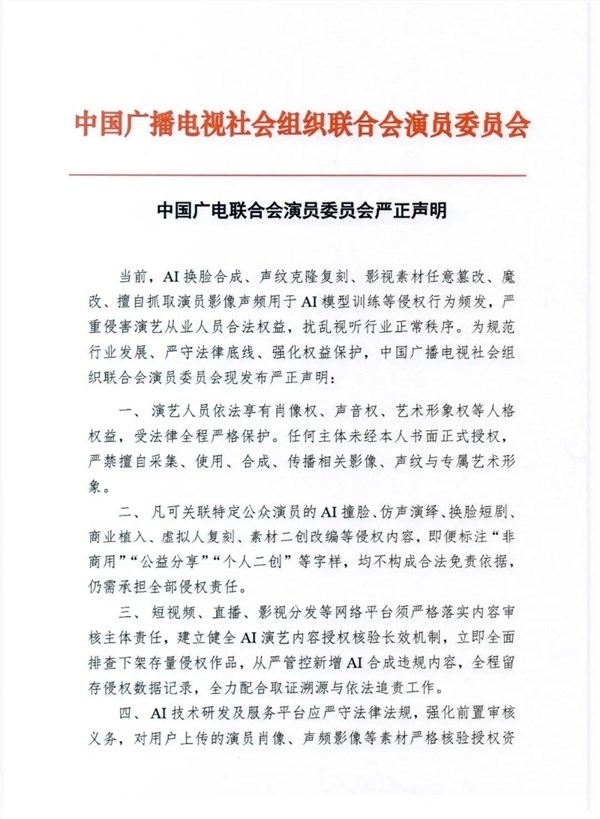
China's entertainment industry is taking a stand against unauthorized AI impersonations of actors. The China Radio and Television Association has issued strict new rules banning face-swapping and voice cloning without explicit permission. Platforms must now verify content authenticity, while the association pledges to monitor and remove infringing material. This move highlights growing concerns about digital identity protection in the age of advanced AI technologies.

April 3, 2026
AI regulationdigital rightsentertainment industry