Xiaohongshu Tightens Rules on AI Content: Label or Lose Visibility

Xiaohongshu Takes Stand Against Unlabeled AI Content

In a bold move that could reshape content creation norms, Xiaohongshu (Little Red Book) has rolled out stringent new rules requiring clear labeling of AI-generated material. The platform's latest update puts creators on notice: fail to disclose artificial content, and your posts may vanish from users' feeds.

What's Changing?

The heart of the update focuses on transparency:

Automatic Detection Systems now scan uploads for telltale signs of AI generation. When the system flags suspicious content, it applies warning labels automatically - whether creators cooperate or not.

Visibility Penalties hit hardest. Posts identified as AI-generated but lacking proper disclosure will see their reach slashed dramatically. Repeat offenders might find their accounts shadowbanned entirely.

Platform representatives explained the reasoning bluntly: "Users deserve to know when they're viewing artificial content rather than authentic human creation."

Targeting the Dark Side of AI Creativity

The policy shift coincides with China's nationwide "Clear and Bright 2026" campaign targeting online misconduct during Lunar New Year celebrations. Authorities specifically called out three problematic trends:

  • Fabricated Crises: AI-generated false alarms about disasters or emergencies
  • Cultural Vandalism: Digitally altered versions of classic artworks and animations
  • Social Division: Algorithmically amplified conflicts between regions or demographic groups

"We're seeing everything from fake celebrity endorsements to doctored historical images," noted one Xiaohongshu moderator who requested anonymity. "The technology outpaced our old safeguards."

Industry Reactions Mixed

The creative community appears divided. Some influencers welcome clearer guidelines after viral deepfakes damaged reputations last year. Others fret about overreach potentially stifling legitimate artistic experimentation.

"Transparency shouldn't mean creativity gets handcuffed," argued digital artist Lin Wei, whose surreal AI-assisted illustrations gained fame on the platform. "But I understand why they're doing this - my followers deserve to know what's real."

The policy extends beyond individual creators to black-market operations selling "AI disguise" services that help bypass detection algorithms. Platform security teams now actively hunt these underground services.

Key Points:

  • Mandatory labeling: All AI-generated content must carry clear disclosures
  • Automated enforcement: Detection systems flag suspicious posts automatically
  • Visibility penalties: Unlabeled content faces severe distribution limits
  • Black market crackdown: Services helping evade detection face bans
  • Cultural protection: Altered classics and historical images draw special scrutiny
Enjoyed this article?

Subscribe to our newsletter for the latest AI news, product reviews, and project recommendations delivered to your inbox weekly.

Weekly digestFree foreverUnsubscribe anytime

Related Articles

News

OpenAI's Stealth Funding of Child Safety Group Raises Eyebrows

A new children's safety alliance pushing for AI regulations has come under scrutiny after revelations that OpenAI secretly bankrolled the effort. Several organizations joined what they thought was an independent coalition, only to discover the ChatGPT maker's involvement later. Critics question whether this covert approach undermines trust in the tech giant's commitment to child safety.

April 3, 2026
OpenAIAI regulationchild safety
China's Broadcast Industry Cracks Down on AI-Generated Celebrity Impersonations
News

China's Broadcast Industry Cracks Down on AI-Generated Celebrity Impersonations

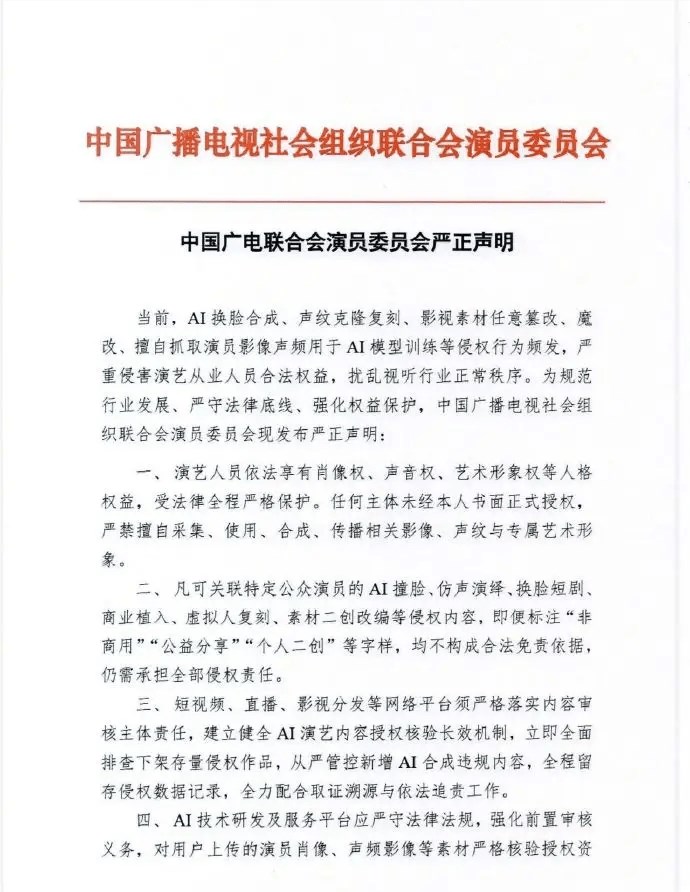
China's entertainment industry is taking a stand against unauthorized AI impersonations of actors. The China Radio and Television Association has issued strict new rules banning face-swapping and voice cloning without explicit permission. Platforms must now verify content authenticity, while the association pledges to monitor and remove infringing material. This move highlights growing concerns about digital identity protection in the age of advanced AI technologies.

April 3, 2026
AI regulationdigital rightsentertainment industry
News

WeChat Cracks Down on AI-Altered Videos, Removes 3,800 Clips

WeChat has intensified its crackdown on AI-modified videos that distort classic works and historical figures. The platform removed 3,800 violating clips and banned one account after finding content that twisted TV dramas, animated characters, and historical narratives. This move follows national guidelines to protect minors and maintain online order. WeChat urges creators to exercise self-discipline as it enhances its content moderation capabilities.

April 2, 2026
content moderationAI ethicsdigital safety
China's Entertainment Industry Cracks Down on Unauthorized AI Manipulation of Performers
News

China's Entertainment Industry Cracks Down on Unauthorized AI Manipulation of Performers

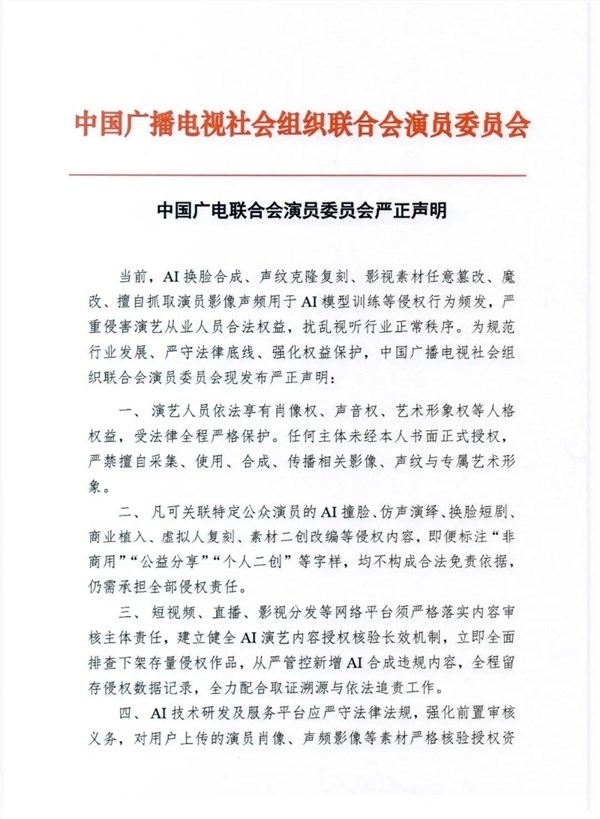
China's entertainment industry is taking a stand against the growing misuse of AI technology. The Actors Committee has issued a firm statement banning unauthorized face-swapping, voice cloning, and other digital manipulations of performers' likenesses. This comes as voice actors and celebrities increasingly find their digital identities being hijacked by cheap AI tools. The new guidelines clarify legal responsibilities and require platforms to implement better content verification systems.

April 2, 2026
AI regulationentertainment industrydigital rights
Experts Sound Alarm as AI Videos Flood Kids' YouTube
News

Experts Sound Alarm as AI Videos Flood Kids' YouTube

More than 200 child development experts have united to challenge YouTube over its recommendation of AI-generated content to young viewers. Their open letter compares the platform's current approach to an 'uncontrolled experiment' that could harm children's cognitive development. While YouTube defends its labeling policies, critics argue these measures fail to protect pre-literate toddlers from what they call 'digital landfills' of low-quality content.

April 2, 2026
child developmentAI regulationdigital parenting
China Sets New Standards for AI-Generated Official Documents
News

China Sets New Standards for AI-Generated Official Documents

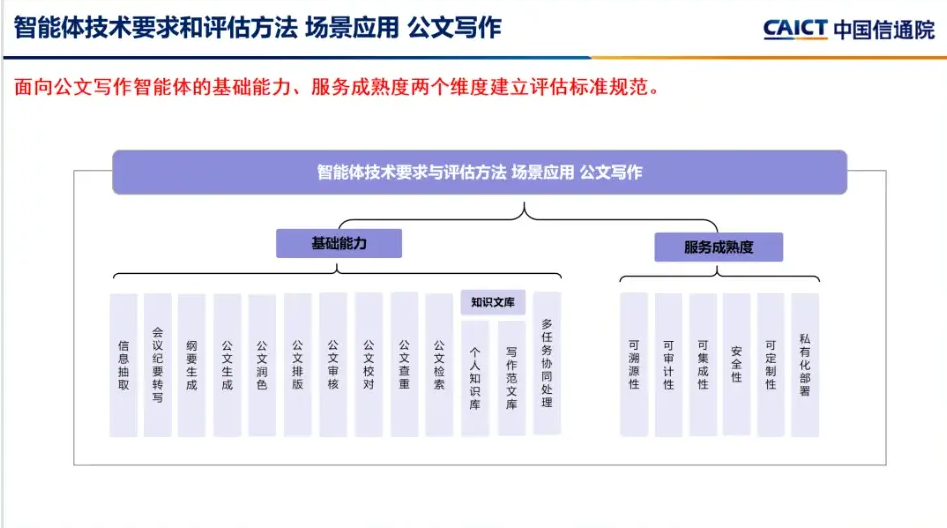
As AI writing tools flood government offices, China's tech authority steps in to ensure quality. The China Academy of Information and Communications Technology has launched the first national evaluation system for AI document writing. This initiative brings together tech leaders like iFLYTEK to create standards covering everything from meeting minutes to final approvals. The first ratings will help organizations cut through marketing hype when choosing these increasingly essential tools.

March 31, 2026
AI regulationgovernment technologydocument automation