Google's AI Crackdown Leaves Email Automation Users in the Cold

Google Draws Hard Line on AI Email Automation

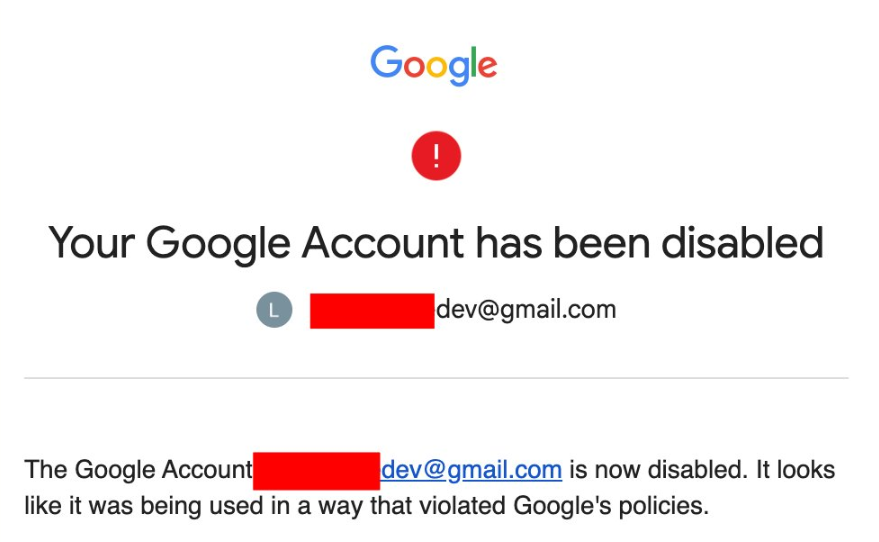
What started as a convenient way to manage overflowing inboxes has turned into a digital nightmare for some Gmail users. Google's recent enforcement actions against AI-powered email tools have resulted in complete account terminations - a drastic step that's left many scrambling to recover years of personal and professional data.
Image

The Heavy Price of Automation

Unlike previous restrictions that limited specific features, these latest penalties hit with sledgehammer force. "It wasn't just my email that disappeared," shared one affected user who'd maintained their account since 2014. "My entire digital life - family photos, work documents, even my Google Play purchases - all gone in an instant."

The common thread? These users had authorized third-party AI services like OpenClaw to access their accounts. These tools promise to revolutionize email management by automatically sorting messages, drafting replies, and even negotiating with senders - but their machine-like behavior appears to have triggered Google's security alarms.

Why the Hammer Fell

Security analysts point to two primary triggers for the bans:

  1. Unnatural Activity Patterns: AI agents work differently than humans - they perform rapid-fire operations at all hours without breaks. To Google's systems, this looks suspiciously like bot activity or account hacking attempts.

  2. Subscription Workarounds: Some users reportedly tried sharing paid service tokens among multiple accounts, essentially getting premium features without paying. This blatant policy violation left Google little choice but to act.

"These aren't accidental violations," explains cybersecurity expert Dr. Elena Martinez. "When you combine automated behavior that mimics hacking attempts with deliberate attempts to circumvent payment systems, you're essentially waving a red flag at one of the world's most sophisticated security teams."

Damage Control and Prevention

The OpenClaw development team confirms they're working on a "compatibility mode" to make their tool less detectable by security systems. But until solutions emerge, experts recommend immediate precautions:

  • Stop connecting automation tools to primary accounts immediately
  • Create separate accounts specifically for testing AI services
  • Implement regular local backups of critical cloud data
  • Review all third-party app permissions in your Google account settings

The situation serves as a stark reminder that while AI promises convenience, relying too heavily on automation tools comes with real risks - especially when they interact with services containing irreplaceable personal data.

Key Points:

  • Total Account Wipeouts: Google is banning entire accounts, not just restricting features
  • Two Strike System: Both automated behavior and payment evasion trigger penalties
  • Data Recovery Unlikely: Permanent bans offer little recourse for recovering lost files
  • Protect Yourself Now: Experts urge immediate changes to prevent catastrophic data loss
Enjoyed this article?

Subscribe to our newsletter for the latest AI news, product reviews, and project recommendations delivered to your inbox weekly.

Weekly digestFree foreverUnsubscribe anytime

Related Articles

News

Google's AI Crackdown: Developers Face Bans for Using Open-Source Tools

Google has sparked controversy by banning developers who use open-source AI tools like OpenClaw on its Antigravity platform. The tech giant appears to be tightening control over its AI ecosystem, leaving many developers frustrated and questioning the move's impact on innovation. While Google cites intellectual property concerns, critics argue this could stifle competition in the rapidly evolving AI landscape.

February 25, 2026
GoogleAI DevelopmentOpen Source
Microsoft Sounds Alarm on OpenClaw AI Security Risks
News

Microsoft Sounds Alarm on OpenClaw AI Security Risks

Microsoft warns enterprises against deploying its OpenClaw AI assistant on standard workstations due to serious security vulnerabilities. The autonomous agent's high-privilege access makes it susceptible to indirect prompt injections and skill-based malware attacks. Recent findings reveal over 42,000 exposed control panels globally, prompting Microsoft to recommend strict isolation protocols.

February 24, 2026
AI SecurityMicrosoftEnterprise Technology
News

Google Offers Free AI Training to Millions of Teachers Nationwide

Google is making a major push into education by offering free Gemini AI training to 6 million U.S. teachers. Partnering with ISTE and ASCD, the tech giant aims to help educators integrate AI tools like NotebookLM into classrooms. This initiative could shape how millions of students learn about and use artificial intelligence in their studies.

February 24, 2026
AI EducationGoogleTeacher Training
Google Gemini Hit by Massive AI Model Hack Attempt
News

Google Gemini Hit by Massive AI Model Hack Attempt

Google revealed its Gemini AI chatbot suffered a sophisticated attack where hackers bombarded it with over 100,000 prompts to extract its core algorithms. Security experts warn this 'model distillation' technique could become widespread, threatening corporate AI secrets. The incident highlights growing vulnerabilities as businesses increasingly rely on customized AI systems.

February 15, 2026
AI SecurityGoogle GeminiCyber Threats
OpenAI Bolsters ChatGPT Security Against Sneaky Prompt Attacks
News

OpenAI Bolsters ChatGPT Security Against Sneaky Prompt Attacks

OpenAI has rolled out two new security features for ChatGPT to combat prompt injection attacks that could trick the AI into harmful actions. The first introduces Lockdown Mode, restricting risky external interactions for enterprise users. The second labels high-risk functions with clear warnings. These additions build on existing protections while giving users more control over security trade-offs.

February 14, 2026
AI SecurityChatGPT UpdatesPrompt Injection
News

Claude Plugins Expose Critical Security Flaw Through Calendar Invites

A newly discovered vulnerability in Claude's desktop extensions allows hackers to execute malicious code remotely through seemingly innocent Google Calendar invites. Security researchers warn this 'zero-click' attack could have devastating consequences, scoring a perfect 10/10 on the CVSS risk scale. While Anthropic shifts responsibility to users, experts argue the plugin system fails basic security expectations.

February 11, 2026
AI SecurityClaude VulnerabilitiesZero-Click Attacks