Critical Flaw in AI Protocol Leaves 200,000 Servers Vulnerable

AI Security Crisis: 200,000 Servers at Risk from Protocol Flaw
Image

The AI development community is sounding alarms after cybersecurity firm OX Security exposed critical vulnerabilities in Anthropic's Model Context Protocol (MCP). This widely adopted standard, designed to connect AI models with external tools, contains what experts call "a ticking time bomb" in its architecture.

The Heart of the Problem

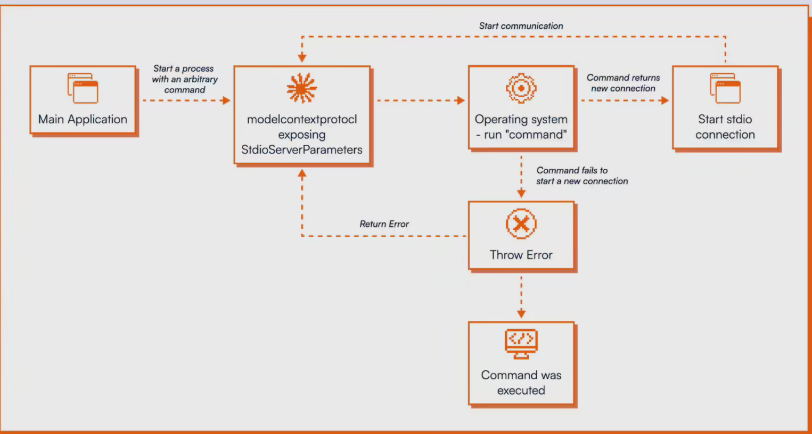
At fault is MCP's STDIO interface, which blindly executes any incoming operating system commands - even when server startup fails. "This isn't just a coding error," explains OX Security lead researcher Daniel Chen. "It's like building a house where every window automatically unlocks when the front door jams."

The flaw affects all 11 programming languages officially supported by MCP, from Python to Rust. Chen's team spent months testing real-world attack scenarios with frightening results:

  • LangFlow systems could be hijacked without login credentials
  • Letta AI servers fell prey to man-in-the-middle attacks
  • Flowise's security filters proved easily bypassed
  • Windsurf IDE users risked infection just by visiting malicious sites

Industry Response Falls Short

When notified last January, Anthropic surprisingly dismissed the issue as "expected behavior." Their only action? Updating documentation to suggest "caution" when using the STDIO adapter. Meanwhile, tests showed 9 of 11 major MCP marketplaces accepted malicious servers without review - only GitHub's registry caught the threat.

"We're seeing the equivalent of leaving master keys under doormats," Chen warns. "Except these keys work on hundreds of thousands of digital doors worldwide."

What This Means for Developers

With no architectural fix forthcoming, experts urge immediate precautions:

  1. Audit all MCP implementations
  2. Isolate MCP-dependent services
  3. Monitor for unusual command activity

The cybersecurity community has assigned the vulnerability a CVE number, but the ball remains in Anthropic's court for a permanent solution.

Key Points

  • 200,000+ servers vulnerable to remote attacks
  • All 11 supported languages affected
  • No architectural fix from Anthropic since January
  • 9 of 11 marketplaces fail basic security checks
  • Researchers confirm real-world exploitability

Enjoyed this article?

Subscribe to our newsletter for the latest AI news, product reviews, and project recommendations delivered to your inbox weekly.

Weekly digestFree foreverUnsubscribe anytime

Related Articles

Anthropic's Secretive Project Glasswing: What Vulnerabilities Did It Really Find?
News

Anthropic's Secretive Project Glasswing: What Vulnerabilities Did It Really Find?

Anthropic's ambitious Project Glasswing enlisted tech giants like Amazon and Google to test its AI model for security flaws. But months after launch, the project's actual discoveries remain shrouded in mystery. While researchers found 40 potential vulnerabilities, only one has been definitively linked to Glasswing. As we await Anthropic's July report, questions linger about what this powerful AI model can truly detect - and whether companies are acting fast enough on its findings.

April 16, 2026
AI SecurityAnthropicCybersecurity
Critical Flaw in NewAPI Lets Hackers Top Up Accounts for Free
News

Critical Flaw in NewAPI Lets Hackers Top Up Accounts for Free

A serious security hole has been uncovered in the popular NewAPI system, allowing attackers to manipulate payment processes when Stripe keys aren't properly set up. The vulnerability, which could let bad actors inflate their account balances without paying, has prompted urgent updates from developers. While exploit details aren't fully public yet, security experts warn this could hit many self-hosted AI services that haven't configured their payment systems correctly.

April 16, 2026
CybersecurityAI Payment SystemsAPI Vulnerabilities
News

Microsoft Edge Tightens AI Security with New Management Tools

Microsoft is rolling out major updates to its Edge browser for businesses, focusing on controlling AI tool usage to prevent data leaks. The new features let IT teams block unauthorized AI platforms like ChatGPT and Google Gemini, while guiding employees to Microsoft's approved Copilot service. This move addresses growing concerns about 'shadow AI' - employees using unvetted AI tools that could expose sensitive company information.

April 16, 2026
Microsoft EdgeAI SecurityEnterprise Technology
News

Claude's New ID Check: What It Means for AI Users

Anthropic has introduced identity verification for certain Claude features, requiring users to submit government IDs and real-time selfies. The company partnered with Persona Identities for the process, promising data won't be used for training or marketing. While aimed at responsible AI use, the move has sparked debate about privacy and accessibility in the AI community.

April 15, 2026
AI regulationdigital identityAnthropic
Claude Code Brings Cloud Automation to Your Mac
News

Claude Code Brings Cloud Automation to Your Mac

Anthropic's Claude Code just got a serious upgrade with its new 'Routines' feature, letting developers automate tasks that keep running even when your Mac sleeps. The cloud-based automation handles cron jobs and workflows, with different daily limits for Pro, Max, and Enterprise users. Plus, the redesigned Mac client now supports parallel sessions and integrated tools, transforming Claude from coding assistant to full workflow platform.

April 15, 2026
Anthropicdeveloper-toolsworkflow-automation
News

OpenAI Issues Urgent macOS Update After Third-Party Library Hack

OpenAI has confirmed its applications were compromised in a supply chain attack targeting the popular Axios library. While no data breaches occurred, macOS users should immediately update their ChatGPT apps. The attack, originating from hijacked npm developer accounts, shows how even trusted software components can become security risks.

April 15, 2026
OpenAICybersecuritySupplyChainAttack