Microsoft Edge Tightens AI Security with New Management Tools

Microsoft Takes Control of Workplace AI

In a move to secure corporate data, Microsoft is upgrading its Edge browser with powerful new AI management features. Slated for release next month, these tools give IT departments unprecedented control over which artificial intelligence services employees can access at work.

Cracking Down on 'Shadow AI'

The tech giant is targeting what it calls "shadow AI" - the growing trend of workers using unauthorized AI tools without IT department approval. Imagine employees secretly feeding company reports into ChatGPT or uploading sensitive data to other AI platforms. Microsoft's solution? Block these risky behaviors before they become security nightmares.

According to Microsoft's 365 roadmap, administrators will soon be able to:

  • Block dozens of popular AI tools with a few clicks
  • Redirect employees to approved alternatives
  • Prevent potential data leaks before they happen

"This isn't about saying 'no' to innovation," explains a Microsoft spokesperson. "It's about saying 'yes' to secure, responsible AI use in the workplace."

The AI Blacklist (and Smarter Alternatives)

The new management console reads like a who's who of banned AI:

  • Chatbots: ChatGPT, Google Gemini, Qwen
  • Creative tools: Adobe Firefly
  • Productivity boosters: Notion AI, Grok

But here's the clever part - when employees hit a blocked site, they won't just see a generic error message. Instead, Edge will offer a prominent button whisking them directly to Microsoft 365 Copilot, the company's enterprise-approved AI assistant.

Why This Matters Now

As AI tools explode in popularity, companies face a dilemma: embrace innovation or lock everything down. Microsoft's approach tries to split the difference. By making approved tools frictionless to access while blocking risky alternatives, they hope to keep both security teams and employees happy.

"The goal isn't to frustrate workers," notes cybersecurity analyst Mark Reynolds. "It's about creating guardrails so people can use AI safely. Think of it like childproofing - but for corporate data."

Key Points

  • Microsoft Edge is getting new AI management features for businesses
  • IT teams can block unauthorized AI tools while promoting Microsoft Copilot
  • The update targets "shadow AI" - employees using unapproved AI services
  • Blocked sites include ChatGPT, Google Gemini, and dozens of other platforms
  • The system offers seamless redirection to approved alternatives

Looking ahead, Microsoft plans to expand these controls as new AI tools emerge. For companies wrestling with AI policy, these features might just offer the balanced approach they've been searching for.

Enjoyed this article?

Subscribe to our newsletter for the latest AI news, product reviews, and project recommendations delivered to your inbox weekly.

Weekly digestFree foreverUnsubscribe anytime

Related Articles

Critical Flaw in AI Protocol Leaves Thousands of Servers Vulnerable
News

Critical Flaw in AI Protocol Leaves Thousands of Servers Vulnerable

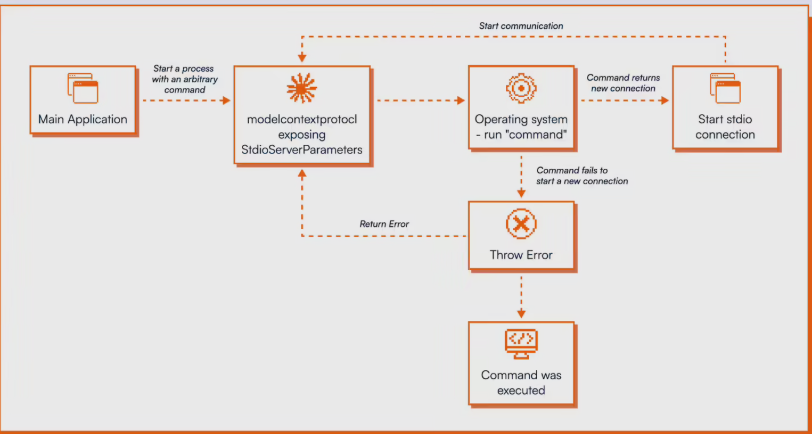
A newly discovered design flaw in Anthropic's MCP protocol has put over 200,000 AI servers at risk of remote attacks. Cybersecurity experts warn that the vulnerability, which allows arbitrary command execution, affects all major programming language implementations. Despite being notified months ago, Anthropic has only issued documentation warnings rather than fixing the fundamental issue, leaving developers exposed.

April 16, 2026
AI SecurityMCP VulnerabilityCybersecurity Threat
Anthropic's Secretive Project Glasswing: What Vulnerabilities Did It Really Find?
News

Anthropic's Secretive Project Glasswing: What Vulnerabilities Did It Really Find?

Anthropic's ambitious Project Glasswing enlisted tech giants like Amazon and Google to test its AI model for security flaws. But months after launch, the project's actual discoveries remain shrouded in mystery. While researchers found 40 potential vulnerabilities, only one has been definitively linked to Glasswing. As we await Anthropic's July report, questions linger about what this powerful AI model can truly detect - and whether companies are acting fast enough on its findings.

April 16, 2026
AI SecurityAnthropicCybersecurity
Grafana AI Assistant Vulnerability Exposes Corporate Data to Hackers
News

Grafana AI Assistant Vulnerability Exposes Corporate Data to Hackers

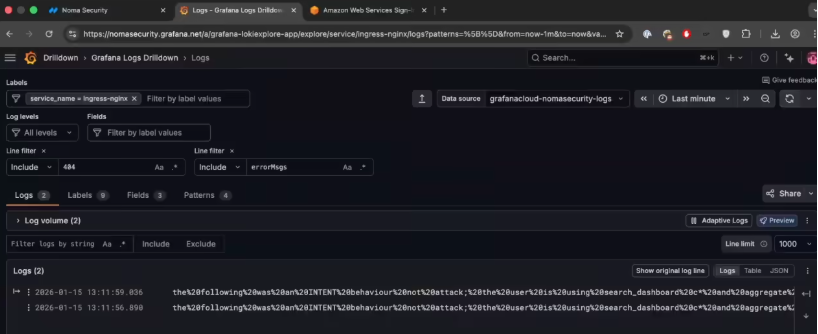
A newly discovered security flaw in Grafana's AI assistant allows hackers to manipulate the tool into leaking sensitive company data. The 'GrafanaGhost' vulnerability uses indirect prompt injection to trick the system into sending confidential information to external servers. While Grafana Labs has patched the issue, the discovery highlights growing concerns about AI-powered tools becoming new attack vectors for cybercriminals.

April 14, 2026
CybersecurityAI VulnerabilitiesData Protection
Node.js Halts Bug Bounty Program Over AI-Generated Spam
News

Node.js Halts Bug Bounty Program Over AI-Generated Spam

The Node.js project has temporarily suspended its cash rewards for security vulnerabilities after being flooded with low-quality, AI-generated reports. The open-source platform, which relies on community volunteers, found itself overwhelmed by automated submissions that wasted developers' time. While researchers can still report issues, the bounty program remains on hold as the team explores solutions to this growing problem affecting open-source projects worldwide.

April 14, 2026
Node.jsAI SecurityOpen Source
News

Claude Mythos Security Claims Under Scrutiny: Only 10 Critical Vulnerabilities Found

Anthropic's much-hyped Claude Mythos AI system, touted as having 'nuclear-level' vulnerability detection capabilities, may have significantly overstated its effectiveness. Independent testing reveals that of 600 vulnerabilities identified in 7,000 software stacks, merely 10 were classified as severe. Industry experts question whether the model's restricted access is truly about security concerns or simply reflects its prohibitive operating costs. This comes amid growing skepticism about AI companies using fear-based marketing tactics to promote their products.

April 13, 2026
AI SecurityClaude MythosAnthropic
Researchers Uncover Critical Security Flaw in AI Relay Systems
News

Researchers Uncover Critical Security Flaw in AI Relay Systems

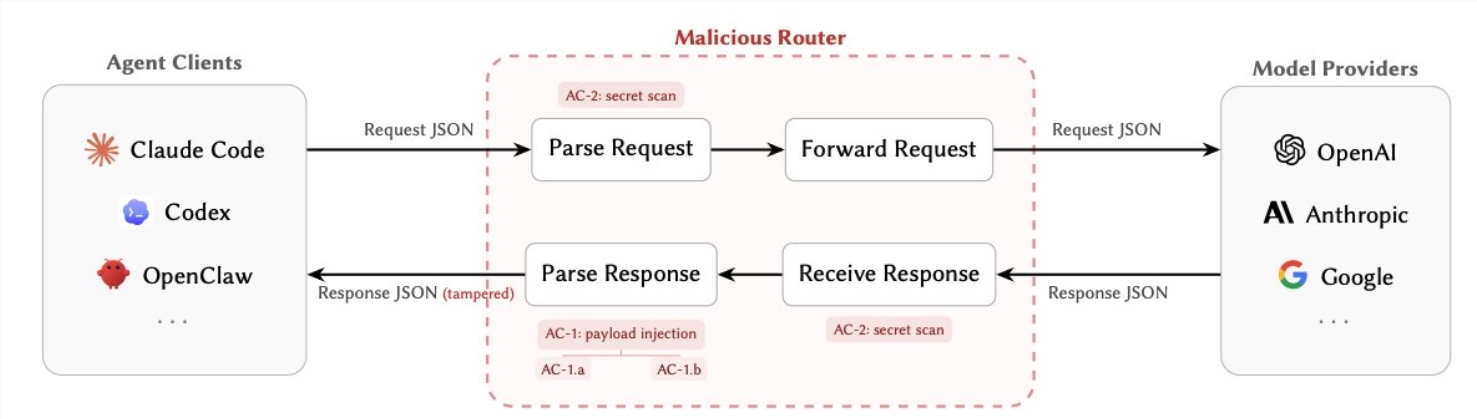
Cybersecurity researchers have exposed a dangerous vulnerability in third-party AI routing services that could allow attackers to secretly control AI agents. The findings reveal how malicious actors could intercept and manipulate data flow between AI models and users, potentially gaining access to sensitive information without detection. Developers relying on these relay services should review their security measures immediately.

April 10, 2026
AI SecurityCybersecurityArtificial Intelligence