Google Bets Big on Custom AI Chips in Partnership With Marvell

Google and Marvell Join Forces in AI Chip Race

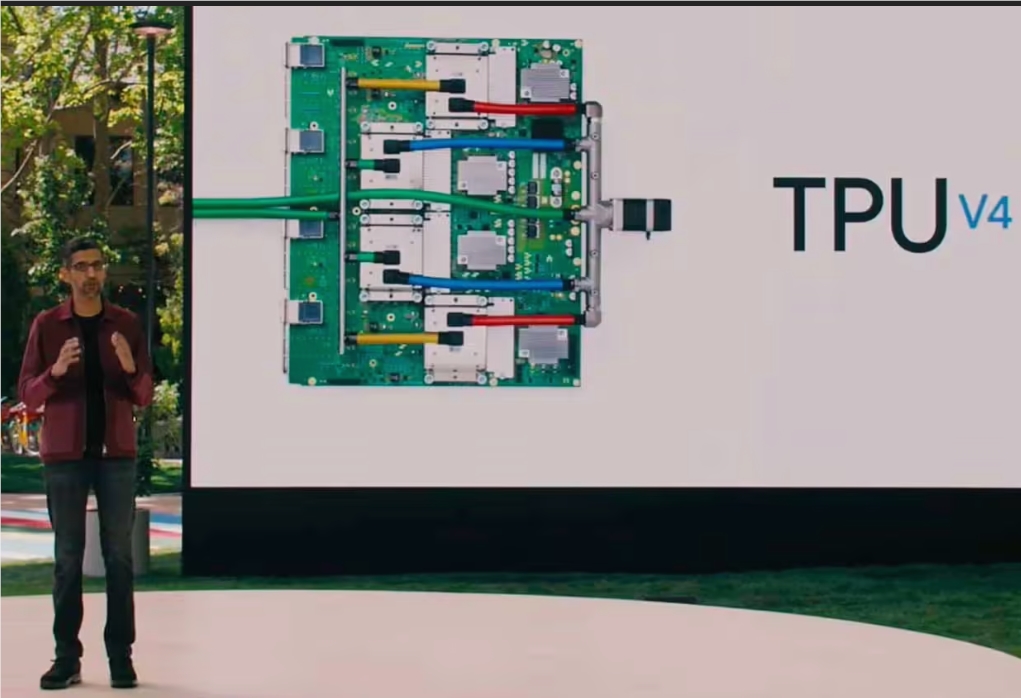
The battle for AI supremacy is heating up in Silicon Valley's semiconductor labs. Google parent Alphabet is now in advanced talks with chip designer Marvell Technology to co-develop two custom artificial intelligence processors, according to industry insiders. This partnership marks Google's latest attempt to lessen its reliance on Nvidia's hardware while strengthening its cloud computing infrastructure.
Image

A Power Couple: TPUs Get a Memory Boost

At the heart of this collaboration are two specialized chips with distinct roles:

  • Memory Processing Unit (MPU): Designed to work hand-in-glove with Google's tensor processing units (TPUs), this chip focuses on solving one of AI's biggest headaches - the data transfer bottleneck that slows down massive model training. By optimizing how information flows between memory and processors, the MPU could dramatically speed up AI workloads.

  • Next-Gen TPU: The partners are also cooking up an upgraded version of Google's signature AI accelerator, fine-tuned specifically for cutting-edge AI models. While details remain under wraps, this could give Google Cloud customers a compelling alternative to Nvidia's offerings.

Breaking Free From Nvidia's Grip

For years, Nvidia's GPUs have been the undisputed kings of AI computation. But their dominance comes with strings attached - namely high costs and potential supply chain vulnerabilities. Google's push for homegrown alternatives isn't just about technology; it's a strategic chess move in the cloud wars.

"When you're processing the amounts of data that Google handles, even small improvements in efficiency translate to massive savings," says semiconductor analyst Priya Gupta. "Developing their own silicon lets them tailor solutions to their exact needs while avoiding vendor lock-in."

If all goes according to plan, the MPU could be ready for trial production by next year. The timeline for the new TPU remains less certain, but industry watchers suggest Google wants both chips online before 2027.

What This Means for the AI Ecosystem

Google's chip ambitions could reshape the competitive landscape in several ways:

  1. Cloud Competition: More powerful, efficient TPUs could give Google Cloud an edge against AWS and Azure
  2. AI Innovation: Better hardware enables more ambitious AI models and applications
  3. Market Dynamics: Successful in-house chips might inspire other tech giants to follow suit

While Nvidia isn't going anywhere soon, the playing field is definitely getting more crowded. As Gupta puts it: "The AI chip gold rush has only just begun."

Key Points

  • Google and Marvell are co-developing two custom AI chips: an MPU and next-gen TPU
  • The MPU aims to solve data transfer bottlenecks in large-scale AI training
  • First chips could enter production as early as 2027
  • Move strengthens Google's position in cloud computing while reducing Nvidia dependence
  • Could accelerate AI innovation by providing more specialized hardware

Enjoyed this article?

Subscribe to our newsletter for the latest AI news, product reviews, and project recommendations delivered to your inbox weekly.

Weekly digestFree foreverUnsubscribe anytime

Related Articles

News

OpenAI Bets Big on Cerebras with $2B Chip Deal and Potential Stake

In a major power move, OpenAI is investing over $20 billion in Cerebras Systems for AI chip technology, with the potential to acquire up to 10% equity. The deal expands their existing partnership and could total $30 billion when including data center development funding. This strategic play comes as Cerebras prepares for a possible IPO later this year, highlighting the intensifying race for AI computing power.

April 17, 2026
OpenAICerebrasAI Chips
OpenAI Shake-Up: Three Top Executives Exit Amid Strategic Shifts
News

OpenAI Shake-Up: Three Top Executives Exit Amid Strategic Shifts

OpenAI faces a leadership crisis as three senior executives resigned simultaneously. Kevin Werth, Bill Pibbels, and Srinivas Narayanan - all key figures in the company's scientific research and product development - announced their departures on April 19. The shake-up comes as OpenAI discontinues its Sora video tool amid high operating costs and decentralizes its research department. Industry watchers see this as part of broader challenges facing the AI pioneer in a rapidly evolving market.

April 20, 2026
Artificial IntelligenceCorporate RestructuringExecutive Changes
AI Breakthrough: New Architecture Supercharges Language Models Across Data Centers
News

AI Breakthrough: New Architecture Supercharges Language Models Across Data Centers

Moonshot AI and Tsinghua University researchers have developed a clever solution to a growing problem in AI infrastructure. Their Pre-filling as a Service (PrfaaS) architecture tackles the computational bottlenecks plaguing large language models by splitting the workload across specialized data centers. Early tests show impressive results - think 54% faster processing and significantly reduced latency. This innovation couldn't come at a better time as AI systems increasingly strain against current technological limits.

April 20, 2026
AI InfrastructureMoonshot AILarge Language Models
News

Anthropic's Financial Leap: From Red Ink to Trillion-Dollar Dreams

Anthropic, the AI powerhouse behind Claude Code and Cowork, has turned its financial fortunes around dramatically. In just months, annual revenue ballooned to $30 billion while gross margins flipped from -94% to a healthy 40%. With whispers of a trillion-dollar valuation and investors lining up, the company appears poised to challenge OpenAI's dominance in the AI race. But will this explosive growth sustain?

April 20, 2026
Artificial IntelligenceTech FinanceStartup Growth
News

China's AI Boom: Daily Token Usage Hits 140 Trillion

China's AI industry has reached a staggering milestone, processing over 140 trillion tokens daily - a 40% jump since last year. Tech giants like Tencent and Alibaba are doubling down on investments while Tesla expands its robotics production. Meanwhile, policy support is fueling AI applications in healthcare and beyond, even as rising computing costs reshape the industry landscape.

April 20, 2026
Artificial IntelligenceTech IndustryAI Policy
News

Singapore Urges Banks to Bolster Cyber Defenses Amid Rising AI Threats

Singapore's financial watchdog is sounding the alarm as concerns grow about potential cybersecurity risks posed by advanced AI systems. The Monetary Authority of Singapore (MAS) has teamed up with cybersecurity agencies to help banks strengthen their digital defenses. This comes as AI developer Anthropic warns about risks from its new Mythos model. Financial institutions are being advised to ramp up security training and forge stronger partnerships with tech firms to safeguard Asia's banking hub against evolving digital threats.

April 20, 2026
CybersecurityArtificial IntelligenceBanking Regulation