China's Entertainment Industry Cracks Down on Unauthorized AI Manipulation of Performers
China Draws the Line on AI Manipulation of Performers
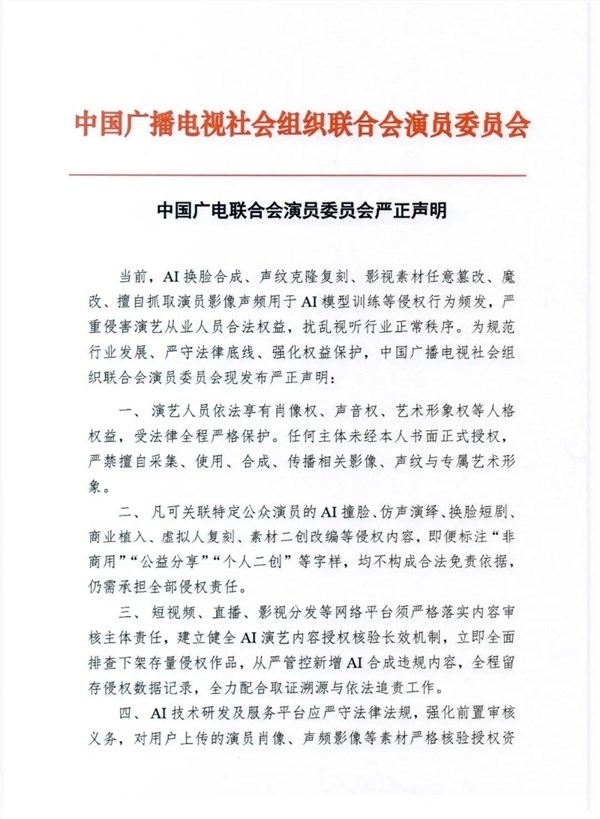
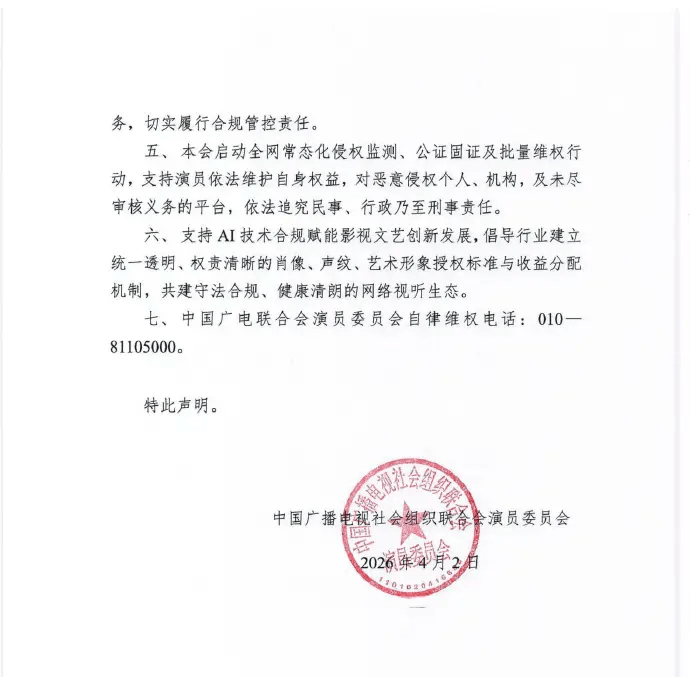
The Chinese entertainment industry is fighting back against the unauthorized use of AI to manipulate performers' images and voices. On April 2, the Actors Committee of the China Radio and Television Organizations Association issued a strong statement targeting seven specific types of prohibited behavior involving AI technology.
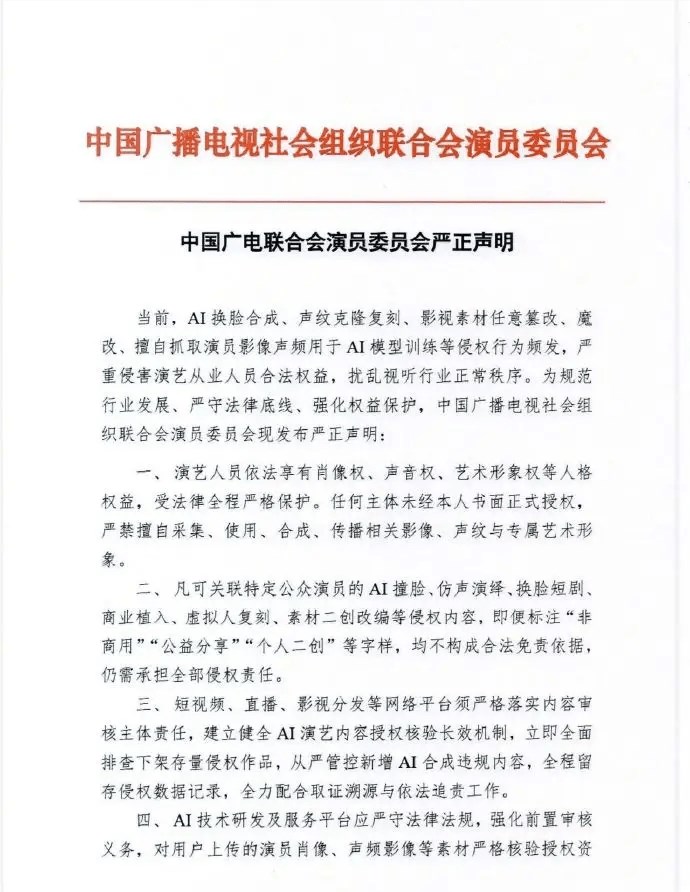
What's Being Banned?
The comprehensive guidelines cover everything from tampering with film footage to using actors' likenesses for AI model training without permission. Even projects labeled as "non-commercial" or "fan creations" won't be exempt - if they use someone's face or voice without consent, they'll still face legal consequences.
"This marks a shift from individual artists protecting their rights to an industry-wide effort," explains media law expert Dr. Li Wen. "When technology moves fast, the rules need to keep pace."
Why Now?
The timing isn't random. Since mid-March, nearly 100 top voice actors have spoken out against AI tools that can clone voices for less than $15. Prominent performers like Gu Jiangshan and Zhao Shuang described finding their voices used in unauthorized projects after just minutes of original recordings were fed into AI systems.
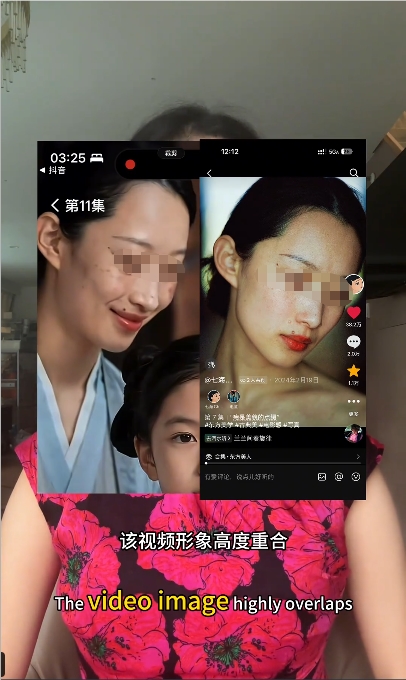
Recent court cases have started setting boundaries too. The Beijing Internet Court recently ruled on what's believed to be China's first AI voice infringement case, along with a separate dispute involving celebrity face-swapping in short videos.
What Changes?
The new rules put more responsibility on platforms and tech providers. They'll need to:
- Verify content ownership before hosting material
- Create faster ways to handle complaints
- Remove unauthorized content promptly
"It's not about stopping innovation," says committee spokesperson Wang Mei. "It's about making sure technology respects people's rights."
Key Points:
- 7 banned behaviors covering all stages of AI manipulation
- No exceptions for non-commercial or "fan" projects
- Platforms accountable for verification and quick takedowns
- Voice actors leading charge against cheap cloning tools
- Courts already ruling on early test cases