Model's Face Stolen by AI in Controversial Drama

Model Takes Legal Action Over Unauthorized AI Face-Swap
Image

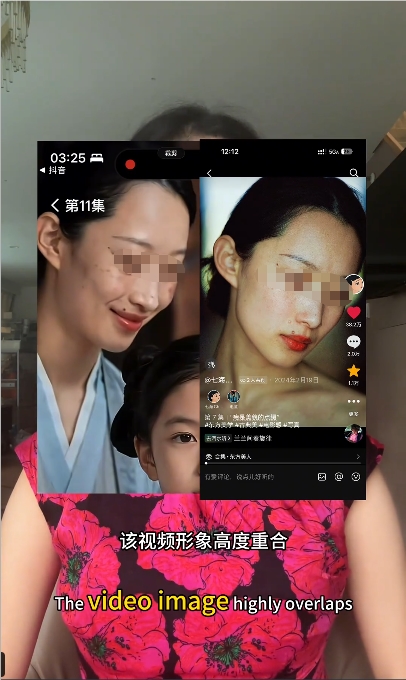
Fashion industry professionals were stunned this week when model Qihai Christ revealed her face had been digitally grafted onto a villain character in the streaming drama 'Peach Hairpin' - without her knowledge or permission. The controversial use of AI deepfake technology has ignited debates about digital rights in the entertainment industry.

Stolen Likeness, Damaged Reputation

The model discovered her altered appearance in episodes 11-13 of the popular series, where her facial features had been superimposed on an abusive antagonist. "This isn't just about using my image," Christ explained in an emotional statement. "They've tied my professional identity to violent behavior that could scare away brands and agencies."

Legal experts confirm the production violated multiple rights. "Digital identity theft through AI tools creates complex new legal challenges," notes intellectual property attorney Mark Chen. "But existing laws clearly protect individuals from unauthorized commercial use of their likeness."

Production Company Remains Silent

Despite removing some close-up shots after public outcry, the drama's producers have yet to issue any formal response. Longer scenes featuring Christ's altered face remain visible, and no representative has reached out to discuss compensation.

The model's legal team has already preserved evidence and plans to file suit if negotiations fail. Their demands include immediate removal of all infringing content, financial damages, and a public apology addressing both the unauthorized use and its damaging context.

When Technology Outpaces Ethics

This case highlights growing tensions between rapid AI advancement and personal rights protection. Deepfake tools that once required Hollywood budgets now cost less than some smartphone apps, making digital identity theft alarmingly accessible.

"We're seeing more cases where convenience trumps consent," warns digital ethics professor Lisa Wong. "Creators get excited about what they can do with AI, but forget to ask whether they should."

The entertainment industry faces particular challenges as streaming platforms demand ever more content at lower costs. Some producers see AI as a shortcut, but legal experts caution that such practices may backfire spectacularly.

Key Points:

  • Unauthorized Use: Model's face digitally inserted into villain role without consent
  • Professional Harm: Negative association could damage modeling career and brand deals
  • Legal Action Pending: Production company ignoring demands for removal and compensation
  • Broader Implications: Case tests boundaries of digital identity rights in AI era
Enjoyed this article?

Subscribe to our newsletter for the latest AI news, product reviews, and project recommendations delivered to your inbox weekly.

Weekly digestFree foreverUnsubscribe anytime

Related Articles

China's Entertainment Industry Cracks Down on Unauthorized AI Face-Swapping
News

China's Entertainment Industry Cracks Down on Unauthorized AI Face-Swapping

China's entertainment industry is taking a stand against AI misuse. The Actors Committee has issued strict guidelines banning unauthorized face-swapping and voice cloning, marking a shift from individual rights protection to industry-wide collaboration. This comes amid growing concerns over cheap AI tools that can replicate voices in minutes and recent court rulings on digital impersonation cases.

April 2, 2026
AI regulationentertainment industrydigital rights
News

Germans Sound Alarm on Deepfake Dangers as AI Concerns Soar

A new survey reveals overwhelming anxiety among Germans about AI-generated deepfakes, with over 90% expressing concern. The study highlights growing fears about fake news proliferation and job displacement, while showing a generational divide in attitudes toward AI's future impact. Meanwhile, deepfake scams are becoming alarmingly common worldwide, with one in four Americans reporting suspicious voice calls.

April 2, 2026
AI ethicsDeepfake technologyDigital security
News

Zhou Shen Takes a Stand: New Song Blocks AI Voice Cloning

Chinese singer Zhou Shen has made waves by embedding a bold copyright notice in his latest release 'Moon Chronicle.' The track explicitly prohibits AI training and voice cloning, setting a new precedent for artist rights in the digital age. This move comes as musicians worldwide grapple with the ethical dilemmas posed by AI-generated music. Industry experts see this as a landmark case that could shape future copyright standards for human-AI collaboration in creative fields.

April 2, 2026
AI ethicsmusic copyrightvoice cloning
News

AI Drama Faces Backlash Over Alleged Face Theft from Public Photos

A Red Fruit short drama is under fire for allegedly using AI to steal ordinary people's faces without consent. The controversy erupted when a social media user recognized their photo being used in the production. Industry experts warn this highlights growing legal gray areas as AI technology outpaces regulation, with many celebrities also falling victim to unauthorized face-swapping videos.

March 31, 2026
AI ethicsDigital rightsEntertainment law
News

OpenClaw Founder Predicts 2026 as the Dawn of True AI Assistants

The founder of open-source AI project OpenClaw has made waves by declaring 2026 the year when AI transforms from simple chatbots into capable digital colleagues. These 'general AI agents' could soon handle complex workflows, manage schedules, and operate software independently - potentially reshaping how we work. While the technology shows promise, experts are grappling with crucial questions about security and ethical boundaries as AI gains more autonomy.

March 31, 2026
AI evolutionFuture of workDigital transformation
Claude Pro Subscriptions Soar as Users Flock to Anthropic's Safety-First AI
News

Claude Pro Subscriptions Soar as Users Flock to Anthropic's Safety-First AI

Anthropic's Claude AI is seeing explosive growth in paid subscriptions, doubling its user base this year. The surge comes amid controversy over military AI use and the release of powerful new tools like Claude Code and autonomous 'Computer Use' features. While still trailing OpenAI in total users, Anthropic is carving out a premium niche with its strong safety stance and developer-focused innovations.

March 30, 2026
AI subscriptionsAnthropicClaude Pro