China's Entertainment Industry Cracks Down on Unauthorized AI Face-Swapping

Entertainment Industry Draws the Line on AI Manipulation

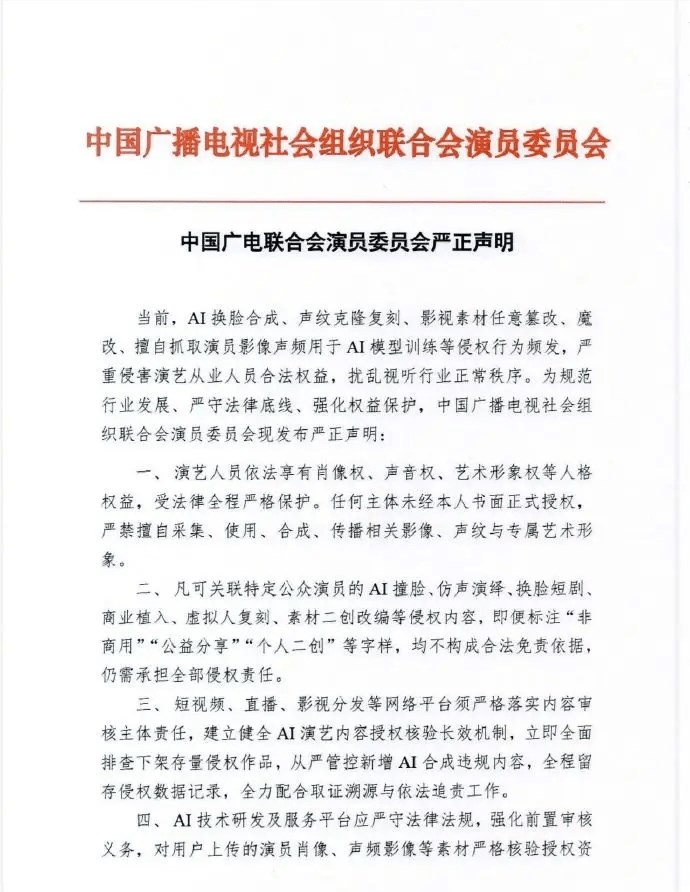
China's entertainment sector is fighting back against the growing misuse of artificial intelligence. On April 2, the Actors Committee of the Chinese Radio and Television Organizations Association issued a landmark statement targeting unauthorized AI applications in media production.
Image

Seven Strict Prohibitions

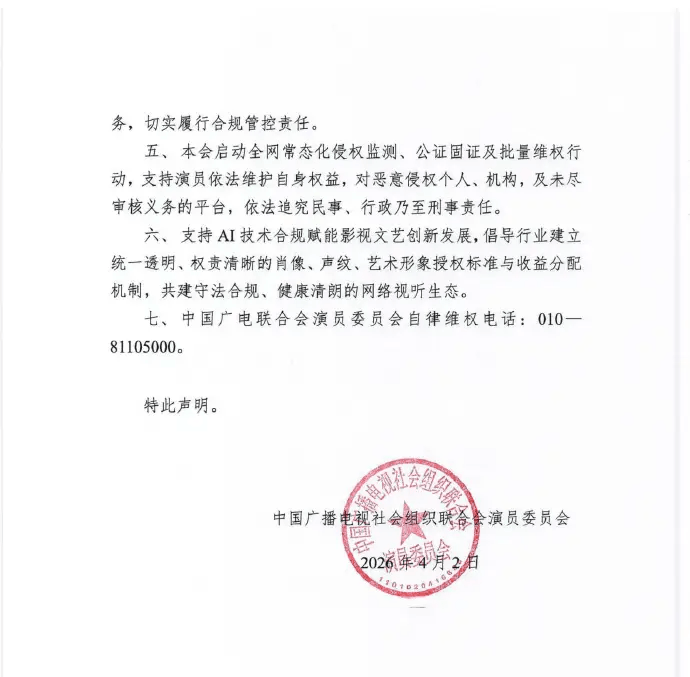
The comprehensive guidelines outline seven categories of banned practices, covering everything from tampering with film materials to unauthorized AI model training. What makes these rules particularly stringent is their stance on common loopholes - even content labeled as "non-commercial" or "personal creation" won't provide legal immunity for violators.

"This isn't just about protecting individual rights anymore," explains media law expert Li Wen. "We're seeing the industry move toward systematic supervision to address the challenges posed by generative AI."
Image

The Spark Behind the Crackdown

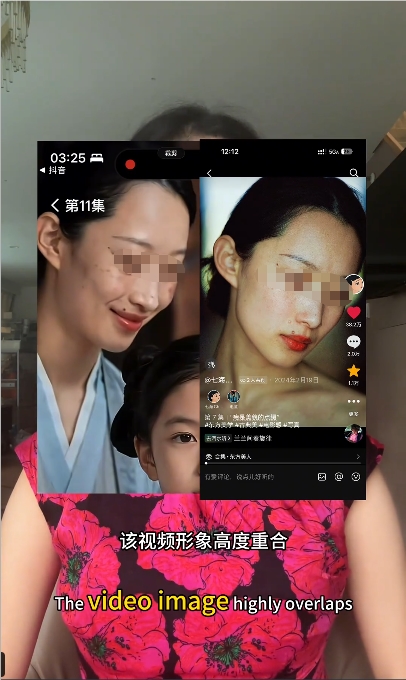
The statement comes amid growing unrest in China's entertainment industry. Since mid-March, nearly 100 top voice actors have publicly denounced AI voice cloning technology that can replicate their voices for less than $15. The outrage intensified following recent rulings from the Beijing Internet Court, including China's first AI voice infringement case and a celebrity face-swapping controversy involving short dramas.

Platforms Under Scrutiny

The new guidelines don't just target individual creators - they place significant responsibility on platforms and technology providers. Companies are now required to:

  • Implement content authorization verification systems
  • Establish rapid response channels for infringement reports
  • Monitor for unauthorized use of performers' likenesses and voices

"This changes the game," says tech analyst Zhang Wei. "Platforms can no longer claim ignorance when AI-generated content violates performers' rights."

Key Points:

  • Industry-wide action: First coordinated move against AI misuse in China's entertainment sector
  • No exceptions: Non-commercial labels won't protect violators from legal consequences
  • Expanding liability: Platforms must now actively prevent and respond to infringements
  • Judicial momentum: Comes alongside landmark court rulings on digital impersonation
Enjoyed this article?

Subscribe to our newsletter for the latest AI news, product reviews, and project recommendations delivered to your inbox weekly.

Weekly digestFree foreverUnsubscribe anytime

Related Articles

News

WeChat Cracks Down on AI-Altered Videos, Removes 3,800 Clips

WeChat has intensified its crackdown on AI-modified videos that distort classic works and historical figures, removing 3,800 problematic clips. The platform is targeting content that misguides youth values and harms national sentiments, including horror-themed animations. This move follows national guidelines to clean up online spaces while balancing innovation with responsibility.

April 2, 2026
AI regulationcontent moderationdigital safety
Model's Face Stolen by AI in Controversial Drama
News

Model's Face Stolen by AI in Controversial Drama

Fashion model Qihai Christ is fighting back after discovering her likeness was digitally inserted into a villain role in the popular short drama 'Peach Hairpin' without her consent. The unauthorized AI face-swapping has damaged her professional reputation and sparked legal action. This case highlights growing concerns about the ethical use of deepfake technology in entertainment.

April 2, 2026
AI ethicsdigital rightsentertainment law
Experts Sound Alarm as AI Videos Flood Kids' YouTube
News

Experts Sound Alarm as AI Videos Flood Kids' YouTube

More than 200 child development experts have united to challenge YouTube over its recommendation of AI-generated content to young viewers. Their open letter compares the platform's current approach to an 'uncontrolled experiment' that could harm children's cognitive development. While YouTube defends its labeling policies, critics argue these measures fail to protect pre-literate toddlers from what they call 'digital landfills' of low-quality content.

April 2, 2026
child developmentAI regulationdigital parenting
China Sets New Standards for AI-Generated Official Documents
News

China Sets New Standards for AI-Generated Official Documents

As AI writing tools flood government offices, China's tech authority steps in to ensure quality. The China Academy of Information and Communications Technology has launched the first national evaluation system for AI document writing. This initiative brings together tech leaders like iFLYTEK to create standards covering everything from meeting minutes to final approvals. The first ratings will help organizations cut through marketing hype when choosing these increasingly essential tools.

March 31, 2026
AI regulationgovernment technologydocument automation
News

Americans Wary of AI: Survey Reveals Deep Trust Issues

A new survey paints a troubling picture of public perception toward artificial intelligence. Over 75% of Americans express significant concerns about AI, ranging from privacy risks to job displacement. The findings highlight growing skepticism despite rapid technological advances, with many questioning whether current safeguards can keep pace with innovation.

March 31, 2026
AI trust issuestechnology skepticismAI regulation
News

California Defies Trump with Bold AI Regulations

California is pushing ahead with the nation's toughest AI regulations, directly challenging the Trump administration's call for relaxed tech rules. The state aims to protect privacy and prevent algorithmic discrimination, requiring major AI firms to submit detailed compliance reports. This move could spark a wave of similar actions in Democratic states, potentially creating a patchwork of conflicting regulations across the country.

March 31, 2026
AI regulationCalifornia politicsTech policy