
California Defies Trump with Bold AI Regulations

California Takes the Lead on AI Regulation

In a bold move that sets up a clash with Washington, California has announced plans to implement the strictest artificial intelligence regulations in the nation. The state government is moving forward despite pressure from the Trump administration to ease technology restrictions.

A Direct Challenge to Federal Policy

The Golden State's decision represents more than just local policy - it's a direct challenge to White House priorities. As home to Silicon Valley and many leading AI companies, California's stance carries significant weight in the tech world.

"Protecting our citizens' privacy and preventing algorithmic bias isn't negotiable," said one state official who asked not to be named. "We're drawing a line in the sand."

What the New Rules Would Do

The proposed regulations would:

  • Require transparency in AI model training
  • Mandate risk assessments for potential harms
  • Force top AI companies to file detailed compliance reports

The requirements go far beyond current federal guidelines, which the Trump administration has deliberately kept light to encourage innovation.

The Political Divide on Tech Policy

The conflict highlights a growing divide between Democratic-led states and Republican federal leadership on technology governance. While Washington argues that heavy regulation stifles American competitiveness, California officials compare unregulated AI to "a runaway train that needs guardrails."

Tech companies now face an uncomfortable reality: navigating completely different rules as they cross state lines. Some industry insiders worry this could lead to a regulatory patchwork that slows development and increases costs.

What Comes Next?

Political observers predict other blue states may follow California's lead, creating even more complexity for national tech firms. Until Congress passes comprehensive federal legislation - something that appears unlikely in the current political climate - the industry may need to adapt to an era of conflicting state-level rules.

The battle over who gets to set America's AI policy has clearly begun. And with billions in economic growth at stake, neither side shows signs of backing down.

Key Points:

  • California is implementing strict new AI regulations despite federal opposition
  • Rules focus on transparency and risk prevention, going beyond federal guidelines
  • Political divide between state and federal governments creates uncertainty for tech firms
  • Other Democratic states may follow, potentially creating a regulatory patchwork
Enjoyed this article?

Subscribe to our newsletter for the latest AI news, product reviews, and project recommendations delivered to your inbox weekly.

Weekly digestFree foreverUnsubscribe anytime

Related Articles

China Sets New Standards for AI-Generated Official Documents
News

China Sets New Standards for AI-Generated Official Documents

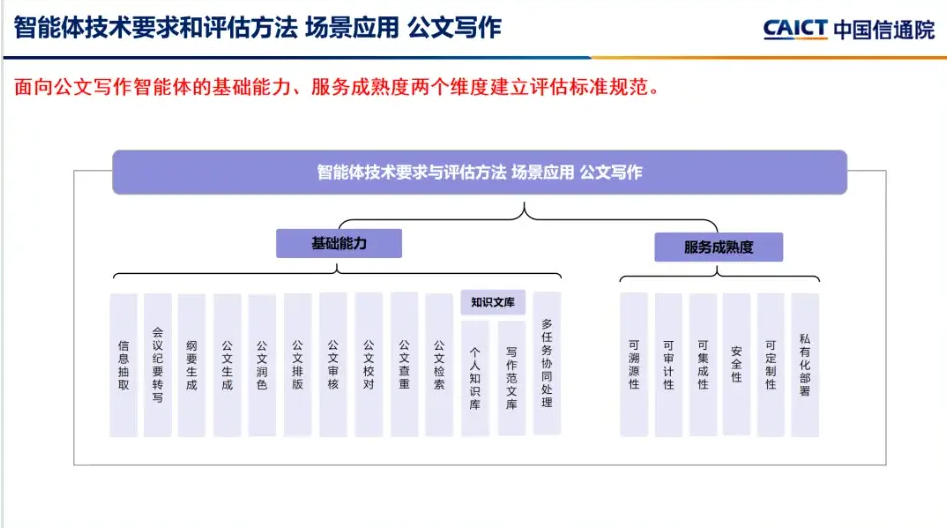
As AI writing tools flood government offices, China's tech authority steps in with the nation's first evaluation system for trustworthy document generation. The program, developed with industry leaders like iFLYTEK, establishes rigorous standards covering everything from meeting transcription to final formatting checks. First results expected this June will help organizations navigate an increasingly crowded market of digital writing assistants.

March 31, 2026
AI regulationgovernment technologydocument automation
News

Americans Wary of AI: Survey Reveals Deep Trust Issues

A new survey paints a troubling picture of public perception toward artificial intelligence. Over 75% of Americans express significant concerns about AI, ranging from privacy risks to job displacement. The findings highlight growing skepticism despite rapid technological advances, with many questioning whether current safeguards can keep pace with innovation.

March 31, 2026
AI trust issuestechnology skepticismAI regulation
News

Google bows to UK publishers, adding opt-out for AI search summaries

In a significant shift, Google has agreed to let websites opt out of its AI-generated search summaries following pressure from UK regulators and publishers. The move addresses concerns that these automated overviews were diverting traffic from content creators. While seen as a win for publishers, questions remain about how the changes will be implemented globally and whether opting out might still impact search rankings.

March 20, 2026
GoogleAI regulationsearch engines
News

Beijing Cracks Down on AI Misuse with Month-Long 'AI for Good' Campaign

Beijing has launched a targeted campaign to clean up AI misuse online. The one-month initiative aims to tackle everything from deepfake scams to AI-generated pornography, focusing on five key problem areas. Authorities will work with platforms to strengthen content moderation while cracking down on illegal services that exploit AI technology.

March 18, 2026
AI regulationdeepfake crackdowncontent moderation
News

Douyin Cracks Down on AI-Generated Explicit Content

Douyin has taken strong action against accounts using AI to create inappropriate content, banning over 14,000 violators this year. The platform targets black market operations that generate fake personas and suggestive videos to redirect users. Authorities have already detained suspects involved in these schemes as Douyin vows to intensify its crackdown.

March 16, 2026
content moderationAI regulationplatform governance
News

Lobster AI Shakes Up Pharma Workflows as Platforms Draw Regulatory Lines

An AI tool called OpenClaw, recognizable by its red lobster icon, is revolutionizing pharmaceutical workflows with unprecedented automation capabilities. While boosting efficiency dramatically - cutting some tasks from hours to minutes - its power raises new security concerns. Xiaohongshu has become the first platform to ban AI impersonating human users, sparking industry-wide discussions about balancing innovation with responsibility.

March 12, 2026
AI regulationpharmaceutical technologyworkplace automation