

China Sets New Standards for AI-Generated Official Documents
AI Meets Red Tape: China's Push for Reliable Official Documents
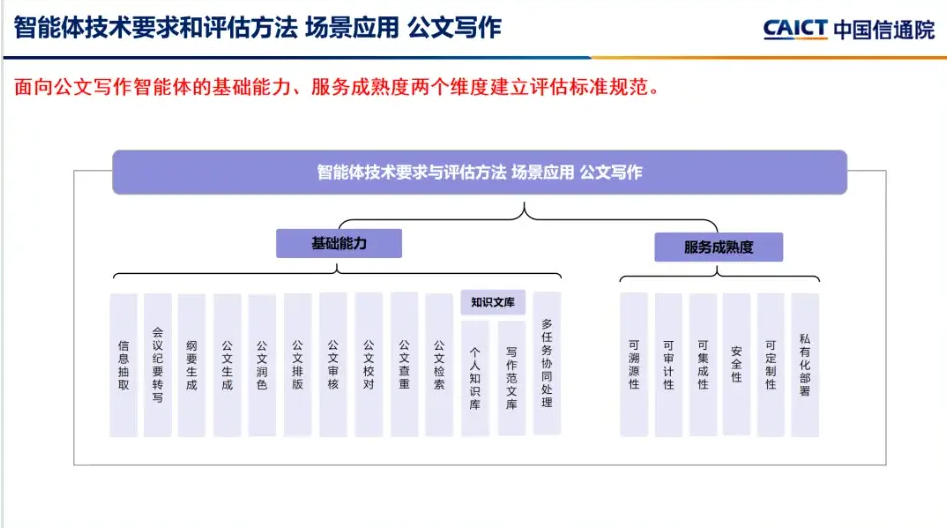
Government offices across China are getting some much-needed help in their battle against bureaucratic jargon - but not without new rules. The China Academy of Information and Communications Technology (CAICT) has rolled out the country's first evaluation system specifically designed to assess AI-powered document writing tools.
Why Standardization Matters Now
Walk into any government office today and you'll likely find staff wrestling with AI writing assistants. These digital helpers promise to streamline paperwork, but quality varies wildly between products. Some churn out documents that read like they were written by committee (because technically, they were). Others struggle with basic formatting requirements.
"We're seeing everything from brilliant time-savers to glorified autocorrect systems," explains a CAICT representative who asked not to be named. "This evaluation creates clear benchmarks so organizations can make informed choices."
The Evaluation Breakdown
The new standards examine 17 core capabilities across two major domains:
- Basic Functions: Meeting transcription, data extraction, template application
- Advanced Features: Context-aware editing, compliance checking, security protocols
Particular attention goes to what evaluators call "service maturity" - whether a product can actually deliver in real-world bureaucratic environments. Can it trace document changes? Handle sensitive information securely? Adapt to different department needs?
"Some systems just rearrange existing phrases without improving clarity," notes the CAICT representative. "We're weeding out those pseudo-smart solutions."
What This Means for Government Offices
For procurement officers drowning in vendor pitches, the June evaluation results can't come soon enough. The assessment will test products against over 100 specific criteria, essentially doing the homework most organizations lack resources to conduct themselves.
The initiative has drawn participation from major tech players including iFLYTEK and China Mobile Internet Group. Their involvement suggests industry recognition that standards benefit everyone - even competitors.
Key Points:
- First national evaluation system for AI document tools launches in China
- Standards cover 17 capabilities from basic transcription to advanced editing
- Focus on real-world usability beyond technical specifications
- Initial results expected June 2026 will guide organizational purchases