
Americans Wary of AI: Survey Reveals Deep Trust Issues

Americans Remain Skeptical of AI Despite Rapid Adoption

A comprehensive new survey reveals that three out of four Americans harbor serious reservations about artificial intelligence technologies. The findings suggest a widening gap between AI's technical capabilities and public acceptance.

Privacy and Job Security Top Concerns

Respondents identified several key worries driving their skepticism:

  • Personal privacy violations from data collection practices
  • Spread of misinformation through AI-generated content
  • Potential job losses as automation expands

The survey shows particular concern about the "black box" nature of many AI systems, where even developers struggle to explain how algorithms reach certain conclusions.

Regulation Lagging Behind Technology

Many participants expressed frustration with what they see as inadequate oversight. "We're building rockets while still figuring out traffic laws," commented one respondent anonymously. Current regulations appear woefully unprepared to address:

  • Algorithmic bias in hiring and lending decisions
  • Deepfake proliferation in media and politics
  • Ethical boundaries for autonomous systems

Industry at a Crossroads

The report comes at a critical moment for AI developers. Tech companies face mounting pressure to balance innovation with responsibility. Some firms have begun implementing:

  • More transparent data usage policies
  • Independent algorithm auditing programs
  • Worker retraining initiatives for displaced employees

Yet these measures may not be enough to overcome deep-seated public distrust built through years of data scandals and opaque corporate practices.

The Path Forward

The survey suggests that technical superiority alone won't win over skeptical consumers. Building trust will require:

  1. Clear explanations of how systems make decisions
  2. Stronger protections against misuse
  3. Meaningful public engagement in development processes
  4. Tangible demonstrations of AI's societal benefits
  5. Robust accountability mechanisms when things go wrong

The stakes couldn't be higher - without addressing these concerns, even the most advanced AI may struggle to gain mainstream acceptance.

Key Points:

  • 75% distrust: Majority of Americans express significant concerns about AI adoption
  • Transparency crisis: Opaque algorithms fuel skepticism about fairness and accuracy
  • Regulatory vacuum: Existing laws fail to address emerging challenges
  • Industry response: Some companies implementing new accountability measures
  • Trust deficit: Technical progress outpacing public confidence
Enjoyed this article?

Subscribe to our newsletter for the latest AI news, product reviews, and project recommendations delivered to your inbox weekly.

Weekly digestFree foreverUnsubscribe anytime

Related Articles

China Sets New Standards for AI-Generated Official Documents
News

China Sets New Standards for AI-Generated Official Documents

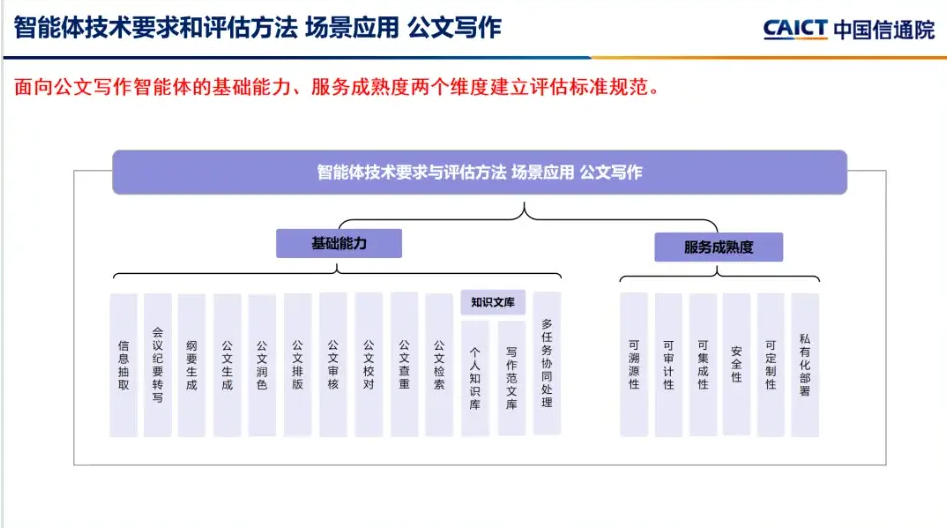
As AI writing tools flood government offices, China's tech authority steps in with the nation's first evaluation system for trustworthy document generation. The program, developed with industry leaders like iFLYTEK, establishes rigorous standards covering everything from meeting transcription to final formatting checks. First results expected this June will help organizations navigate an increasingly crowded market of digital writing assistants.

March 31, 2026
AI regulationgovernment technologydocument automation
News

California Defies Trump with Bold AI Regulations

California is pushing ahead with the nation's toughest AI regulations, directly challenging the Trump administration's call for relaxed tech rules. The state aims to protect privacy and prevent algorithmic discrimination, requiring major AI firms to submit detailed compliance reports. This move could spark a wave of similar actions in Democratic states, potentially creating a patchwork of conflicting regulations across the country.

March 31, 2026
AI regulationCalifornia politicsTech policy
News

Google bows to UK publishers, adding opt-out for AI search summaries

In a significant shift, Google has agreed to let websites opt out of its AI-generated search summaries following pressure from UK regulators and publishers. The move addresses concerns that these automated overviews were diverting traffic from content creators. While seen as a win for publishers, questions remain about how the changes will be implemented globally and whether opting out might still impact search rankings.

March 20, 2026
GoogleAI regulationsearch engines
News

Beijing Cracks Down on AI Misuse with Month-Long 'AI for Good' Campaign

Beijing has launched a targeted campaign to clean up AI misuse online. The one-month initiative aims to tackle everything from deepfake scams to AI-generated pornography, focusing on five key problem areas. Authorities will work with platforms to strengthen content moderation while cracking down on illegal services that exploit AI technology.

March 18, 2026
AI regulationdeepfake crackdowncontent moderation
News

Douyin Cracks Down on AI-Generated Explicit Content

Douyin has taken strong action against accounts using AI to create inappropriate content, banning over 14,000 violators this year. The platform targets black market operations that generate fake personas and suggestive videos to redirect users. Authorities have already detained suspects involved in these schemes as Douyin vows to intensify its crackdown.

March 16, 2026
content moderationAI regulationplatform governance
News

Lobster AI Shakes Up Pharma Workflows as Platforms Draw Regulatory Lines

An AI tool called OpenClaw, recognizable by its red lobster icon, is revolutionizing pharmaceutical workflows with unprecedented automation capabilities. While boosting efficiency dramatically - cutting some tasks from hours to minutes - its power raises new security concerns. Xiaohongshu has become the first platform to ban AI impersonating human users, sparking industry-wide discussions about balancing innovation with responsibility.

March 12, 2026
AI regulationpharmaceutical technologyworkplace automation