Google and PayPal Unveil AP2 Protocol for AI-Powered Payments

Google and PayPal Pioneer Secure AI Payments with AP2 Protocol

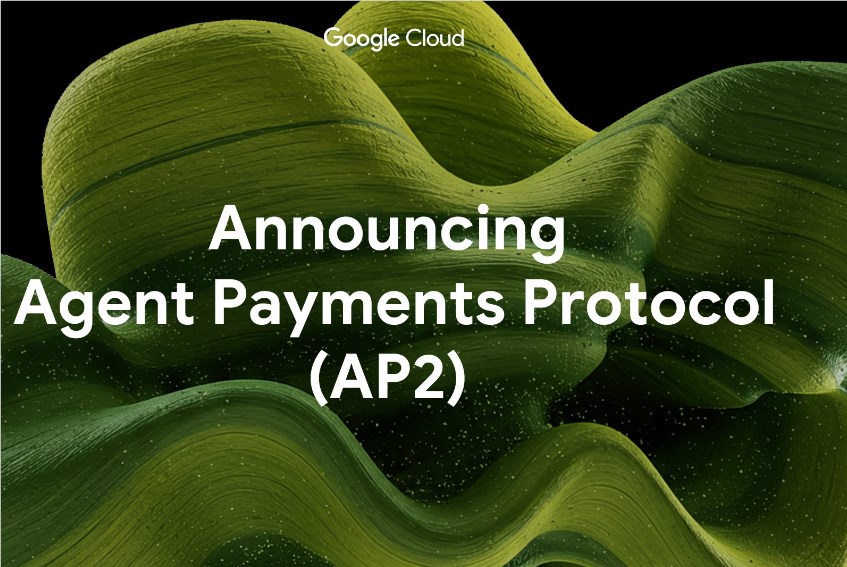
Google has launched the Agent Payments Protocol (AP2), an open-source initiative developed in collaboration with PayPal, to redefine how artificial intelligence handles financial transactions. This strategic partnership aims to establish a secure foundation for AI-powered payments while maintaining user control and transparency.
Image

The Need for Secure AI Transactions

As AI assistants become increasingly sophisticated—capable of booking flights, purchasing tickets, and managing routine transactions—the question of legal responsibility and security has emerged as a critical challenge. Traditional "click-to-buy" mechanisms weren't designed for agent-mediated purchases, creating potential vulnerabilities.

The AP2 protocol introduces a paradigm shift by replacing simple purchase actions with contract-based conversations. Each transaction initiated by an AI requires explicit user authorization through encrypted digital contracts called "authorization tokens." These tokens specify:

  • Permitted actions
  • Spending limits
  • Execution conditions

Three-Tier Authorization System

The protocol implements a granular approach to permissions:

  1. Active session purchases: For transactions where users are actively engaged with the AI assistant.
  2. Pre-authorized intentions: Allows limited autonomous operations based on predefined user preferences.
  3. Payment verification: Ensures accurate identification of payment sources and destinations.

"This isn't just about preventing unauthorized purchases," explains a Google spokesperson. "It's about creating an audit trail that clearly shows user intent at every stage of an AI-mediated transaction."

Building an Ecosystem with Partners

Google has onboarded 60+ partners across financial services, e-commerce platforms, and technology providers to develop applications around AP2. PayPal brings its global payment infrastructure and risk management expertise to the collaboration, promising deeper integration between its services and Google's ecosystem.

The protocol employs role separation architecture to safeguard sensitive information:

  • Payment processors never see full purchase contexts
  • Merchants receive only necessary transaction details
  • Users maintain control through token management interfaces

Dispute Resolution Mechanism

The authorization token system provides a clear evidentiary chain for resolving transaction disputes:

  • Digital signatures verify original consent
  • Transaction logs record all agent actions
  • Smart contracts enforce predetermined terms "If a user questions a purchase," notes a PayPal executive, "we can instantly verify whether it fell within authorized parameters or represents system error."

The AP2 codebase is now available on GitHub, inviting developer contributions to expand its capabilities.

Key Points:

Secure framework: AP2 establishes encrypted authorization for all AI-driven payments
🤝 Strategic partnership: Combines Google's technical infrastructure with PayPal's financial expertise
🔐 User control: Three-tier token system ensures precise permission management
⚖️ Clear accountability: Digital contracts provide unambiguous transaction records
Enjoyed this article?

Subscribe to our newsletter for the latest AI news, product reviews, and project recommendations delivered to your inbox weekly.

Weekly digestFree foreverUnsubscribe anytime

Related Articles

Google Brings AI to Gmail While Vowing to Keep Your Emails Private
News

Google Brings AI to Gmail While Vowing to Keep Your Emails Private

Google is integrating its Gemini AI into Gmail to help users manage emails more efficiently, from polishing drafts to prioritizing inboxes. What sets this apart is Google's firm promise: your personal emails won't be used to train their AI models. The company describes a 'private room' approach where Gemini only accesses emails temporarily to complete tasks, then immediately loses access. This move comes as tech firms face growing scrutiny over how they handle user data with AI tools.

April 9, 2026
GoogleAI PrivacyEmail Technology
Google's Gemini Comes to Gmail with Strict Privacy Protections
News

Google's Gemini Comes to Gmail with Strict Privacy Protections

Google is bringing its Gemini AI to Gmail while making bold privacy promises. The tech giant vows never to use your personal emails for AI training, keeping all processing in isolated environments. As email becomes smarter with AI drafting and summarization features, Google aims to differentiate itself from competitors by prioritizing user trust. This move comes as the industry grapples with balancing AI convenience against growing privacy concerns.

April 8, 2026
GoogleAI PrivacyEmail Technology
Google's Gemma 4: Small AI Models Pack a Big Punch
News

Google's Gemma 4: Small AI Models Pack a Big Punch

Google has open-sourced its Gemma 4 AI models, and they're turning heads in the tech world. What makes them special? Some of these compact models outperform giants 20 times their size, bringing powerful AI capabilities to everyday devices like smartphones. With optimized versions for mobile and IoT devices, Gemma 4 could change how we interact with AI in our daily lives.

April 7, 2026
AIMachine LearningGoogle
Google's Gemma4 Goes Truly Open: What It Means for Developers
News

Google's Gemma4 Goes Truly Open: What It Means for Developers

Google has taken a bold step with its latest AI model Gemma4, adopting the Apache 2.0 license to give developers unprecedented freedom. This marks a significant shift from previous restrictive policies, allowing commercial use and modification without legal hurdles. The new model boasts improved performance and seamless integration with existing developer tools, potentially leveling the playing field for smaller companies in the AI race.

April 3, 2026
Gemma4Open Source AIGoogle
News

Google's Texas Gas Plant Fuels AI Boom, Sparks Climate Concerns

Google is building a 933-megawatt natural gas plant in Texas to power its AI data centers, raising questions about tech giants' climate commitments. The project, developed with Crusoe Energy, could emit 45 million tons of CO2 annually - a sharp contrast to Google's net-zero pledges. As AI's energy demands skyrocket, even Silicon Valley's green champions are turning to fossil fuels to keep servers running.

April 3, 2026
AI infrastructureTech sustainabilityEnergy policy
News

Google Bets Big on AI Future with Billion-Dollar Anthropic Deal

Google is making a massive investment in AI startup Anthropic, pledging billions to build custom data centers. This strategic move tightens their partnership beyond financial backing, giving Anthropic crucial computing power to compete in the AI arms race. As tech giants vie for dominance, such infrastructure deals are becoming the new battleground in artificial intelligence development.

March 30, 2026
Artificial IntelligenceTech InvestmentsCloud Computing