Google's Gemini Comes to Gmail with Strict Privacy Protections
Google Tightens Privacy as Gemini AI Joins Gmail
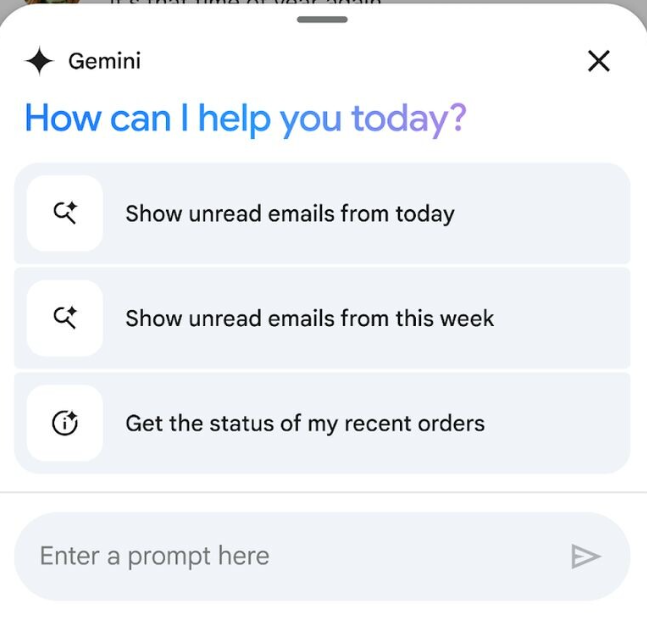
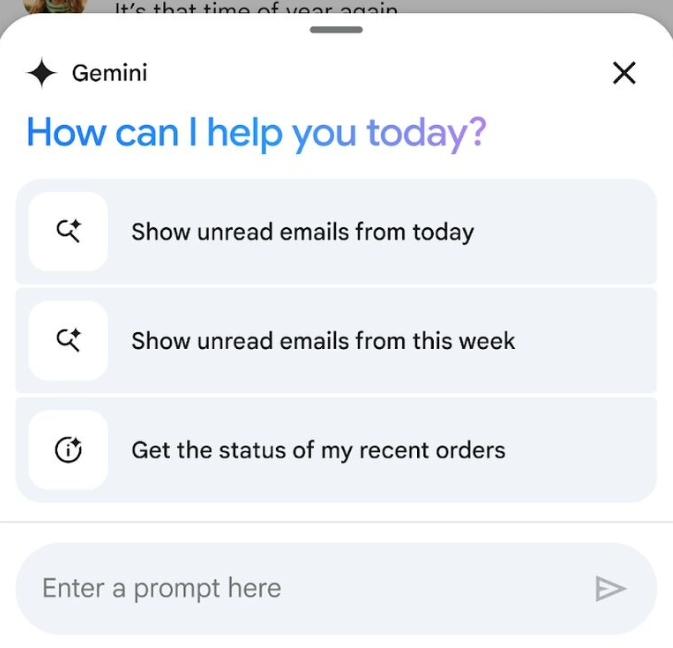
Google is making waves by integrating its powerful Gemini AI directly into Gmail, but with an unusual twist - ironclad privacy protections. In an era where AI data practices often raise eyebrows, the company is taking a different approach by walling off personal emails from its training systems.
The Privacy Promise
"Your inbox stays yours," declares Google's policy, outlining three key safeguards:
- No Training Data: Your personal emails won't feed into Gemini's learning algorithms, period.
- Digital Isolation Chamber: All AI processing happens in secure environments that can't communicate with external systems.
- Temporary Access Only: Like a VIP guest who can't take notes, Gemini gets brief access before being automatically locked out again.
Gmail VP Blake Barnes compares it to "hiring a secretary who burns their notes after each meeting."
Smarter Email, Same Privacy
The new features aim to transform email overload into manageable workflows:
- Writing Assistant: Struggling with replies? Gemini can draft responses or polish your wording.
- Inbox Tamer: It highlights key points in lengthy threads and prioritizes what needs attention.
- Decision Helper: Need to find that one important detail buried in months of correspondence? Gemini can surface it instantly.
Why Privacy Matters Now
Google's move follows industry stumbles where AI tools accidentally exposed sensitive data. Remember when Microsoft's Copilot mishandled private emails? That incident sent shockwaves through corporate IT departments.
The company clearly hopes its privacy-first stance will win over security-conscious businesses and individuals. In the race for AI dominance, trust might be the ultimate competitive edge.
Key Points:
- Gemini brings AI smarts to Gmail while keeping emails private
- Strict isolation prevents personal data from being used in training
- Features include smart drafting, summarization and search tools
- Move contrasts with recent industry privacy missteps