Google's Gemma4 Goes Truly Open: What It Means for Developers
Google Opens the Floodgates with Gemma4
In a move that's set to shake up the AI development landscape, Google has officially released Gemma4 under the permissive Apache 2.0 license. This decision effectively removes the legal handcuffs that previously limited how developers could use Google's open-source AI models.
A License That Means Business
The shift to Apache licensing isn't just technical jargon - it's a game changer. Where previous versions came with strings attached, Gemma4 gives developers carte blanche to:
- Use the model in commercial products without fear of legal repercussions
- Modify and adapt the code to their specific needs
- Distribute their customized versions freely
"This is Google acknowledging that real innovation happens when developers aren't constantly looking over their shoulders," notes AI researcher Dr. Elena Torres. "The Apache license is like giving them a blank canvas instead of a paint-by-numbers kit."
More Than Just Legal Freedom
The improvements aren't just about licensing. Under the hood, Gemma4 represents:
- Performance boosts across multiple benchmark tests
- Enhanced capability for complex development tasks
- Better compatibility with existing tools and frameworks
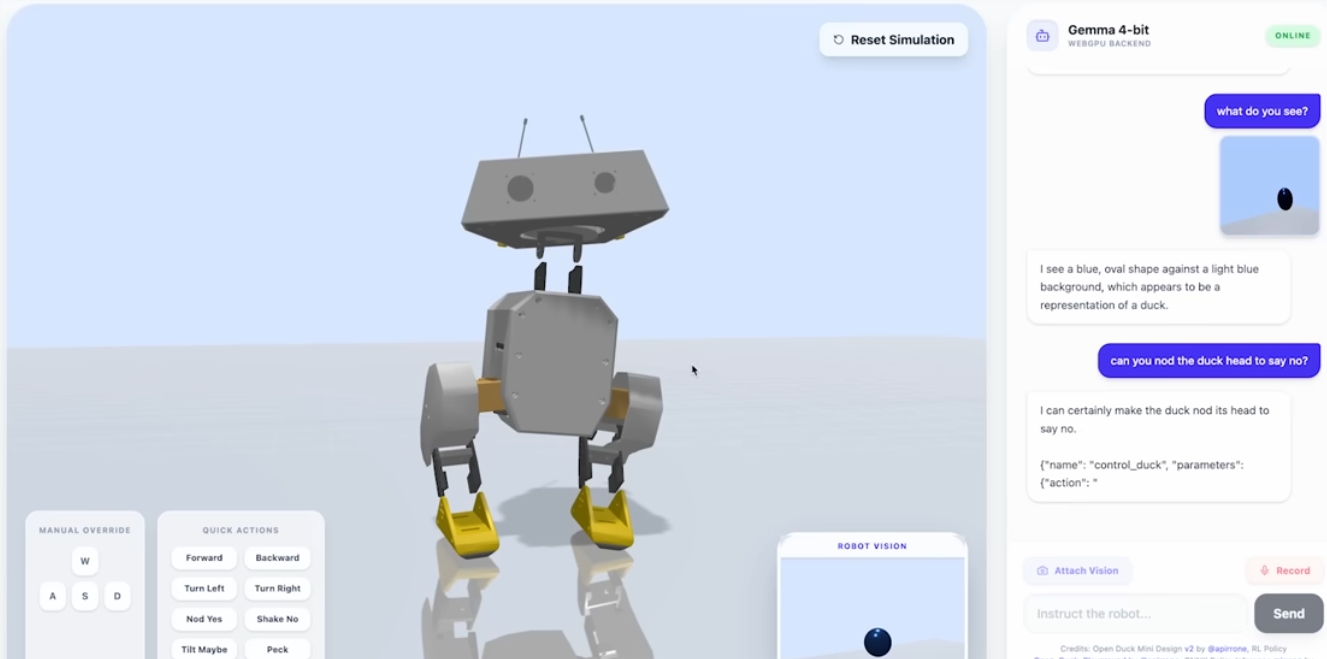
What makes this particularly exciting is how it lowers barriers for smaller players. "A startup can now take Gemma4 and build upon it without needing Google-scale resources," explains tech analyst Mark Chen. "This could lead to an explosion of niche AI applications we haven't even imagined yet."
The model's architecture borrows from Google's most advanced research while maintaining compatibility with popular developer ecosystems - think of it as getting Formula One performance in a car that still runs on regular gas.
Key Points:
- License liberation: Apache 2.0 removes previous usage restrictions
- Performance upgrade: Benchmarks show significant improvements over predecessors
- Ecosystem friendly: Designed to work seamlessly with existing developer tools
- Democratizing effect: Levels the playing field for smaller companies and individual developers