Google Brings AI to Gmail While Vowing to Keep Your Emails Private

Google is making a bold move by bringing its Gemini artificial intelligence directly into Gmail, while simultaneously addressing one of users' biggest concerns: privacy.
Image

A New Way to Handle Email

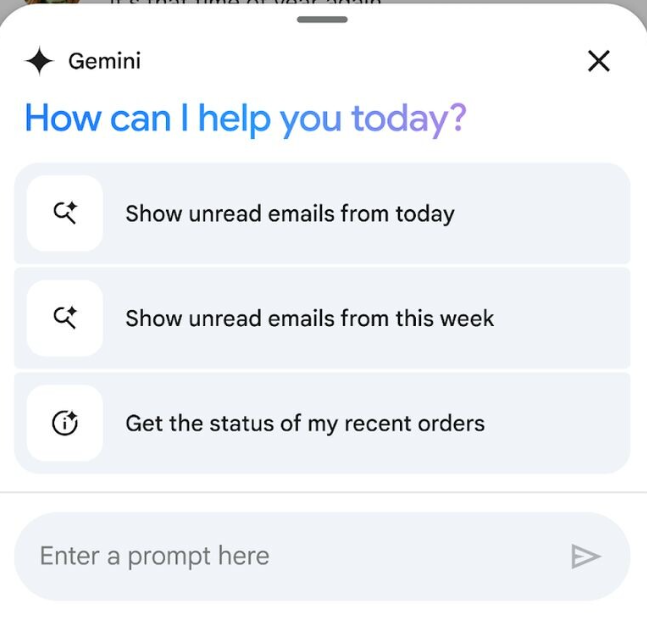
The tech giant recently announced deep integration of its generative AI model into the email platform we all use daily. Imagine having an assistant that can polish your drafts, fix awkward phrasing, sort your overflowing inbox by priority, and even summarize long threads - all with a few clicks.

But here's what makes this different from other AI rollouts we've seen recently. Google isn't just touting flashy features - they're leading with privacy assurances in an industry where data practices have raised eyebrows.

Building Trust Through Isolation

"We've designed this so your emails remain yours alone," a Google spokesperson explained. The company describes what they call a "private room" approach. When you ask Gemini to help with an email task, it works in a strictly isolated environment. Think of it like hiring a temporary secretary who only sees what's necessary to complete the job, then forgets everything when they leave the room.

Technically speaking, the model gets temporary access rights while processing your request, then immediately loses that access once the task is done. This architectural choice aims to prevent any possibility of your personal correspondence being stored or used for training purposes.

Why This Matters Now

The timing isn't accidental. As AI becomes embedded in more products, users and regulators alike are questioning how companies handle sensitive information. Google appears to be positioning itself as the privacy-conscious alternative in the AI race - an interesting pivot for a company that built its empire on data.

Current features rolling out include:

  • Smart editing for polishing email drafts
  • Priority sorting that learns what matters most to you
  • Automatic summaries of lengthy email threads
  • Tone adjustments to help craft the perfect message

The question remains: will these privacy promises be enough to convince wary users to embrace AI in their inboxes? Only time will tell if Google can deliver both convenience and confidentiality.

Key Points:

  • Gemini AI is coming to Gmail with tools for drafting, editing and organizing emails
  • Google promises user emails won't be used for AI training purposes
  • The system uses temporary "private room" access that expires after each task
  • Features include smart editing, priority sorting and automatic summaries
  • Move comes amid growing scrutiny of how tech companies use data with AI
Enjoyed this article?

Subscribe to our newsletter for the latest AI news, product reviews, and project recommendations delivered to your inbox weekly.

Weekly digestFree foreverUnsubscribe anytime

Related Articles

Google's Gemini Comes to Gmail with Strict Privacy Protections
News

Google's Gemini Comes to Gmail with Strict Privacy Protections

Google is bringing its Gemini AI to Gmail while making bold privacy promises. The tech giant vows never to use your personal emails for AI training, keeping all processing in isolated environments. As email becomes smarter with AI drafting and summarization features, Google aims to differentiate itself from competitors by prioritizing user trust. This move comes as the industry grapples with balancing AI convenience against growing privacy concerns.

April 8, 2026
GoogleAI PrivacyEmail Technology
News

Google's AI Search Results Still Get It Wrong 1 Million Times a Minute

Despite improvements, Google's AI-powered search summaries still make frequent mistakes - about 1 million incorrect answers every minute. While accuracy has climbed to 91%, more than half of these AI-generated overviews now contain information that doesn't match their source links. Recent tests show these summaries remain vulnerable to misinformation, with one journalist easily tricking the system by publishing fake content.

April 8, 2026
Google SearchAI AccuracyMisinformation
Google's Gemma 4: Small AI Models Pack a Big Punch
News

Google's Gemma 4: Small AI Models Pack a Big Punch

Google has open-sourced its Gemma 4 AI models, and they're turning heads in the tech world. What makes them special? Some of these compact models outperform giants 20 times their size, bringing powerful AI capabilities to everyday devices like smartphones. With optimized versions for mobile and IoT devices, Gemma 4 could change how we interact with AI in our daily lives.

April 7, 2026
AIMachine LearningGoogle
Google's Gemma4 Goes Truly Open: What It Means for Developers
News

Google's Gemma4 Goes Truly Open: What It Means for Developers

Google has taken a bold step with its latest AI model Gemma4, adopting the Apache 2.0 license to give developers unprecedented freedom. This marks a significant shift from previous restrictive policies, allowing commercial use and modification without legal hurdles. The new model boasts improved performance and seamless integration with existing developer tools, potentially leveling the playing field for smaller companies in the AI race.

April 3, 2026
Gemma4Open Source AIGoogle
News

Google's Texas Gas Plant Fuels AI Boom, Sparks Climate Concerns

Google is building a 933-megawatt natural gas plant in Texas to power its AI data centers, raising questions about tech giants' climate commitments. The project, developed with Crusoe Energy, could emit 45 million tons of CO2 annually - a sharp contrast to Google's net-zero pledges. As AI's energy demands skyrocket, even Silicon Valley's green champions are turning to fossil fuels to keep servers running.

April 3, 2026
AI infrastructureTech sustainabilityEnergy policy
Perplexity AI Sued for Allegedly Sharing User Chats with Tech Giants
News

Perplexity AI Sued for Allegedly Sharing User Chats with Tech Giants

Perplexity AI finds itself in hot water as a class-action lawsuit accuses the company of secretly sharing users' private conversations with Meta and Google. The legal action claims sensitive financial data was exposed even in incognito mode. While Perplexity says it hasn't received the complaint yet, the case highlights growing concerns about privacy in AI services. The lawsuit emerges during a particularly sensitive time for AI regulation, with competitors like Anthropic and OpenAI also facing their own controversies.

April 2, 2026
AI PrivacyData ProtectionTech Lawsuits