WeChat Cracks Down on AI-Altered Videos, Removes 3,800 Clips

WeChat Tightens Grip on AI-Generated Video Content

In its latest push to clean up digital spaces, WeChat has removed 3,800 short videos that used AI tools to inappropriately alter classic films, historical narratives, and children's animations. The crackdown specifically targets content that twists original storylines or presents disturbing versions of familiar characters.

What Triggered the Action?

The platform acted after discovering accounts exploiting AI technology to:

  • Radically reinterpret classic dramas like Romance of the Three Kingdoms
  • Present distorted versions of historical events and national heroes
  • Transform beloved cartoon figures into horror-themed characters

"Some creators crossed the line from creative reinterpretation to harmful distortion," explains a WeChat spokesperson. "When modifications start misleading young viewers or disrespecting cultural heritage, we must intervene."

Behind the Removal Statistics

The 3,800 deleted videos represent just one month's enforcement (March 2026), with one repeat offender account permanently banned. Most violations fell into three categories:

  1. Classic Works Tampering: Unauthorized edits changing fundamental plotlines or character motivations in culturally significant films/TV shows
  2. Historical Revisionism: AI-altered depictions of real historical events that contradict established facts
  3. Childhood Icons Twisted: Familiar animated characters redesigned with grotesque or frightening features

Example: A viral but removed series spliced footage from the patriotic film The Founding of a Republic with fabricated dialogue suggesting alternate historical outcomes.

Balancing Act: Innovation vs Responsibility

The move aligns with China's broader efforts to rein in potential AI misuse while allowing room for technological creativity. WeChat emphasizes this isn't about stifling innovation but maintaining boundaries:

  • For Creators: New guidelines clarify acceptable versus prohibited modifications
  • For Parents: Enhanced content flags help identify potentially disturbing material
  • For Educators: Partnerships planned to develop media literacy resources

"We're upgrading our detection systems," notes the platform's safety team. "Advanced algorithms now spot telltale signs of problematic AI edits - certain pixel patterns, voice modulation artifacts."

What's Next?

The campaign shows no signs of slowing down:

  • Expanded human review teams for borderline cases
  • Stricter penalties for accounts repeatedly pushing boundaries
  • User reporting tools getting interface upgrades this summer

Key Points

  • 🔍 3,800 videos removed in March for inappropriate AI modifications
  • 🚫 One account banned after multiple violations
  • 🛡️ Focus areas: Historical accuracy, youth protection, cultural respect
  • 🤖 Detection tech combining algorithmic scans and human review
  • 📢 New creator guidelines coming next quarter
Enjoyed this article?

Subscribe to our newsletter for the latest AI news, product reviews, and project recommendations delivered to your inbox weekly.

Weekly digestFree foreverUnsubscribe anytime

Related Articles

China's Entertainment Industry Cracks Down on Unauthorized AI Face-Swapping
News

China's Entertainment Industry Cracks Down on Unauthorized AI Face-Swapping

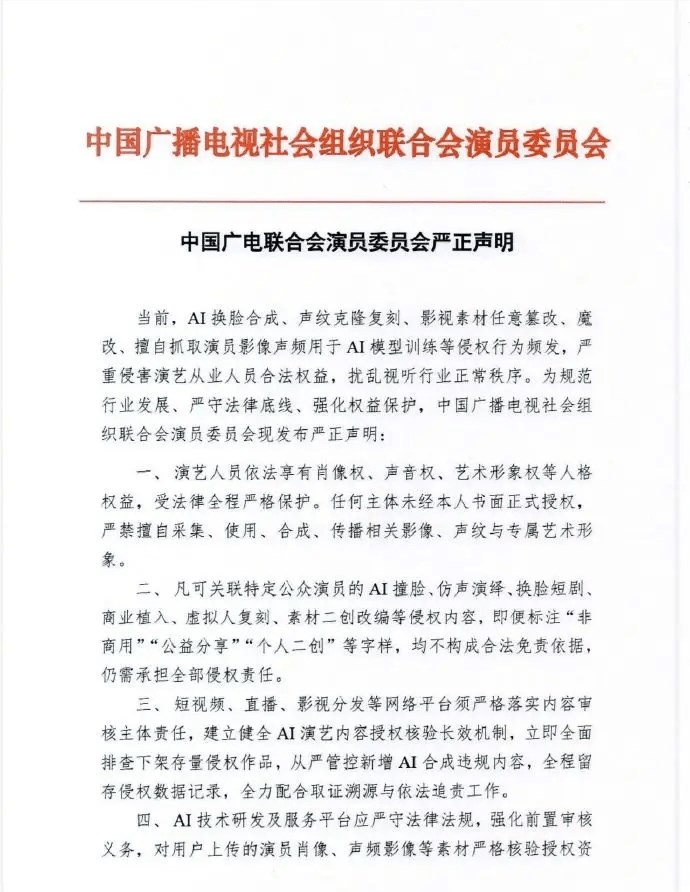
China's entertainment industry is taking a stand against AI misuse. The Actors Committee has issued strict guidelines banning unauthorized face-swapping and voice cloning, marking a shift from individual rights protection to industry-wide collaboration. This comes amid growing concerns over cheap AI tools that can replicate voices in minutes and recent court rulings on digital impersonation cases.

April 2, 2026
AI regulationentertainment industrydigital rights
Experts Sound Alarm as AI Videos Flood Kids' YouTube
News

Experts Sound Alarm as AI Videos Flood Kids' YouTube

More than 200 child development experts have united to challenge YouTube over its recommendation of AI-generated content to young viewers. Their open letter compares the platform's current approach to an 'uncontrolled experiment' that could harm children's cognitive development. While YouTube defends its labeling policies, critics argue these measures fail to protect pre-literate toddlers from what they call 'digital landfills' of low-quality content.

April 2, 2026
child developmentAI regulationdigital parenting
China Sets New Standards for AI-Generated Official Documents
News

China Sets New Standards for AI-Generated Official Documents

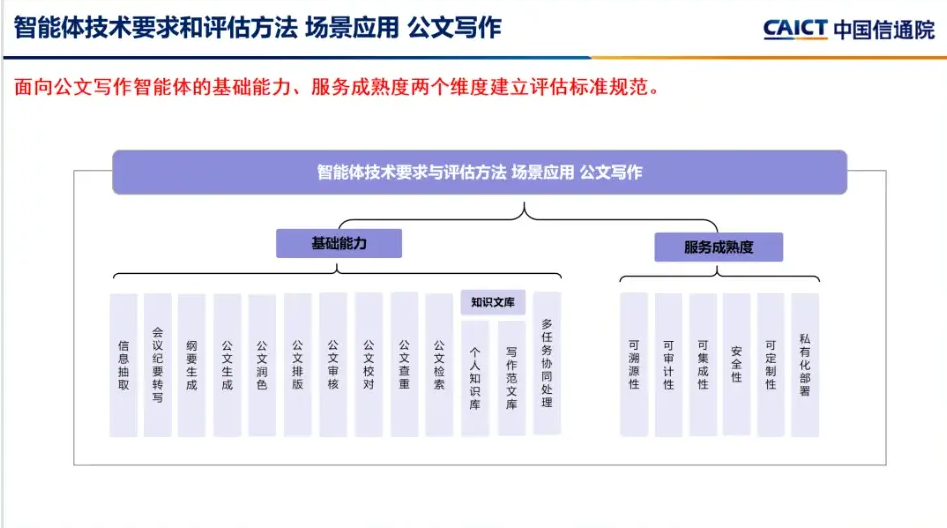
As AI writing tools flood government offices, China's tech authority steps in to ensure quality. The China Academy of Information and Communications Technology has launched the first national evaluation system for AI document writing. This initiative brings together tech leaders like iFLYTEK to create standards covering everything from meeting minutes to final approvals. The first ratings will help organizations cut through marketing hype when choosing these increasingly essential tools.

March 31, 2026
AI regulationgovernment technologydocument automation
News

Americans Wary of AI: Survey Reveals Deep Trust Issues

A new survey paints a troubling picture of public perception toward artificial intelligence. Over 75% of Americans express significant concerns about AI, ranging from privacy risks to job displacement. The findings highlight growing skepticism despite rapid technological advances, with many questioning whether current safeguards can keep pace with innovation.

March 31, 2026
AI trust issuestechnology skepticismAI regulation
News

California Defies Trump with Bold AI Regulations

California is pushing ahead with the nation's toughest AI regulations, directly challenging the Trump administration's call for relaxed tech rules. The state aims to protect privacy and prevent algorithmic discrimination, requiring major AI firms to submit detailed compliance reports. This move could spark a wave of similar actions in Democratic states, potentially creating a patchwork of conflicting regulations across the country.

March 31, 2026
AI regulationCalifornia politicsTech policy
News

Wikipedia Draws the Line: No More AI-Generated Content Allowed

Wikipedia has officially banned the use of large language models to create or rewrite articles, marking a decisive shift from its previous ambiguous stance. The new policy, supported by an overwhelming 40-2 vote from the editing community, aims to protect the encyclopedia's accuracy and reliability. While AI can still assist with basic editing suggestions and translations under strict guidelines, any content introducing new facts or viewpoints generated by AI is strictly prohibited. The move reflects growing concerns about AI hallucinations and misinformation undermining Wikipedia's reputation as a trusted knowledge source.

March 27, 2026
Wikipedia policyAI restrictionscontent moderation