OpenClaw Founder Predicts 2026 as the Dawn of True AI Assistants
The Rise of AI Colleagues: How 2026 Could Change Work Forever
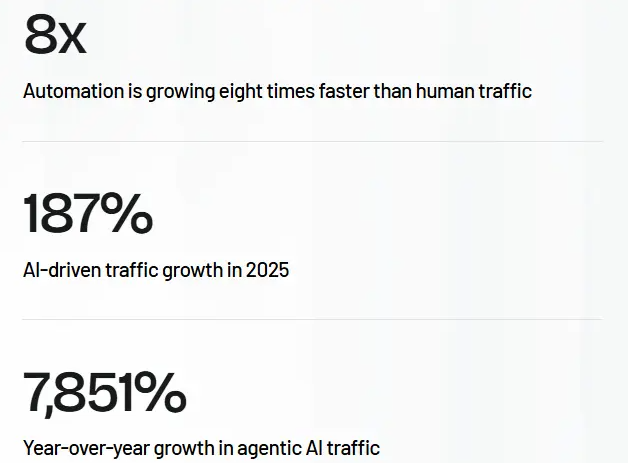
At a recent tech summit, the founder of OpenClaw dropped what might be one of the most significant predictions for the near future of artificial intelligence. 2026, he claims, will mark the moment when AI evolves from being helpful tools to becoming genuine digital coworkers.
From Chatbots to Colleagues
Remember when AI assistants could barely hold a coherent conversation? Those days might soon feel ancient. The new generation of general AI agents promises to handle complete workflows - scheduling meetings, managing projects, even making judgment calls about which software tools to use for specific tasks.
"We're not just talking about smarter chatbots," explains the OpenClaw founder. "These agents can understand vague requests like 'prepare the quarterly report' and actually execute all the necessary steps across multiple platforms."
The Tech Behind the Transformation
What makes this possible now? Several breakthroughs are converging:
- Multimodal understanding lets AI interpret text, voice, and visual cues with human-like nuance
- Infrastructure improvements enable seamless operation across different software ecosystems
- Advanced reasoning capabilities allow for breaking down complex requests into actionable steps
The implications could be enormous. Imagine an AI that doesn't just remind you about an upcoming deadline but actually prepares the presentation by gathering data, creating slides, and even rehearsing the talking points with you.
The Human Impact - And Concerns
This shift could completely transform workplaces:
- Traditional SaaS interfaces might become secondary as we interact directly with AI agents
- Job roles may evolve to focus more on oversight than execution
- Entire industries could see productivity surges - or painful disruptions
But it's not all rosy. As one ethics researcher notes: "When your AI assistant starts making judgment calls about which emails are important or how to prioritize tasks, we need absolute clarity about whose values it's following."
The coming months will be crucial for establishing guardrails around these powerful new tools. Can we maintain meaningful human control while benefiting from AI's growing capabilities?
Key Points:
- General AI agents represent a quantum leap beyond current chatbots and virtual assistants
- 2026 may see these tools become capable of complete workflow management without human micro-management
- The technology raises important questions about security protocols and ethical boundaries
- Industries should prepare for potential disruptions to existing software ecosystems and work patterns