China's Broadcast Industry Cracks Down on AI-Generated Celebrity Impersonations
Broadcast Industry Draws Line in the Sand Against AI Impersonations
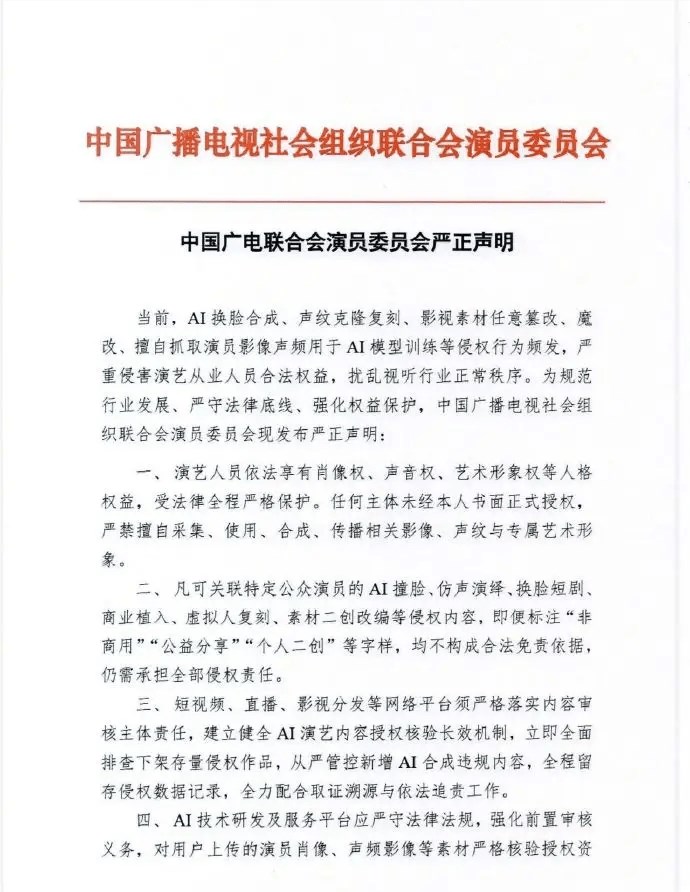
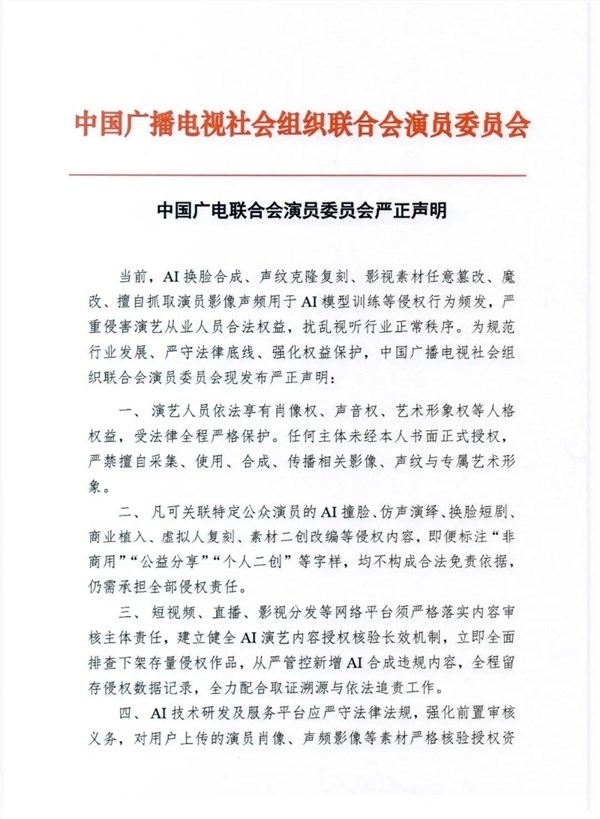
The China Radio and Television Association (CRTA) has fired a warning shot across the bow of unauthorized AI content creation. In a strongly worded statement, the organization's Actors Committee declared war on digital imposters who clone celebrities' faces and voices without permission.
New Rules of the Game
Gone are the days when anyone could casually grab an actor's image or voice sample for AI experiments. The CRTA's new guidelines establish clear boundaries:
- Permission slips required: No more borrowing faces or voices without written consent from the actual person
- No free passes: Even "just for fun" projects need proper authorization
- Platform accountability: Websites hosting AI content must verify permissions before publishing
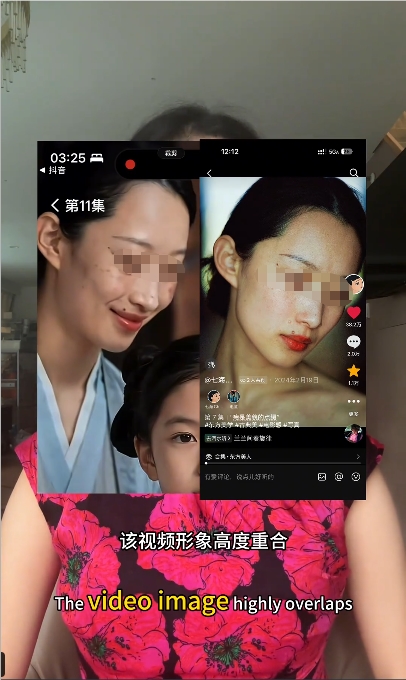
"We're seeing too many cases where someone's entire digital identity gets hijacked," explains a committee spokesperson. "An actor might suddenly find themselves starring in videos they never made, saying things they never said."
Enforcement Gets Teeth
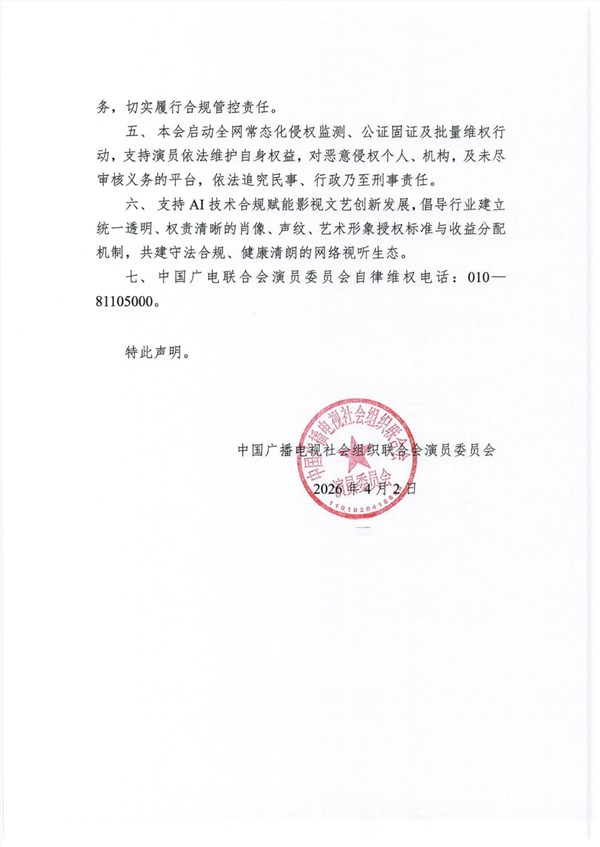
The association isn't just making threats - they're backing up their words with action:
- Digital watchdogs: Regular scans for unauthorized AI-generated content
- Legal consequences: Infringers will face lawsuits and financial penalties
- Batch processing: Multiple violations will be addressed simultaneously for maximum impact
Why This Matters Now
As AI tools become more sophisticated, the entertainment industry faces unprecedented challenges. Deepfake technology that once required Hollywood-level resources can now be accessed by anyone with a smartphone. This crackdown represents China's first major attempt to protect performers' digital rights in this new landscape.
The stakes go beyond individual celebrities. When audiences can't trust what they see and hear, the entire entertainment ecosystem suffers. These rules aim to preserve that trust while allowing ethical uses of AI to flourish.
Key Points:
- Written consent is now mandatory for any use of actors' likenesses or voices in AI applications
- Platforms must implement verification systems to catch unauthorized content before it spreads
- Regular monitoring will identify violations, with legal action to follow
- The rules apply equally to commercial and non-commercial projects