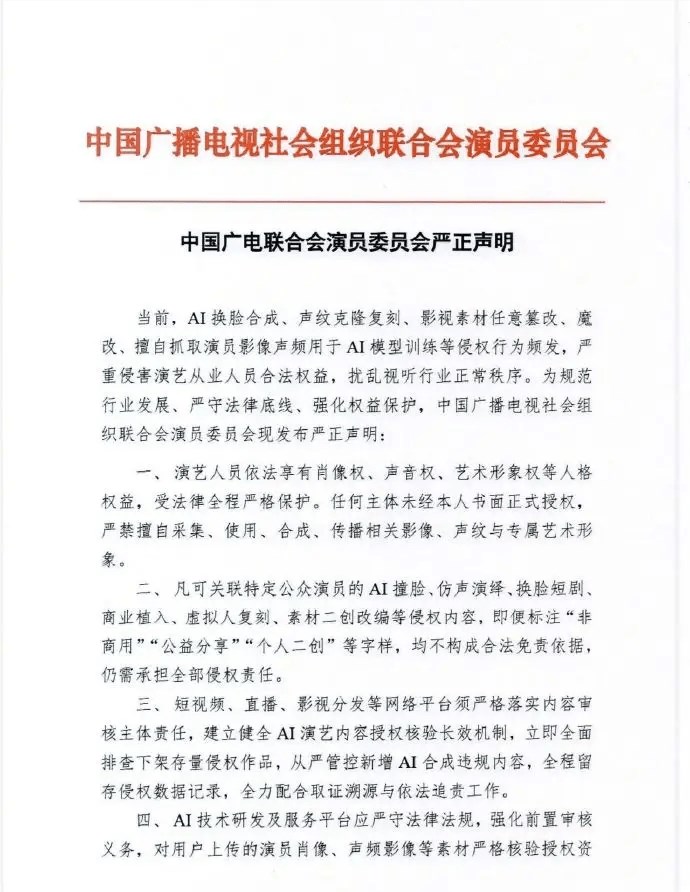
AI Drama Pulled After Using Faces Without Consent

AI-Generated Drama Sparks Controversy Over Digital Face Theft

Hongguo Short Drama made headlines this week by pulling the plug on "The Peach Hairpin," an AI-produced series accused of using real people's likenesses without consent. The platform also suspended the production company for 15 days following complaints from multiple influencers.

The Backstory

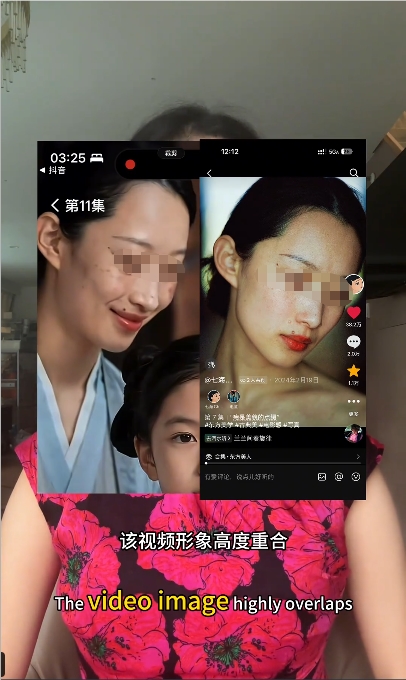
The controversy erupted when fashion blogger Bai Cai and model Qihai noticed something unsettling - their distinctive facial features appearing in the drama's characters. "It wasn't just similar," Bai Cai later posted, "it was like watching a digital clone of myself saying lines I never approved."

Platform administrators gave producers 72 hours to prove they had proper authorization for all visual elements. When no documentation surfaced, Hongguo took decisive action.

Why This Matters

Legal experts point to a crucial distinction in these cases: identifiability trumps generation method. "Whether a human artist or an AI created the image doesn't matter," explains intellectual property attorney Lin Wei. "If viewers can recognize a real person, that's potentially a violation."

The incident comes as generative AI tools become increasingly common in China's booming short drama industry, where production cycles are tight and budgets lean. While AI promises cost savings, this case shows the hidden expenses of cutting ethical corners.

Industry at a Crossroads

Content platforms now face mounting pressure to:

  • Strengthen pre-screening for AI-generated content
  • Develop clearer guidelines around digital likenesses
  • Implement faster response systems for rights complaints

"We're entering uncharted territory," notes media analyst Zhang Rui. "The technology moves faster than regulations, so platforms must proactively set standards before more creators get burned."

For viewers and creators alike, this serves as a wake-up call about the blurred lines between inspiration and appropriation in the digital age.

Key Points:

  • Immediate action: Hongguo removed the series and suspended upload privileges for the production company
  • Core issue: AI-generated content that clearly replicates real people's appearances without consent violates privacy rights
  • Industry impact: Platforms are tightening AI content reviews amid growing ethical concerns
  • Legal perspective: Identifiability determines infringement, regardless of whether AI or humans created the likeness
Enjoyed this article?

Subscribe to our newsletter for the latest AI news, product reviews, and project recommendations delivered to your inbox weekly.

Weekly digestFree foreverUnsubscribe anytime

Related Articles

Model's Face Stolen by AI in Controversial Drama
News

Model's Face Stolen by AI in Controversial Drama

Fashion model Qihai Christ is fighting back after discovering her likeness was digitally inserted into a villain role in the popular short drama 'Peach Hairpin' without her consent. The unauthorized AI face-swapping has damaged her professional reputation and sparked legal action. This case highlights growing concerns about the ethical use of deepfake technology in entertainment.

April 2, 2026
AI ethicsdigital rightsentertainment law
China's Broadcast Industry Cracks Down on AI-Generated Celebrity Impersonations
News

China's Broadcast Industry Cracks Down on AI-Generated Celebrity Impersonations

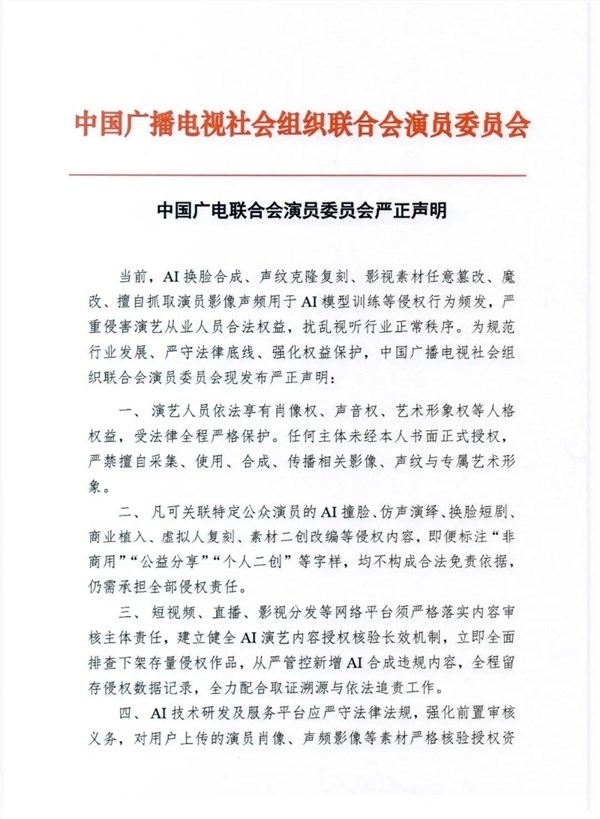
China's entertainment industry is taking a stand against unauthorized AI impersonations of actors. The China Radio and Television Association has issued strict new rules banning face-swapping and voice cloning without explicit permission. Platforms must now verify content authenticity, while the association pledges to monitor and remove infringing material. This move highlights growing concerns about digital identity protection in the age of advanced AI technologies.

April 3, 2026
AI regulationdigital rightsentertainment industry
News

WeChat Cracks Down on AI-Altered Videos, Removes 3,800 Clips

WeChat has intensified its crackdown on AI-modified videos that distort classic works and historical figures. The platform removed 3,800 violating clips and banned one account after finding content that twisted TV dramas, animated characters, and historical narratives. This move follows national guidelines to protect minors and maintain online order. WeChat urges creators to exercise self-discipline as it enhances its content moderation capabilities.

April 2, 2026
content moderationAI ethicsdigital safety
China's Entertainment Industry Cracks Down on Unauthorized AI Manipulation of Performers
News

China's Entertainment Industry Cracks Down on Unauthorized AI Manipulation of Performers

China's entertainment industry is taking a stand against the growing misuse of AI technology. The Actors Committee has issued a firm statement banning unauthorized face-swapping, voice cloning, and other digital manipulations of performers' likenesses. This comes as voice actors and celebrities increasingly find their digital identities being hijacked by cheap AI tools. The new guidelines clarify legal responsibilities and require platforms to implement better content verification systems.

April 2, 2026
AI regulationentertainment industrydigital rights
News

Zhou Shen Takes a Stand: New Song Blocks AI Voice Cloning

Chinese singer Zhou Shen has made waves by embedding a bold copyright notice in his latest release 'Moon Chronicle.' The track explicitly prohibits AI training and voice cloning, setting a new precedent for artist rights in the digital age. This move comes as musicians worldwide grapple with the ethical dilemmas posed by AI-generated music. Industry experts see this as a landmark case that could shape future copyright standards for human-AI collaboration in creative fields.

April 2, 2026
AI ethicsmusic copyrightvoice cloning
News

AI Drama Faces Backlash Over Alleged Face Theft from Public Photos

A Red Fruit short drama is under fire for allegedly using AI to steal ordinary people's faces without consent. The controversy erupted when a social media user recognized their photo being used in the production. Industry experts warn this highlights growing legal gray areas as AI technology outpaces regulation, with many celebrities also falling victim to unauthorized face-swapping videos.

March 31, 2026
AI ethicsDigital rightsEntertainment law