WeChat Cracks Down on AI-Altered Videos, Removes 3,800 Clips

WeChat Tightens Grip on AI-Generated Video Content

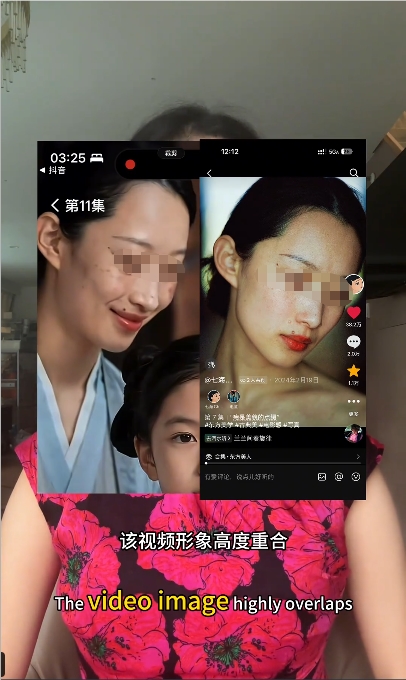
In its latest push to clean up digital content, WeChat has taken decisive action against AI-altered videos that manipulate classic films, historical narratives, and children's animations. The platform's recent announcement reveals it has removed 3,800 problematic videos and suspended one account in March 2026 alone.

The Crackdown Details

The sweeping enforcement targets three main categories of concerning content:

  • Classic Works Under Fire: Beloved shows like Romance of the Three Kingdoms and Water Margin have been digitally twisted beyond recognition, with characters rewritten and plots subverted in ways that challenge cultural values.
  • History Rewritten: Disturbing edits have reshaped stories about national heroes and historical events, potentially misleading young viewers about their heritage.
  • Childhood Icons Turned Dark: Familiar cartoon characters have been digitally transformed into nightmare fuel through horror-themed makeovers.

"We're seeing content that doesn't just push boundaries—it smashes through them," explains a WeChat spokesperson. "When classic heroes become villains or children's favorites turn terrifying, we have to draw the line."

Why This Matters Now

The crackdown comes as Chinese regulators heighten scrutiny over AI's role in content creation. Recent guidelines from the National Radio and Television Administration specifically address concerns about technology being weaponized to undermine cultural touchstones.

Parents and educators have welcomed the move. "My ten-year-old stumbled upon one of these distorted animations," shares Beijing resident Li Wei. "He had nightmares for weeks. Platforms need to protect kids from this digital vandalism."

Behind the Scenes: How WeChat Spots Fakes

The platform has significantly upgraded its detection systems:

  1. AI Watchdogs: Advanced algorithms now flag suspicious alterations in familiar content.
  2. Human Oversight: Moderators review borderline cases where context matters most.
  3. User Reports: A streamlined process lets viewers flag concerning videos directly.

What's Next?

WeChat promises ongoing updates to its moderation tools while calling on creators to self-regulate. "Technology should uplift culture, not undermine it," their statement concludes.

Key Points:

  • 3,800+ videos removed in March 2026 campaign
  • Focus on protecting historical narratives and children's content
  • New detection systems combine AI scanning with human review
  • Platform urges creators to practice responsible innovation
Enjoyed this article?

Subscribe to our newsletter for the latest AI news, product reviews, and project recommendations delivered to your inbox weekly.

Weekly digestFree foreverUnsubscribe anytime

Related Articles

News

Zhou Shen Takes a Stand: New Song Blocks AI Voice Cloning

Chinese singer Zhou Shen has made waves by embedding a bold copyright notice in his latest release 'Moon Chronicle.' The track explicitly prohibits AI training and voice cloning, setting a new precedent for artist rights in the digital age. This move comes as musicians worldwide grapple with the ethical dilemmas posed by AI-generated music. Industry experts see this as a landmark case that could shape future copyright standards for human-AI collaboration in creative fields.

April 2, 2026
AI ethicsmusic copyrightvoice cloning
Model's Face Stolen by AI in Controversial Drama
News

Model's Face Stolen by AI in Controversial Drama

Fashion model Qihai Christ is fighting back after discovering her likeness was digitally inserted into a villain role in the popular short drama 'Peach Hairpin' without her consent. The unauthorized AI face-swapping has damaged her professional reputation and sparked legal action. This case highlights growing concerns about the ethical use of deepfake technology in entertainment.

April 2, 2026
AI ethicsdigital rightsentertainment law
News

AI Drama Faces Backlash Over Alleged Face Theft from Public Photos

A Red Fruit short drama is under fire for allegedly using AI to steal ordinary people's faces without consent. The controversy erupted when a social media user recognized their photo being used in the production. Industry experts warn this highlights growing legal gray areas as AI technology outpaces regulation, with many celebrities also falling victim to unauthorized face-swapping videos.

March 31, 2026
AI ethicsDigital rightsEntertainment law
News

OpenClaw Founder Predicts 2026 as the Dawn of True AI Assistants

The founder of open-source AI project OpenClaw has made waves by declaring 2026 the year when AI transforms from simple chatbots into capable digital colleagues. These 'general AI agents' could soon handle complex workflows, manage schedules, and operate software independently - potentially reshaping how we work. While the technology shows promise, experts are grappling with crucial questions about security and ethical boundaries as AI gains more autonomy.

March 31, 2026
AI evolutionFuture of workDigital transformation
Claude Pro Subscriptions Soar as Users Flock to Anthropic's Safety-First AI
News

Claude Pro Subscriptions Soar as Users Flock to Anthropic's Safety-First AI

Anthropic's Claude AI is seeing explosive growth in paid subscriptions, doubling its user base this year. The surge comes amid controversy over military AI use and the release of powerful new tools like Claude Code and autonomous 'Computer Use' features. While still trailing OpenAI in total users, Anthropic is carving out a premium niche with its strong safety stance and developer-focused innovations.

March 30, 2026
AI subscriptionsAnthropicClaude Pro
News

Wikipedia Draws the Line: No More AI-Generated Content Allowed

Wikipedia has officially banned the use of large language models to create or rewrite articles, marking a decisive shift from its previous ambiguous stance. The new policy, supported by an overwhelming 40-2 vote from the editing community, aims to protect the encyclopedia's accuracy and reliability. While AI can still assist with basic editing suggestions and translations under strict guidelines, any content introducing new facts or viewpoints generated by AI is strictly prohibited. The move reflects growing concerns about AI hallucinations and misinformation undermining Wikipedia's reputation as a trusted knowledge source.

March 27, 2026
Wikipedia policyAI restrictionscontent moderation