Yuqi Tech Returns to Spring Festival Gala with Cutting-Edge Robot Show

Yuqi Tech Set to Dazzle Again at 2026 Spring Festival Gala

China's robotics scene is gearing up for another spectacular showcase as Yuqi Technology confirms its return to the CCTV Spring Festival Gala stage in 2026. This marks the company's third appearance at China's most-watched televised event, cementing its reputation as a pioneer in robotic entertainment.

A History of Show-Stopping Performances

Yuqi first captured national attention during the 2021 Ox Year celebration when their quadruped robot "Bennben" amazed viewers with its fluid movements and synchronized group choreography. Who could forget those mechanical creatures leaping across the stage with uncanny precision?

The company raised the bar even higher in 2025 under renowned director Zhang Yimou's guidance. Their humanoid "Yan BOT" performance wasn't just technically impressive—it blurred the lines between technology and art, demonstrating how robots could convey emotion through movement.

Image

What to Expect in 2026

While Yuqi remains tight-lipped about specific details for their Horse Year performance, insiders suggest we can anticipate:

  • Immersive interactions that break traditional performer-audience barriers
  • Cutting-edge technologies that haven't been seen in commercial applications
  • A visual spectacle leveraging China's latest advancements in embodied intelligence

The selection process for Spring Festival Gala partners is notoriously competitive, making Yuqi's repeated success particularly noteworthy. It speaks volumes about both their technical capabilities and their ability to translate complex robotics into crowd-pleasing entertainment.

Commercial Success Meets Cultural Impact

Beyond the glitz of television performances, Yuqi has quietly built an impressive commercial track record. Their high shipment volumes and successful real-world implementations have positioned them among global leaders in humanoid robotics.

This latest partnership serves as more than just another performance opportunity—it's recognition of Chinese manufacturers' growing influence in shaping the future of intelligent robotics worldwide.

Key Points:

  • Third appearance at Spring Festival Gala since 2021 debut
  • Previous performances showcased quadruped (2021) and humanoid (2025) robots
  • Global recognition of China's robotics advancements
  • Commercial viability demonstrated through high shipment volumes
  • Cultural bridge between technology and traditional celebrations
Enjoyed this article?

Subscribe to our newsletter for the latest AI news, product reviews, and project recommendations delivered to your inbox weekly.

Weekly digestFree foreverUnsubscribe anytime

Related Articles

Robots gain human-like vision with breakthrough depth perception model
News

Robots gain human-like vision with breakthrough depth perception model

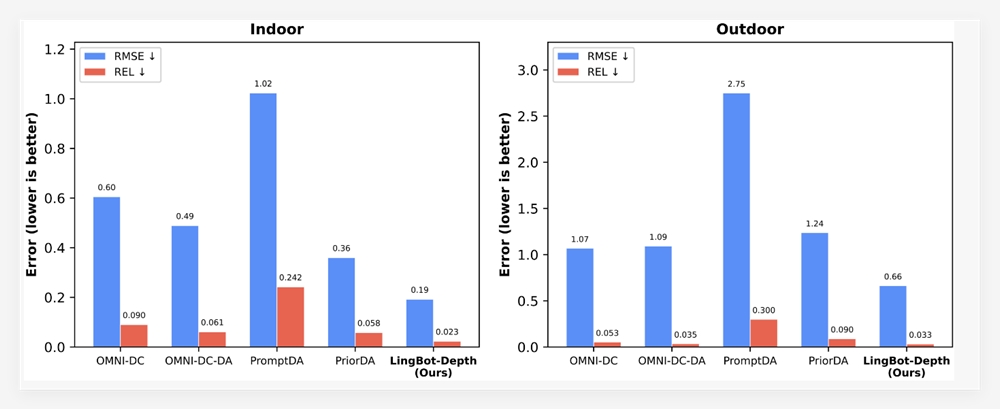
Ant Group's Lingbo Technology has unveiled LingBot-Depth, an open-source spatial perception model that gives robots remarkable accuracy in handling tricky transparent and reflective objects. The technology outperforms existing solutions by up to 70% in some tests, potentially revolutionizing how machines interact with glassware, mirrors and other challenging surfaces in homes and factories.

January 27, 2026
RoboticsComputerVisionAIInnovation
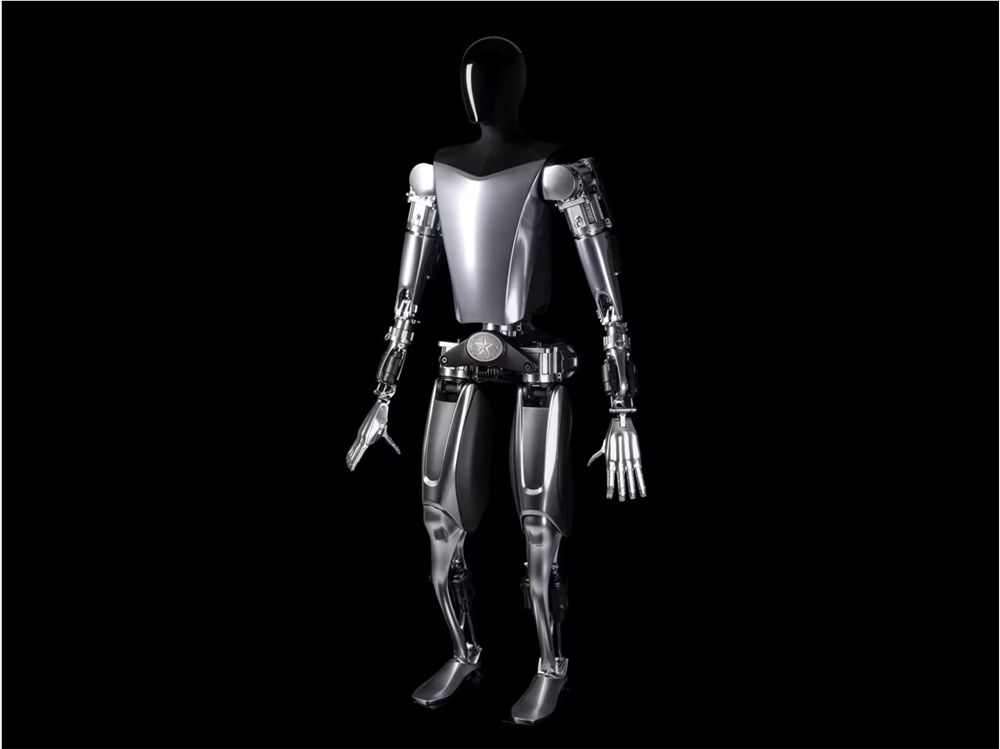
Musk's Davos Surprise: Tesla Robots Could Be in Homes by 2027
News

Musk's Davos Surprise: Tesla Robots Could Be in Homes by 2027

Elon Musk made waves at Davos with a bold prediction - Tesla's Optimus robots will be ready for household use by late 2027. While currently handling simple factory tasks, Musk envisions these humanoid assistants caring for kids and elders within three years. But experts caution about production challenges and unanswered questions about real-world performance.

January 23, 2026
TeslaRoboticsAI
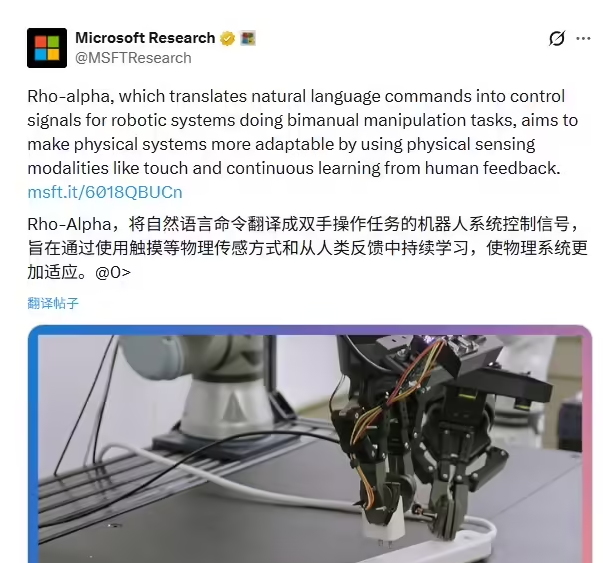
Microsoft's Rho-alpha Brings Robots Closer to Human-Like Abilities
News

Microsoft's Rho-alpha Brings Robots Closer to Human-Like Abilities

Microsoft has unveiled its Rho-alpha AI model, marking a significant leap in robotic capabilities. Unlike traditional industrial robots confined to predictable environments, Rho-alpha enables machines to navigate complex real-world scenarios with human-like adaptability. The model integrates natural language understanding with tactile feedback, allowing robots to respond dynamically to verbal commands and physical interactions. What sets it apart is its continuous learning system - operators can correct mistakes in real-time, helping robots refine their skills through a combination of simulation data and actual experience.

January 22, 2026
RoboticsAI InnovationMicrosoft Research
Robots Get Nervous Too: Ethernovia Raises $90M to Build AI's Fastest Nerve Network
News

Robots Get Nervous Too: Ethernovia Raises $90M to Build AI's Fastest Nerve Network

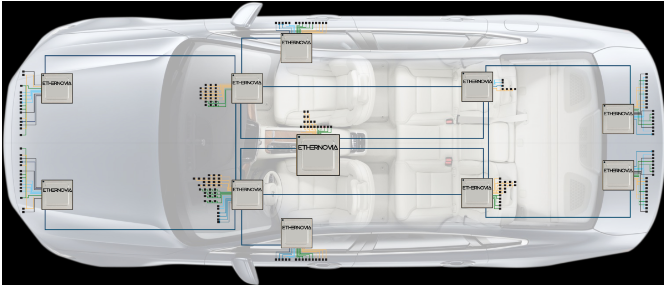
Silicon Valley startup Ethernovia just secured $90 million to develop what could become the nervous system for next-gen robots and self-driving cars. Their breakthrough? Lightning-fast ethernet chips that process sensor data faster than ever before. With backers like Porsche and Qualcomm jumping in, this funding signals a major shift - investors are now betting big on the physical hardware that makes advanced AI actually work in the real world.

January 21, 2026
AI HardwareRoboticsAutonomous Vehicles
News

Unitree Robotics Secures Humanoid Robot Patent Amid Market Expansion

Chinese robotics firm Unitree Robotics has been granted a design patent for its versatile humanoid robot, signaling its push into commercialization. The patent highlights modular design features adaptable for industrial, domestic, and even space applications. Backed by major investors including Sequoia Capital China, the company has boosted its registered capital to 360 million yuan as it positions itself in the growing humanoid robotics market.

January 20, 2026
RoboticsTech InnovationArtificial Intelligence
News

Skild AI's $14B Leap: SoftBank and NVIDIA Bet Big on Robot Brains

Pittsburgh-based Skild AI just landed a whopping $1.4 billion investment, catapulting its valuation to $14 billion. Tech heavyweights like SoftBank and NVIDIA are betting big on the company's vision to create a universal 'brain' for robots—one that could teach machines to adapt rather than just follow scripts. Imagine robots that learn household chores by watching videos, then apply those skills whether they're humanoid helpers or industrial arms.

January 16, 2026
Artificial IntelligenceRoboticsTech Investment