

Robots Get Nervous Too: Ethernovia Raises $90M to Build AI's Fastest Nerve Network
The Hardware Revolution Behind Smarter Robots
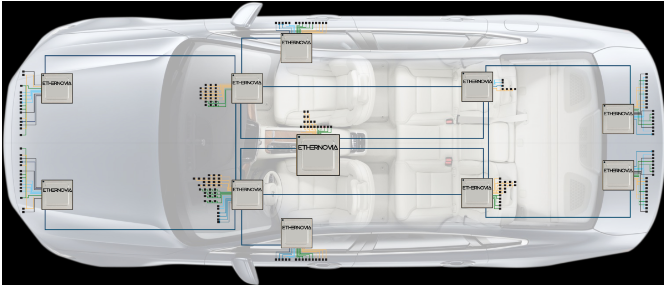
Move over, ChatGPT - the next AI frontier is getting physical. While most attention focuses on flashy algorithms, Silicon Valley's Ethernovia just reminded us that even the smartest AI needs serious hardware muscle. The semiconductor startup's $90 million Series B haul reveals where savvy investors are placing their bets: the unsung heroes building AI's physical nervous system.
Why Nerves Matter More Than Brains
Imagine teaching a robot to catch a ball. The software might be brilliant, but if its "nerves" can't relay sensor data fast enough? That catch becomes a miss every time. Ethernovia's specialty - ultra-fast ethernet processors - solves exactly this bottleneck.
These chips act like hypercharged nerve fibers:
- Instant Data Gathering: Scooping up information from hundreds of car or robot sensors simultaneously
- Blink-and-You-Miss-It Speed: Shooting data to central computers with near-zero lag (we're talking milliseconds)
"It's like upgrading from dial-up to fiber optic," explains tech analyst Maria Chen. "Suddenly your AI doesn't just think fast - it reacts fast enough for real-world tasks."
Big Names Backing Physical AI
The funding round, led by Maverick Silicon (a first-time industry fund from hedge fund giant Maverick Capital), reads like a who's who of tech and auto heavyweights:
- Porsche SE: Betting on smarter, better-connected vehicles
- Qualcomm Ventures: Expanding beyond mobile into robotics infrastructure
The message is clear: after years of algorithm obsession, Silicon Valley remembers that intelligence needs infrastructure.
What This Means for Tomorrow's Tech
The implications stretch far beyond today's prototypes:
- Safer Self-Driving Cars: Faster nerve networks mean quicker reactions to unexpected hazards
- More Dexterous Robots: Industrial bots could handle delicate tasks requiring split-second adjustments
- Smarter Factories: Entire production lines communicating seamlessly in real time
The race isn't just about thinking machines anymore - it's about building machines that can keep up with their own thoughts.