Meta Bets Big on Homegrown AI Chips Through 2027
Meta's Ambitious Plan to Reshape Its AI Hardware Future
In a bold move that could reshape the artificial intelligence landscape, Meta is accelerating development of its own AI chips through 2027. The company plans to deploy four generations of custom processors designed specifically for its growing AI needs.
The Chip Roadmap Unveiled
The tech giant's internal chip program has already produced tangible results:
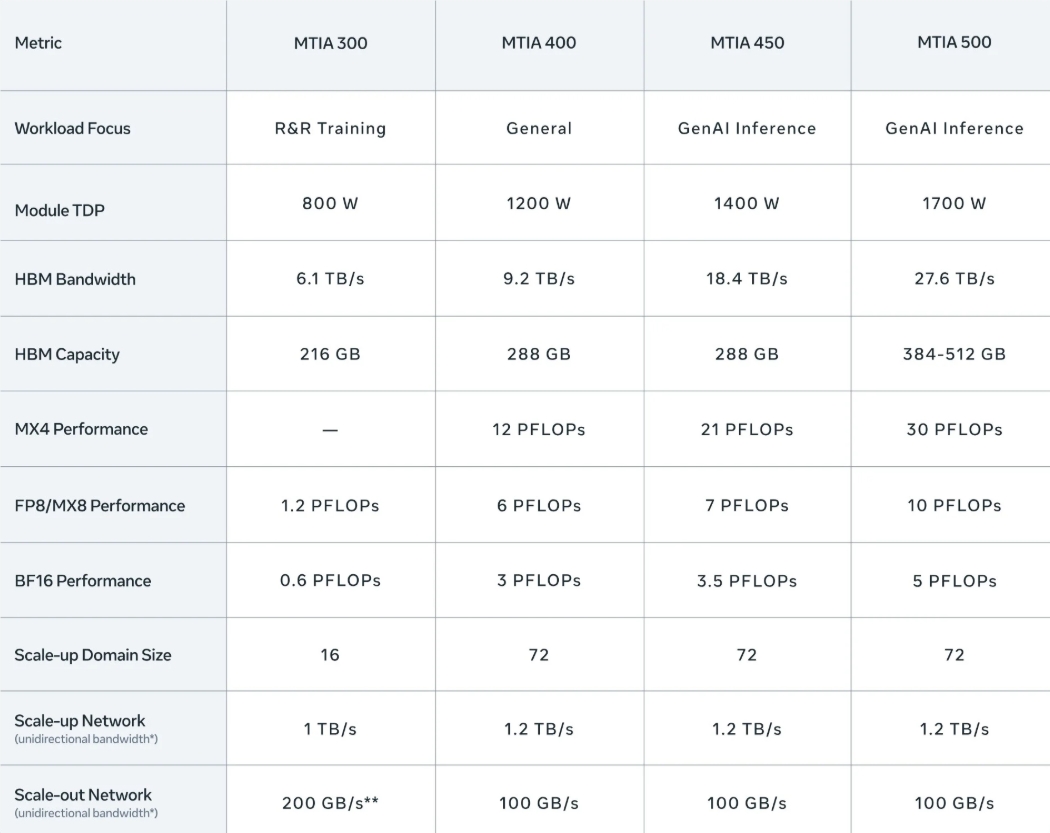
- MTIA 300: Currently in mass production, focusing on content sorting and recommendation algorithms
- MTIA 400 ("Iris"): Recently cleared lab tests and entering deployment phase
- MTIA 450 ("Alce"): Scheduled for release in early 2027
- MTIA 500 ("Astrid"): Expected late 2027 rollout
This aggressive timeline shows Meta isn't just dabbling in hardware - they're building an entire ecosystem.
Why Go Custom When Nvidia Dominates?
The answer lies in specialization. While Meta remains one of Nvidia's largest customers, their leadership recognizes that general-purpose GPUs often include unnecessary features for specific tasks like Instagram feed ranking or generative AI inference.
"We're not abandoning external suppliers," explains a company insider. "But custom chips let us strip away what we don't need while optimizing for our exact requirements."
The financial implications are significant too. Though developing proprietary chips requires billions upfront, Meta calculates the long-term efficiency gains will outweigh those costs.
Building the Talent Pipeline
To support this ambitious project, Meta has been aggressively recruiting chip engineers and acquiring startups like Rivos. Their goal? Create a self-sustaining hardware division that can keep pace with rapid advances in AI algorithms.
Yet challenges remain:
- Typical chip development cycles span two years
- Engineering hurdles multiply with each new generation
- Balancing innovation with reliability requires careful planning
The company acknowledges these obstacles but believes the potential rewards justify the risks.
Key Points:
- Dual-track strategy: Meta continues buying GPUs while developing custom chips
- Specialization focus: Removing unused features boosts efficiency
- Long-term vision: Investments today aim to secure competitive advantage tomorrow
- Talent acquisition: Strategic hires and acquisitions fuel hardware ambitions