
Meta Takes on NVIDIA with Powerful New AI Chip

Meta Steps Up Its AI Game with Custom Chip

In a bold move to reduce dependence on external suppliers, Meta has launched its third-generation AI accelerator chip - the MTIA3. Internal tests suggest this homegrown solution might just give NVIDIA's industry-leading H100 a run for its money when handling specific workloads.
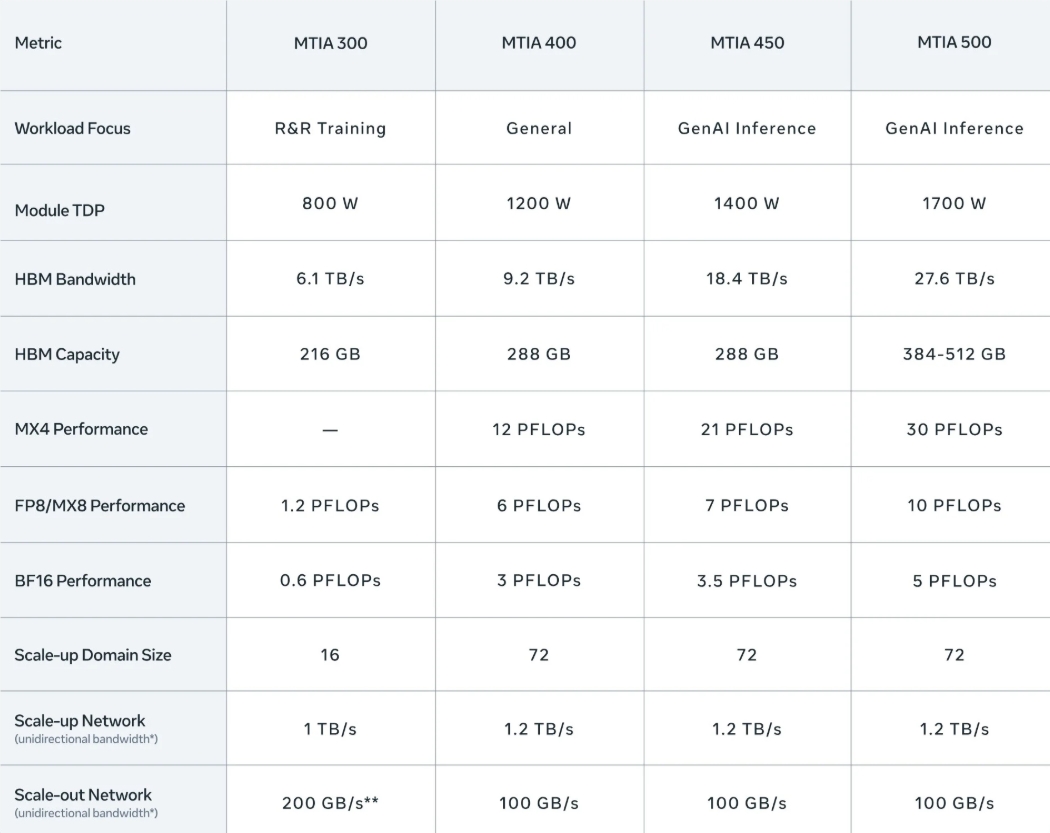
Image

Built for Social Media's Demands

Unlike NVIDIA's general-purpose GPUs, Meta's chip takes a specialized approach. Engineers designed it specifically to power:

  • Facebook and Instagram's recommendation engines
  • Real-time processing for Meta's Llama AI models

The payoff? Dramatic energy savings - the chip consumes far less power than off-the-shelf alternatives when crunching through massive recommendation algorithms. It also packs more computing punch into each server rack thanks to clever memory and connectivity improvements.

Why Going In-House Matters

While Meta still buys plenty of NVIDIA hardware, this development reveals their long-term strategy:

  1. Cost control: Building their own chips could save billions in infrastructure costs over time
  2. Performance tuning: Tight integration with PyTorch gives Meta an edge in deploying new AI features quickly
  3. Supply chain security: With global chip shortages becoming routine, self-reliance offers insurance against disruptions

"This isn't just about saving money," explains one industry analyst. "It's about controlling their destiny in the AI race."

The Bigger Picture: Tech Giants as Chipmakers

Meta isn't alone in this trend. Across Silicon Valley, software companies are moving into hardware development:

  • Google has its TPU processors
  • Amazon designs chips for AWS
  • Microsoft reportedly has secret silicon projects too

The message is clear: as AI becomes central to business success, tech leaders want custom hardware that fits their exact needs.

Yann LeCun, Meta's chief scientist, puts it bluntly: "You can't reach artificial general intelligence using someone else's chips." With MTIA3 entering mass production, Meta plans to shift most AI inference tasks to its own platform within a year - a transition that could significantly alter the balance of power in AI infrastructure.

Key Points:

  • MTIA3 shows better efficiency than NVIDIA H100 for certain workloads
  • Specialized design targets social media recommendations and AI models
  • Part of broader trend of tech companies developing custom silicon
  • Could reduce Meta's reliance on external chip suppliers long-term

Enjoyed this article?

Subscribe to our newsletter for the latest AI news, product reviews, and project recommendations delivered to your inbox weekly.

Weekly digestFree foreverUnsubscribe anytime

Related Articles

News

NVIDIA's Nemotron 3 Super shakes up AI with open-source power rivaling GPT-5.4

NVIDIA has unleashed Nemotron 3 Super, a groundbreaking open-source AI model that's turning heads with performance nearing top closed-source alternatives. This 120-billion-parameter beast combines innovative architecture with remarkable efficiency, delivering triple the speed of previous models. Already adopted by major tech players, it promises to democratize high-performance AI while optimizing for NVIDIA's latest hardware.

March 12, 2026
AI innovationopen-source AINVIDIA
News

Meta Bets Big on Homegrown AI Chips Through 2027

Meta is making a massive push into custom AI chip development, planning to roll out four generations of its own processors by late 2027. The social media giant aims to reduce reliance on Nvidia while maintaining its position as one of the world's biggest GPU buyers. Their chip roadmap includes specialized processors for content recommendations and generative AI, signaling a strategic shift toward hardware-software integration.

March 12, 2026
MetaAI HardwareSemiconductors
News

NVIDIA Bets Big: $26 Billion Push Into Open AI Models

NVIDIA is making its biggest play yet beyond hardware, committing $26 billion to develop open-weight AI models. This strategic shift positions the chipmaker to compete directly with clients like OpenAI while strengthening its ecosystem. Their Nemotron 3 Super model already shows promise, outperforming rivals in benchmarks. The move signals NVIDIA's ambition to dominate AI from chips to algorithms.

March 12, 2026
NVIDIAAI StrategyOpen-Source Models
Meta snaps up AI social platform Moltbook in race for agent ecosystem
News

Meta snaps up AI social platform Moltbook in race for agent ecosystem

Meta has acquired Moltbook, a Reddit-like platform where AI agents interact and collaborate. The deal brings Moltbook's founders into Meta's Superintelligence Lab, along with their crucial identity verification technology. While financial details remain undisclosed, the move signals Meta's push to lead in developing standards for AI agent cooperation - a key battleground as tech giants shift from single models to interconnected ecosystems.

March 11, 2026
MetaAI AgentsTech Acquisitions
News

Meta Buys AI Social Network Moltbook in Bold Move Toward Robot-First Platforms

Meta has acquired Moltbook, a Reddit-like platform where AI agents - not humans - dominate conversations. The sci-fi-esque social network lets robots post, comment, and debate autonomously. While raising eyebrows with AI 'secret meetings,' security flaws allowed human impersonators to infiltrate. Meta plans to strengthen its AI infrastructure through the acquisition as tech giants race to control emerging agent ecosystems.

March 11, 2026
MetaAI Social NetworksEmerging Technology
News

Lei Jun's Vision: Self-Driving Cars and Smart Robots Set to Transform Our Future

Xiaomi founder Lei Jun has unveiled ambitious tech proposals at China's Two Sessions, predicting 2026 will be a breakthrough year for autonomous vehicles and intelligent robots. His plans call for updated safety standards as cars become smarter, while humanoid robots could soon join factory workforces. These innovations promise to reshape industries and daily life, though challenges remain in bringing them to mass production.

March 9, 2026
autonomous vehiclesartificial intelligencerobotics