Arduino's New Powerhouse: VENTUNO Q Brings Edge AI to Life
Arduino Unveils Game-Changing Edge AI Board
Just ahead of Embedded World, Arduino dropped what might be their most significant release yet - the VENTUNO Q. Named after the Italian word for "21" (ventuno), this board celebrates Arduino's 21st anniversary while pushing edge computing into new territory.
Qualcomm Muscle Under the Hood
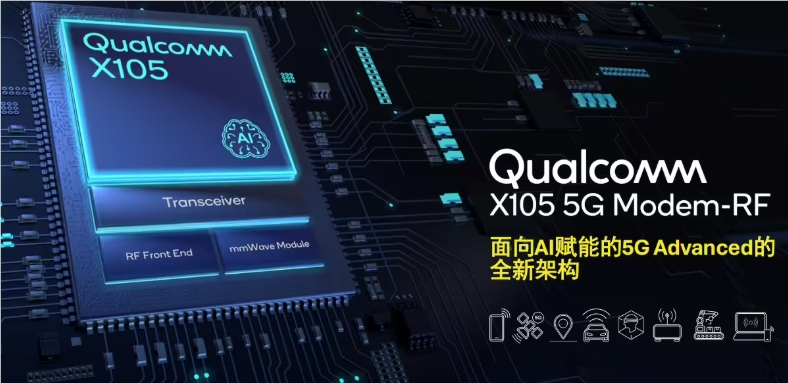
The VENTUNO Q isn't your typical microcontroller. At its core lies Qualcomm's Dragonwing IQ-8275 processor, delivering a staggering 40 TOPS of computing power through its NPU acceleration. Paired with 16GB of memory, this means developers can now run complex language and vision models entirely offline - no cloud required.
What makes this board particularly interesting is its dual-brain approach. Alongside the main processor sits an STM32H5 microcontroller dedicated solely to motion control tasks. It's like having both a brilliant strategist and lightning-fast reflexes in one package.
Real-World Applications Come Alive
The VENTUNO Q opens doors to applications we could only imagine before:
- Smart interactive terminals that understand gestures and respond naturally without internet access
- Service robots capable of recognizing their owners and navigating spaces autonomously
- Industrial inspection systems that spot microscopic defects right on the factory floor
The board shines brightest in scenarios where latency matters or internet connectivity can't be guaranteed.
Developer-Friendly Ecosystem
Arduino knows makers hate wrestling with development environments. Their new Arduino App Lab supports both traditional sketches and Python scripts, running on Ubuntu/Debian foundations for maximum compatibility.
The board doesn't skimp on connectivity either - supporting CAN-FD, ROS 2, and Raspberry Pi HAT standards out of the box. It's essentially designed as "the brain for moving machines," scheduled for release later this year.
Key Points:
- 40 TOPS processing power enables complex AI models to run locally
- Dual-core architecture separates thinking from motion control
- 16GB memory handles demanding edge computing tasks
- Unified development environment reduces setup headaches
- Wide hardware compatibility connects seamlessly with existing maker ecosystems