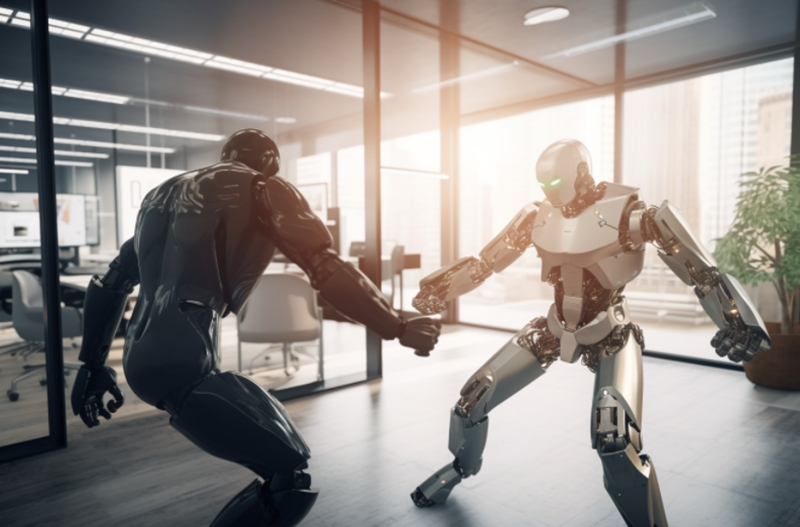
Unitree Robotics Secures Humanoid Robot Patent Amid Market Expansion

Unitree Robotics Makes Strategic Move with New Humanoid Robot Patent

In a significant development for China's robotics sector, Hangzhou-based Unitree Robotics has secured official authorization from the State Intellectual Property Office for its humanoid robot design. The January 20 approval comes as industry analysts predict substantial growth in the humanoid robotics market.

Designed for Diverse Applications

The patented design focuses on modular construction and streamlined aesthetics, allowing for future hardware upgrades and functional expansions. What makes this robot stand out is its intended versatility - engineers have developed a single platform capable of handling everything from heavy industrial tasks to delicate home assistance scenarios.

"This isn't just another factory robot," explains robotics analyst Li Wei. "Unitree appears to be building what could become the Swiss Army knife of humanoids - equally at home assembling machinery or serving tea."

Strong Financial Backing

The eight-year-old company counts several heavyweight investors among its shareholders:

  • Hanhai Information Technology (Meituan subsidiary)
  • Sequoia Capital China
  • Shunwei Capital

This impressive roster helps explain how Unitree has grown its registered capital to 360 million RMB. The funding boost comes at a crucial time, as IDC forecasts suggest 2026 could be a breakout year for humanoid robotics adoption.

Market Positioning

While competitors focus on specialized applications, Unitree's patent documents reveal ambitions spanning multiple sectors:

  • Industrial production lines requiring endurance
  • Customer service roles demanding precision
  • Domestic assistance needing emotional intelligence
  • Even extreme environments like space exploration

The company's approach mirrors trends seen in smartphone evolution - creating a standardized platform that developers can customize rather than building purpose-specific devices.

What This Means Going Forward

The patent approval provides more than legal protection; it serves as validation of Unitree's technical capabilities during a period of intense competition. With manufacturing giants and startups alike racing to dominate the humanoid space, intellectual property portfolios are becoming key differentiators.

The modular design philosophy suggests Unitree plans frequent iterations rather than revolutionary redesigns - a strategy that could help control costs while allowing continuous improvement.

Key Points:

  • Unitree Robotics secures design patent covering versatile humanoid platform
  • Modular approach enables diverse applications from factories to homes
  • Company boosts registered capital to 360 million RMB with top-tier investors
  • Patent strengthens position ahead of predicted 2026 market expansion
  • Design emphasizes upgradability over fixed functionality
Enjoyed this article?

Subscribe to our newsletter for the latest AI news, product reviews, and project recommendations delivered to your inbox weekly.

Weekly digestFree foreverUnsubscribe anytime

Related Articles

News

LCK Star Roamer Silences AI Doubts With Stunning 93% Win Streak

When an account named '택배기사#한 진' tore through Korea's League of Legends ranked ladder with a jaw-dropping 93% win rate, players cried foul - surely this was AI at work. The truth proved more surprising: BRO mid-laner Roamer had simply entered god-tier form. His humble response? 'About 99% luck.' The revelation highlights the staggering skill gap between pros and regular players.

January 21, 2026
League of LegendsEsportsArtificial Intelligence
News

China's AI Narrows Gap with West to Just 6 Months, Says DeepMind Chief

At Davos 2026, DeepMind CEO Demis Hassabis revealed China's AI capabilities now trail Western counterparts by just six months—a significant narrowing from previous estimates. While praising Chinese achievements like the impressive DeepSeek R1 model, Hassabis noted the country still lags in breakthrough innovations. The discussion also touched on relaxed U.S. chip export policies and Google's push into embodied intelligence research.

January 21, 2026
Artificial IntelligenceDeepMindChina Tech
Musk and Altman Clash Over AI Safety Ahead of Legal Showdown
News

Musk and Altman Clash Over AI Safety Ahead of Legal Showdown

Tech titans Elon Musk and Sam Altman engaged in a heated public exchange, trading accusations about safety flaws in their respective AI products. Musk warned against ChatGPT's psychological risks, while Altman fired back with concerns about Tesla's Autopilot. The spat comes as OpenAI faces legal challenges from Musk over its transition to a for-profit model. With court proceedings looming, this battle highlights growing tensions in the AI industry.

January 21, 2026
Artificial IntelligenceTech IndustryLegal Disputes
News

Elon Musk's xAI loses third co-founder as Greg Yang steps down due to Lyme disease

Greg Yang, the Chinese-American mathematician and co-founder of Elon Musk's AI startup xAI, has resigned from his executive role after being diagnosed with Lyme disease. The Harvard-educated researcher revealed his immune system weakened under the intense workload, triggering symptoms of the tick-borne illness. Yang's departure marks the third high-profile exit from xAI's founding team in recent months, raising questions about stability at Musk's ambitious AI venture.

January 21, 2026
xAIElon MuskArtificial Intelligence
News

Microsoft's AI Chief Predicts Personal Digital Companions Within Five Years

Mustafa Suleyman, Microsoft's AI CEO, envisions a near future where AI evolves from mere tools to intimate personal companions. These digital partners will understand users' lives deeply, offering round-the-clock support and companionship. Microsoft's Copilot is already taking steps toward this vision with advanced personalization features.

January 21, 2026
Artificial IntelligenceMicrosoftFuture Technology
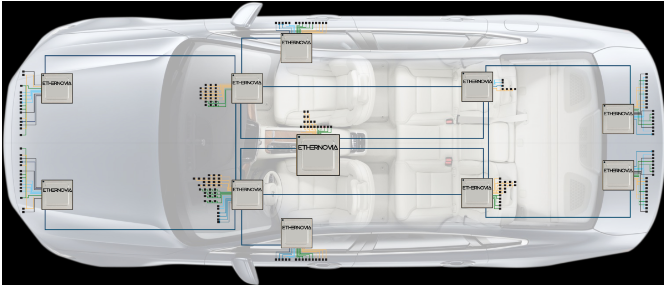
Robots Get Nervous Too: Ethernovia Raises $90M to Build AI's Fastest Nerve Network
News

Robots Get Nervous Too: Ethernovia Raises $90M to Build AI's Fastest Nerve Network

Silicon Valley startup Ethernovia just secured $90 million to develop what could become the nervous system for next-gen robots and self-driving cars. Their breakthrough? Lightning-fast ethernet chips that process sensor data faster than ever before. With backers like Porsche and Qualcomm jumping in, this funding signals a major shift - investors are now betting big on the physical hardware that makes advanced AI actually work in the real world.

January 21, 2026
AI HardwareRoboticsAutonomous Vehicles