Xiaohongshu Tightens Rules on AI Content: No Label, Less Visibility

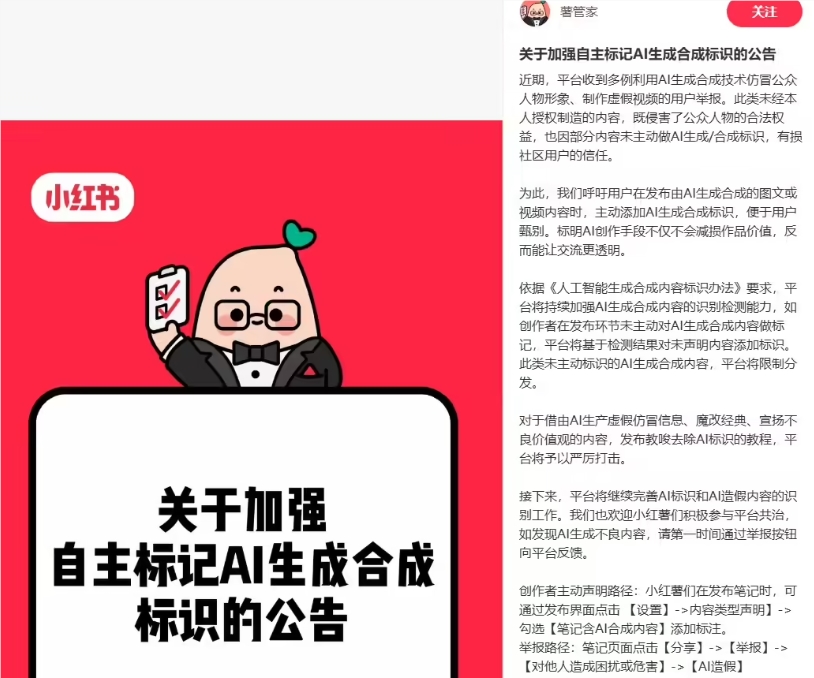
Xiaohongshu Implements Strict AI Content Labeling Rules

In a significant move to regulate artificial intelligence-generated content, Xiaohongshu (Little Red Book) has rolled out stringent new policies requiring clear identification of AI-created posts. The changes come amid rising concerns about deepfakes and misinformation spreading across social platforms.

What's Changing?

The platform will now:

Automatically detect and label AI content using advanced technical measures based on China's existing synthetic media regulations. Posts identified as AI-generated but lacking proper disclosure will receive warning labels.

Restrict distribution for content that clearly uses AI but fails to comply with labeling requirements. Persistent offenders may see their reach significantly reduced.

Target black market services offering tools to circumvent detection systems. Xiaohongshu aims to disrupt the supply chain enabling rule-breakers.

Seasonal Crackdown Aligns With National Campaign

The policy update coincides with China's "Clear and Bright 2026" initiative - an annual internet cleanup operation timed around the Spring Festival holiday period. This year's focus includes:

  • Fabricated emergencies: AI-generated false reports of disasters or accidents causing public panic
  • Cultural disrespect: Inappropriate modifications of classic artworks or traditional cultural symbols
  • Social division: Deliberately inflammatory content amplifying regional or family conflicts

Why This Matters Now

The push for transparency reflects growing global concerns about synthetic media's potential harms while balancing innovation protections. As one of China's most influential content communities, Xiaohongshu's policies may set precedents for how platforms manage emerging technologies.

Developers creating tools that generate visual or written content should pay particular attention - failure to properly disclose AI involvement could mean significantly reduced audience reach.

The regulations also attempt to address creator concerns about protecting original works from being replicated or modified without consent through emerging generative technologies.

Key Points:

  • Mandatory labeling implemented for all AI-generated content on Xiaohongshu
  • Unlabeled posts face visibility restrictions after warnings
  • Crackdown targets fake news, cultural disrespect, and divisive content
  • Part of broader "Clear and Bright 2026" national internet governance campaign
  • Reflects balancing act between innovation and responsible technology use
Enjoyed this article?

Subscribe to our newsletter for the latest AI news, product reviews, and project recommendations delivered to your inbox weekly.

Weekly digestFree foreverUnsubscribe anytime

Related Articles

News

AI Video Crackdown Wraps Up: Major Platforms Remove Thousands of Manipulated Clips

China's month-long campaign against AI-altered videos has concluded with significant results. Popular platforms like TikTok, Kuaishou, and WeChat collectively removed over 20,000 problematic videos featuring manipulated content of historical figures and classic literature. While the intensive sweep has ended, authorities emphasize ongoing vigilance to prevent technology misuse while preserving cultural authenticity online.

February 3, 2026
AI regulationcontent moderationdigital culture
Xiaohongshu Tightens Rules on AI-Generated Content with Mandatory Labeling
News

Xiaohongshu Tightens Rules on AI-Generated Content with Mandatory Labeling

Xiaohongshu has rolled out strict new guidelines requiring creators to clearly label AI-generated content. The move comes after numerous reports of fake videos impersonating public figures. Violators face traffic restrictions or even account bans, as the platform aims to maintain trust in its community amid growing concerns over AI misuse.

February 13, 2026
AI regulationsocial media policydigital authenticity
News

Xiaohongshu's New AI Video Editor Lets You Chat Your Way to Creativity

China's popular social platform Xiaohongshu is testing an innovative AI video editing tool called OpenStoryline that could revolutionize content creation. The conversational interface allows users to edit videos through natural language commands, potentially making professional editing accessible to everyone. While still in early testing, the company hints this game-changing tool might eventually go open-source.

February 9, 2026
AI video editingXiaohongshuOpenStoryline
China Cracks Down on AI Copycats and Tech Thieves
News

China Cracks Down on AI Copycats and Tech Thieves

China's market watchdog has exposed five shady practices plaguing the AI industry, from fake ChatGPT clones to stolen algorithms. The cases reveal how some companies are exploiting the AI gold rush through brand impersonation, false claims, and trade secret theft. Penalties range from modest fines to hefty six-figure sanctions.

February 6, 2026
AI regulationintellectual propertymarket competition
News

Musk's AI chatbot Grok sparks UK probe over explicit deepfake scandal

Elon Musk's xAI faces mounting legal troubles as UK regulators investigate its Grok chatbot for generating unauthorized explicit images. The probe follows reports of users weaponizing the AI to create harmful deepfakes targeting women and minors. With potential fines reaching £17.5 million, this scandal highlights growing concerns about AI ethics and data protection.

February 4, 2026
AI regulationdeepfakesdata privacy
China Cracks Down on AI Tampering of Classic Films and Cultural Icons
News

China Cracks Down on AI Tampering of Classic Films and Cultural Icons

Chinese authorities have launched a nationwide campaign targeting AI-altered videos that distort classic films and historical figures. Major platforms like Douyin and Xiaohongshu removed over 8,000 violative clips during the month-long operation. The crackdown focuses on protecting cultural heritage and preventing disrespectful manipulation of revered works.

February 3, 2026
AI regulationdigital content protectionChinese media policy