Xiaohongshu Tightens Rules on AI Content: Label It or Lose Visibility

Xiaohongshu Implements Strict AI Content Labeling Rules
Image

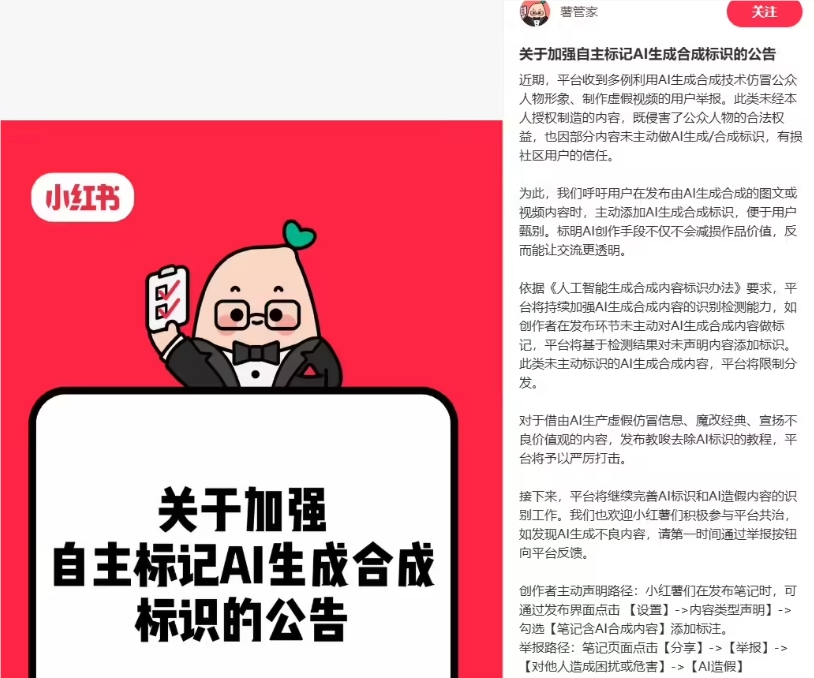
In a significant move to combat digital deception, Xiaohongshu has rolled out mandatory labeling requirements for all AI-generated content on its platform. The Chinese social media giant, often described as 'China's Instagram,' is taking a hard stance against the growing misuse of synthetic media.

Why This Matters Now

The decision follows numerous reports of creators using AI tools to produce convincing fake videos and images of public figures. These deepfakes aren't just violating privacy rights—they're eroding trust across the entire platform. Imagine scrolling through your feed only to wonder: Is this real or AI-generated? That's exactly the confusion Xiaohongshu wants to eliminate.

What Creators Need to Know

1. Mandatory Disclosure

Every piece of content containing AI-generated elements now requires an explicit label. The platform has built this declaration directly into the posting workflow—you'll see the option when uploading new content.

2. Automated Enforcement

Xiaohongshu isn't just relying on honest disclosures. Their detection algorithms will scan for telltale signs of AI manipulation. Get caught posting unlabeled synthetic content? Expect two consequences:

  • An automatic AI tag added by the system
  • Significant reduction in your post's reach

3. Zero Tolerance for Abuse

The rules get tougher for malicious cases:

  • Fake celebrity content: Immediate account suspension
  • Manipulated classic works: Removal plus penalties
  • Label-evasion tutorials: Permanent bans

The message is clear: Play by the rules or risk losing your platform presence entirely.

Behind the Policy Shift

This isn't just about compliance—it's about preserving what makes social media valuable. Authentic connections suffer when users can't distinguish reality from simulation. Xiaohongshu's move mirrors global trends, with platforms worldwide grappling with similar challenges as AI tools become more accessible.

The policy also serves as a protective measure for creators themselves. Proper labeling ensures ethical artists using AI tools appropriately won't get lumped in with bad actors.

Key Points at a Glance

  • Mandatory labeling for all AI-generated/synthetic content
  • Algorithmic detection will identify undeclared AI posts
  • Traffic penalties applied to violators through reduced distribution
  • Account bans for severe cases including fake celebrity content
  • Tutorial prohibition on methods to remove or bypass AI labels

Enjoyed this article?

Subscribe to our newsletter for the latest AI news, product reviews, and project recommendations delivered to your inbox weekly.

Weekly digestFree foreverUnsubscribe anytime

Related Articles

China Cracks Down on AI Copycats and Tech Thieves
News

China Cracks Down on AI Copycats and Tech Thieves

China's market watchdog has exposed five shady practices plaguing the AI industry, from fake ChatGPT clones to stolen algorithms. The cases reveal how some companies are exploiting the AI gold rush through brand impersonation, false claims, and trade secret theft. Penalties range from modest fines to hefty six-figure sanctions.

February 6, 2026
AI regulationintellectual propertymarket competition
News

Musk's AI chatbot Grok sparks UK probe over explicit deepfake scandal

Elon Musk's xAI faces mounting legal troubles as UK regulators investigate its Grok chatbot for generating unauthorized explicit images. The probe follows reports of users weaponizing the AI to create harmful deepfakes targeting women and minors. With potential fines reaching £17.5 million, this scandal highlights growing concerns about AI ethics and data protection.

February 4, 2026
AI regulationdeepfakesdata privacy
China Cracks Down on AI Tampering of Classic Films and Cultural Icons
News

China Cracks Down on AI Tampering of Classic Films and Cultural Icons

Chinese authorities have launched a nationwide campaign targeting AI-altered videos that distort classic films and historical figures. Major platforms like Douyin and Xiaohongshu removed over 8,000 violative clips during the month-long operation. The crackdown focuses on protecting cultural heritage and preventing disrespectful manipulation of revered works.

February 3, 2026
AI regulationdigital content protectionChinese media policy
News

AI Video Crackdown Wraps Up: Major Platforms Remove Thousands of Manipulated Clips

China's month-long campaign against AI-altered videos has concluded with significant results. Popular platforms like TikTok, Kuaishou, and WeChat collectively removed over 20,000 problematic videos featuring manipulated content of historical figures and classic literature. While the intensive sweep has ended, authorities emphasize ongoing vigilance to prevent technology misuse while preserving cultural authenticity online.

February 3, 2026
AI regulationcontent moderationdigital culture
News

Indonesia Lifts Ban on xAI's Grok Chatbot with Strings Attached

Indonesia has conditionally unblocked Elon Musk's Grok chatbot after it was banned for spreading deepfake images. The decision came after xAI outlined measures to prevent misuse. Authorities warn the ban could return if violations continue. The move follows similar restrictions in Southeast Asia over concerns about AI-generated explicit content targeting women and minors.

February 2, 2026
AI regulationDeepfakesxAI
Kuaishou cracks down: Over 5,000 AI-altered videos removed in cleanup
News

Kuaishou cracks down: Over 5,000 AI-altered videos removed in cleanup

Kuaishou has completed a month-long crackdown on AI-modified videos, removing over 5,500 pieces of content that violated platform rules. The popular short-video platform targeted inappropriate adaptations of classic works and animations that crossed ethical lines. While cleaning up existing violations, Kuaishou vows to strengthen ongoing monitoring of AI-generated content.

February 2, 2026
AI regulationcontent moderationshort video platforms