WeChat Purges 4,000 AI-Altered Videos Targeting Classics

WeChat Takes Stand Against AI-Generated Content Abuse

In its latest move to clean up problematic content, WeChat removed nearly 4,000 videos in February that used artificial intelligence to grotesquely alter classic films and animations. The purge comes amid growing concerns about how easily accessible AI tools are being weaponized to distort cultural heritage.

What Triggered the Crackdown?

The tipping point appears to be a flood of bizarre adaptations circulating on the platform - everything from slapstick versions of "Water Margin" characters to horror-themed makeovers of beloved cartoon figures. Some creators took particular delight in warping historical narratives and heroic tales in ways that platform moderators say could mislead younger audiences.

"We're seeing AI used not just for parody, but for what amounts to cultural vandalism," explained a WeChat spokesperson. "When someone turns Confucius into a meme or makes Sun Wukong look like a zombie, it crosses lines we can't ignore."

Three Strike Categories

The banned content fell into three clear patterns:

  1. Classic Defacement: Major literary works received crude digital makeovers that inverted their original meanings
  2. Historical Distortion: Respected figures from China's past were recast as buffoons or villains
  3. Childhood Corruption: Familiar animated characters became nightmare fuel through grotesque redesigns

The platform reports particular concern over content targeting minors, with some videos racking up millions of views before removal.

Long-Term Solutions Emerging

Rather than treating this as a one-time cleanup, WeChat is implementing permanent safeguards:

  • Enhanced algorithmic detection trained on new forms of AI manipulation
  • Expanded human review teams monitoring trending content categories
  • Stricter penalties including account bans for repeat offenders

The measures reflect broader industry anxiety about synthetic media's potential misuse - especially when aimed at cultural touchstones or vulnerable audiences.

Key Points:

  • Cultural Protection: Nearly 4,000 videos removed for distorting Chinese classics and history
  • Youth Focus: Creepy alterations targeting children's shows flagged as priority concern
  • Tech Response: Platform upgrading both AI detection and human moderation systems

Enjoyed this article?

Subscribe to our newsletter for the latest AI news, product reviews, and project recommendations delivered to your inbox weekly.

Weekly digestFree foreverUnsubscribe anytime

Related Articles

News

Kuaishou's AI Crackdown: How Tech is Cleaning Up Live Commerce

Kuaishou's latest e-commerce report reveals how AI is transforming platform governance. The short video giant intercepted 1.9 million risky products while helping 3 million merchants open stores for free. Artificial intelligence now spots scripted sales pitches in real-time, reducing related complaints by 61%. The platform's automated systems have also slashed fulfillment complaints and dramatically improved shipping times.

March 2, 2026
e-commerce innovationAI moderationlive streaming commerce
News

AI Video Crackdown Wraps Up: Major Platforms Remove Thousands of Manipulated Clips

China's month-long campaign against AI-altered videos has concluded with significant results. Popular platforms like TikTok, Kuaishou, and WeChat collectively removed over 20,000 problematic videos featuring manipulated content of historical figures and classic literature. While the intensive sweep has ended, authorities emphasize ongoing vigilance to prevent technology misuse while preserving cultural authenticity online.

February 3, 2026
AI regulationcontent moderationdigital culture
AI Brings Art to Life: Doubao's Smart Guide Transforms Museum Visits
News

AI Brings Art to Life: Doubao's Smart Guide Transforms Museum Visits

ByteDance's AI assistant Doubao is revolutionizing museum tours through a partnership with Shanghai's Pudong Art Museum. Visitors can now use video calls or photos to get instant, detailed explanations of artworks—even distinguishing between visually similar pieces. The system offers two interpretation styles catering to different audiences, marking a significant leap in blending technology with cultural experiences.

January 21, 2026
AI in museumsDoubaodigital culture
News

Major Platforms Crack Down on AI-Altered Classics

China's top social media platforms have removed thousands of videos that used AI to modify classic literature and historical content in their first week of a nationwide cleanup campaign. WeChat, Douyin and Kuaishou each took down over 1,000 offending clips, while other platforms issued warnings and bans to repeat offenders.

January 9, 2026
AI regulationcontent moderationdigital culture
X Platform's AI Fact-Checkers: A Double-Edged Sword for Truth Online
News

X Platform's AI Fact-Checkers: A Double-Edged Sword for Truth Online

Social media platform X is betting big on AI to verify content, but early results show mixed success. While automated systems now generate 10% of community annotations, high-profile mistakes - like misdating protest footage - reveal the technology's growing pains. The platform's shift from professional fact-checkers to crowdsourced AI verification marks a radical experiment in digital truth-seeking.

November 7, 2025
AI moderationSocial mediaFact checking
Pinterest Introduces AI Content Controls Amid User Concerns
News

Pinterest Introduces AI Content Controls Amid User Concerns

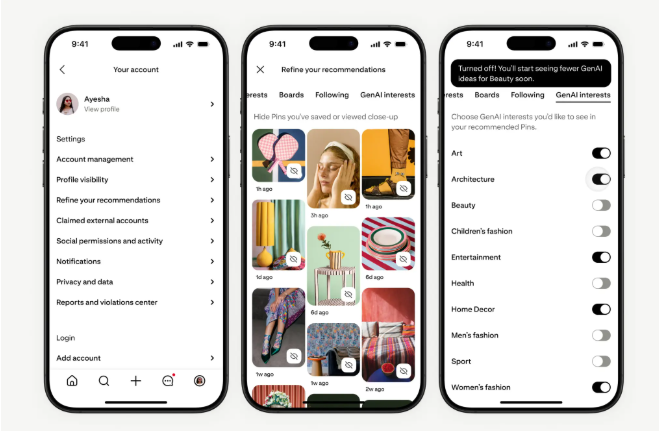
Pinterest has launched customizable tools allowing users to reduce AI-generated content in their feeds. The move addresses growing complaints about synthetic images flooding the platform. Users can now adjust preferences across categories like fashion and home decor, with iOS support coming soon.

October 17, 2025
AI moderationcontent filteringdigital platforms