Tencent's Breakthrough Video Tech Speeds Up Generation by 11.8 Times

Tencent's Video Generation Leap: Faster, Smarter, Open-Source
Image

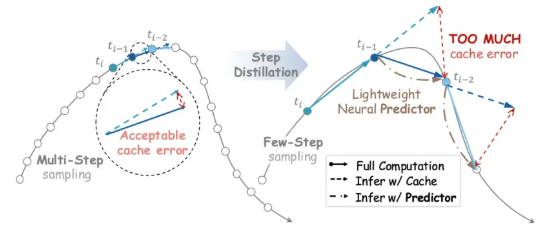
For anyone working with AI-generated video, the wait times and computing costs have been constant headaches. Tencent's Hunyuan research team just handed the community a powerful remedy - their new DisCa technology slashes generation times by nearly 12 times while maintaining output quality.

How DisCa Changes the Game

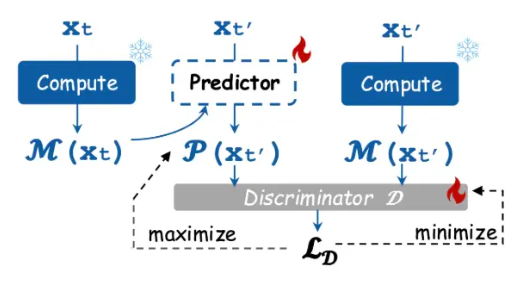
The secret lies in what the team calls "learnable feature caching." Imagine trying to predict the next frames of video based on what came before - that's essentially what their lightweight neural network does, but with remarkable accuracy. Traditional caching methods stumble when applied to streamlined AI models, but DisCa's smart predictor keeps everything on track.

"We trained it through adversarial learning," explains the team, "so it doesn't just guess - it learns the actual evolution patterns of video features." This breakthrough means creators can get their AI-generated videos up to 11.8 times faster without the usual trade-offs in quality.
Image

Improving Upon MIT's Work

The team didn't stop there. They took MIT's promising MeanFlow technique - great for images but problematic for videos - and made it work better for moving pictures. Their solution was surprisingly straightforward: dial back the ambition.

"One-step generation sounds amazing," says the research paper, "but it was causing training problems." By setting more realistic step ranges during training, they created R-MeanFlow - an approach that aligns with findings from both MIT and Google teams.

Available Now for Everyone

In keeping with the spirit of open research, Tencent has made both the code and model weights publicly available. The technology is already proving its worth in HunyuanVideo-1.5, currently among the best open-source video generation models available.

Key Points:

  • DisCa technology accelerates AI video generation by 11.8x
  • Uses learnable feature caching with neural network prediction
  • Improves upon MIT's MeanFlow for better video results
  • Full code and models available as open-source
  • Already implemented in HunyuanVideo-1.5

For video creators and developers alike, this represents more than just a speed boost - it's a fundamental shift in what's possible with AI-generated content.
Enjoyed this article?

Subscribe to our newsletter for the latest AI news, product reviews, and project recommendations delivered to your inbox weekly.

Weekly digestFree foreverUnsubscribe anytime

Related Articles

Ant Group's Lingbo Tech Open Sources Breakthrough 3D Mapping Tool
News

Ant Group's Lingbo Tech Open Sources Breakthrough 3D Mapping Tool

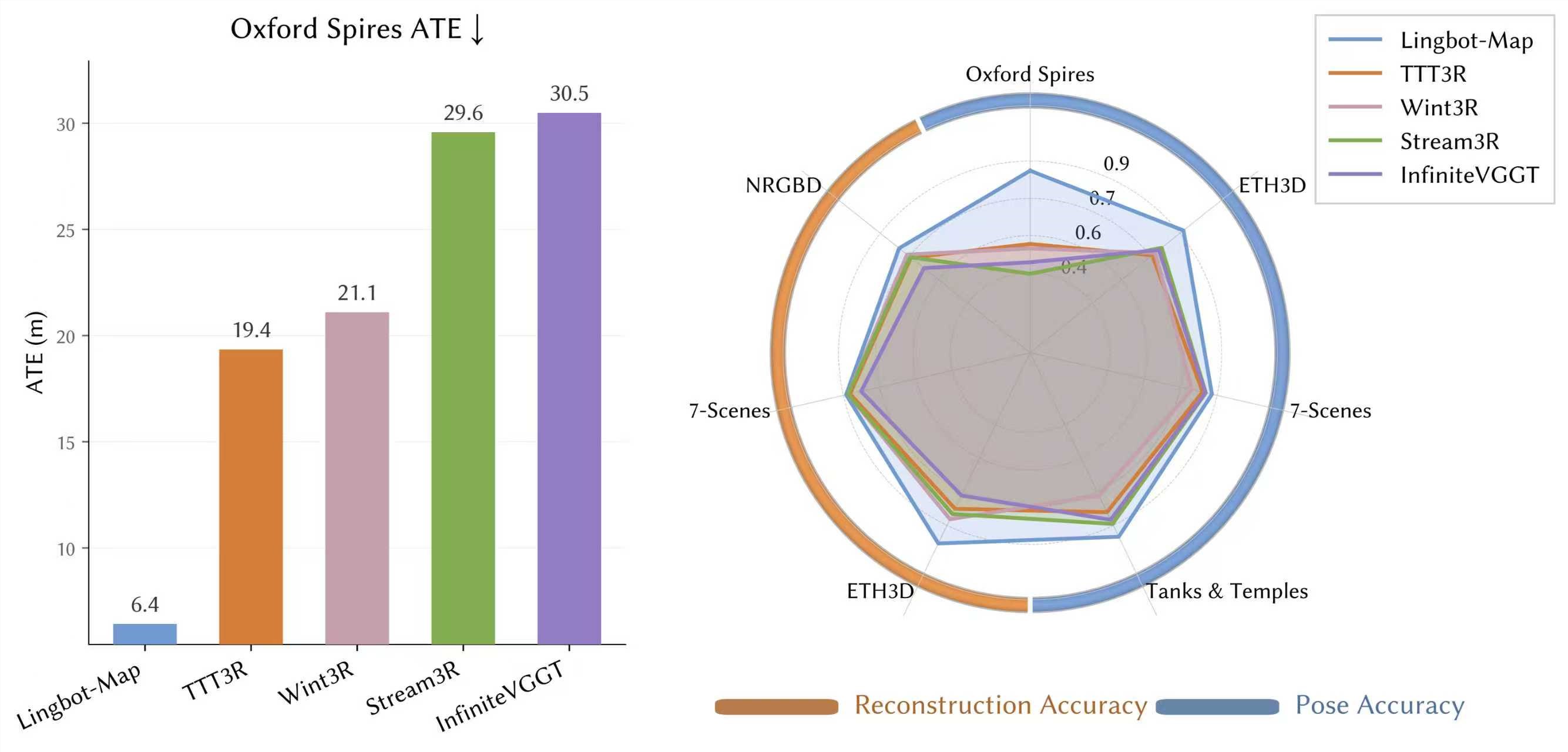
Ant Group's Lingbo Technology has made waves by open-sourcing its revolutionary LingBot-Map, a system that creates real-time 3D reconstructions using just a standard camera. Unlike previous methods that required specialized equipment or post-processing, this innovation works on the fly during video capture, achieving impressive 20FPS performance. The technology promises to transform fields from robotics to AR by making high-quality spatial mapping more accessible than ever.

April 16, 2026
3D reconstructioncomputer visionAnt Group
JD.com Unveils Cutting-Edge AI Training Camera for Next-Gen Robotics
News

JD.com Unveils Cutting-Edge AI Training Camera for Next-Gen Robotics

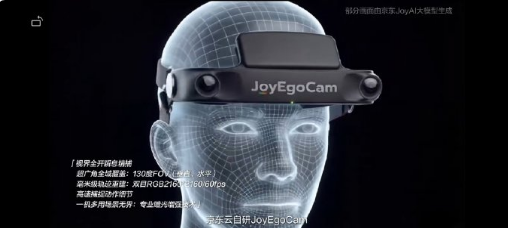
JD.com has introduced the JoyEgoCam, a groundbreaking data collection device designed to train AI systems through real-world observation. This industrial-grade camera captures ultra-high-definition footage at 60 frames per second, enabling machines to learn subtle movements and environmental changes. The launch comes as part of JD's ambitious plan to collect 10 million hours of video data within two years, potentially transforming warehouse automation and logistics robotics.

April 16, 2026
AI trainingroboticscomputer vision
Google's AI Breakthrough Teaches Machines to See Like Humans
News

Google's AI Breakthrough Teaches Machines to See Like Humans

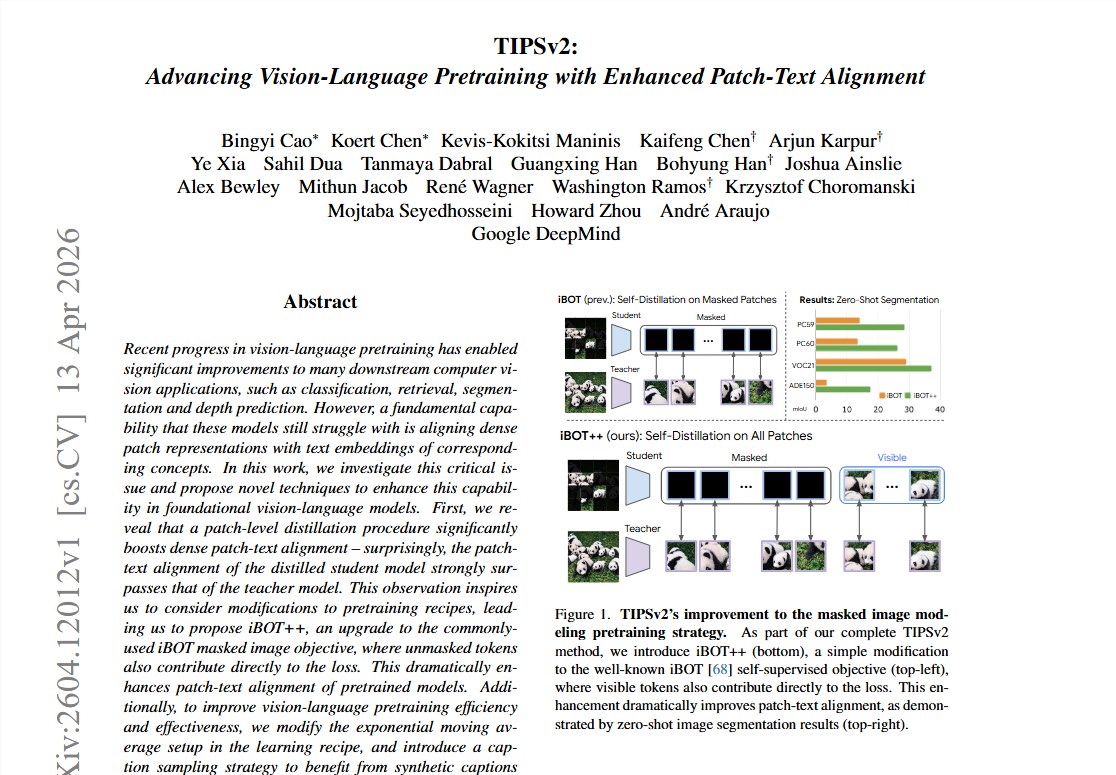
Google DeepMind has cracked a major challenge in AI vision with its new TIPSv2 system. While current models can describe images broadly, they stumble on fine details - like locating a panda's left hind leg. The solution came from an unexpected finding: smaller models sometimes outperform larger ones in segmentation tasks. By refining training methods and reducing computational overhead, TIPSv2 achieves 14% better segmentation accuracy while using 42% fewer parameters. This breakthrough could revolutionize fields from medical imaging to autonomous vehicles.

April 16, 2026
computer visionmachine learningAI research
News

Volcano Engine Unleashes Powerful Video Generation API for Creators and Businesses

Volcano Engine has launched its Seedance 2.0 API, offering cutting-edge video generation capabilities to both enterprise and individual users. The upgraded model handles text, images, audio, and video inputs with improved physical accuracy and visual realism. Alongside technical enhancements, the company has implemented robust compliance measures for AI-generated content. Industry experts believe this release could transform workflows in marketing, entertainment, and corporate video production.

April 14, 2026
AI video generationcreative technologydigital content creation
Skywork AI's Matrix-Game 3.0 Brings Worlds to Life with Real-Time HD Video
News

Skywork AI's Matrix-Game 3.0 Brings Worlds to Life with Real-Time HD Video

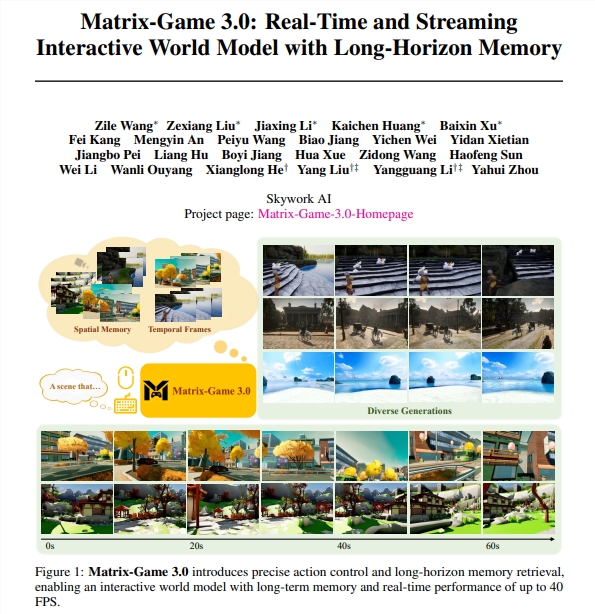
Skywork AI has cracked the code on AI's biggest video generation challenge – long-term memory. Their new Matrix-Game 3.0 system creates seamless 720p worlds at 40 FPS, remembering every detail like a virtual tour guide. The secret? A camera-aware memory system and mountains of gaming data that teach AI how the real world works. This breakthrough could transform everything from video games to robot training.

April 14, 2026
AI video generationreal-time renderinggame technology
Microsoft's New AI Model Packs a Punch with Smart, Lightweight Design
News

Microsoft's New AI Model Packs a Punch with Smart, Lightweight Design

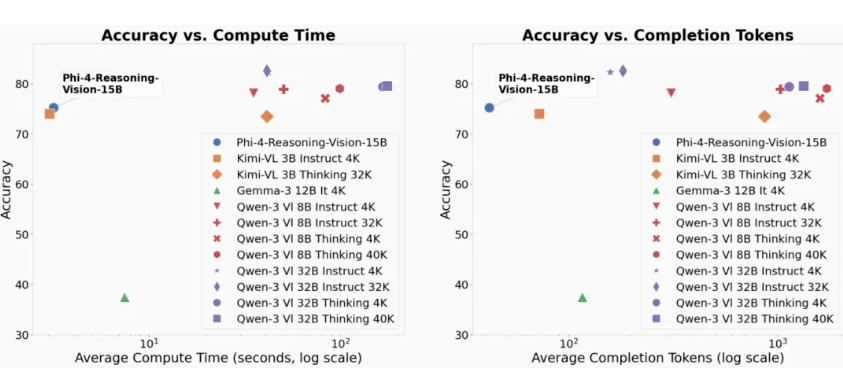
Microsoft has unveiled Phi-4-reasoning-vision-15B, a surprisingly powerful yet lightweight AI model that excels at visual reasoning tasks. What makes it special? It delivers top-notch performance while keeping computing costs low, making it ideal for resource-constrained environments. The secret sauce? High-quality training data and an innovative hybrid reasoning approach that automatically adjusts to simple or complex tasks. Now available as open-source, this model could change how we think about efficient AI.

April 13, 2026
Microsoft AImultimodal reasoningefficient AI