Ant Group's Lingbo Tech Open Sources Breakthrough 3D Mapping Tool

A Leap Forward in 3D Mapping Technology

Ant Group's Lingbo Technology has taken the wraps off its groundbreaking LingBot-Map, open-sourcing a system that could democratize real-time 3D reconstruction. What sets this apart? It delivers professional-grade results using nothing more than the RGB camera found in most smartphones and consumer devices.
Image

How It Works: Breaking the Processing Bottleneck

The magic lies in LingBot-Map's streaming architecture. Traditional systems had to wait until they'd captured all the data before starting the heavy computational work. Imagine trying to navigate a room while blindfolded, only getting the layout after you've finished walking through it. LingBot-Map removes that limitation, processing spatial data continuously as the camera moves.

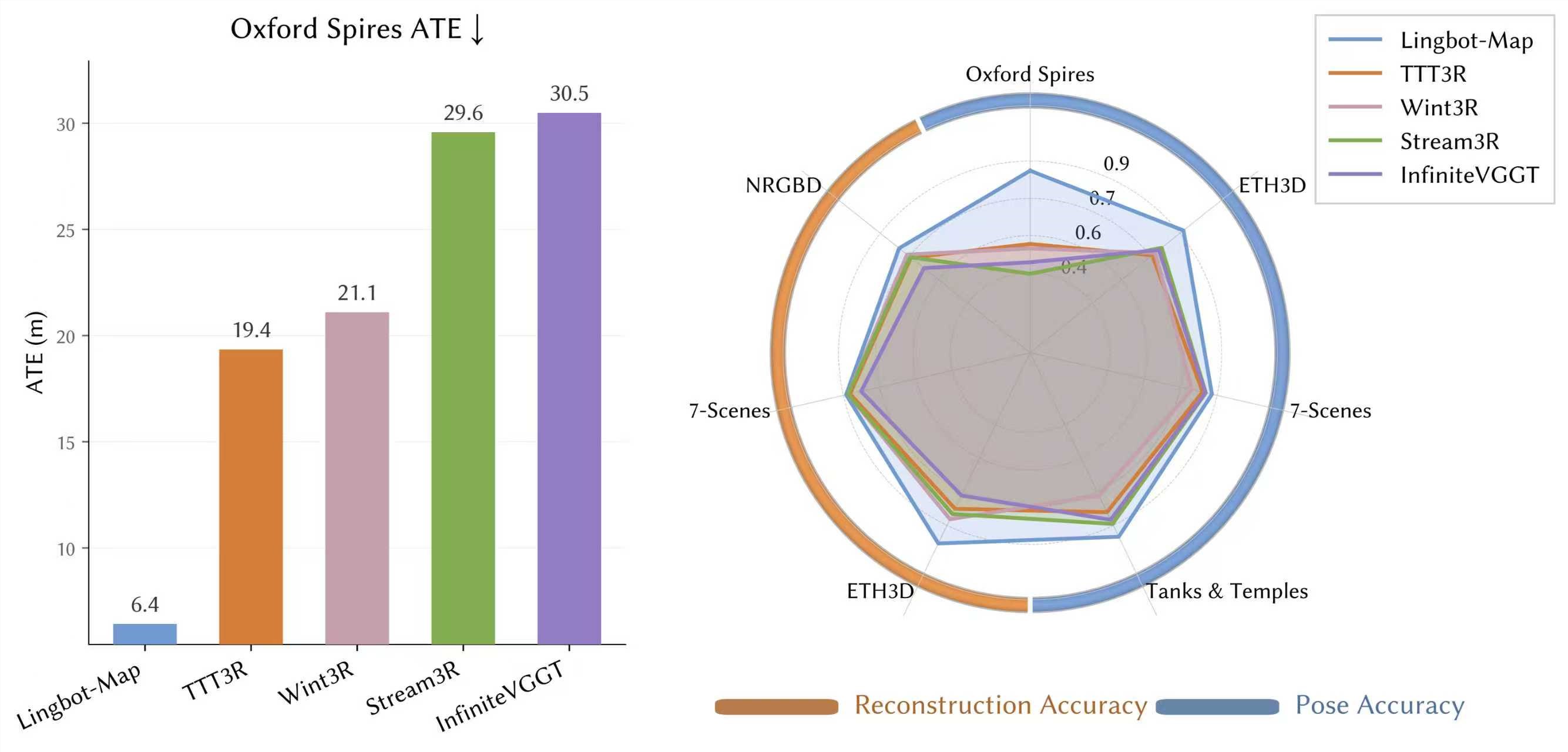
Early benchmarks tell an impressive story. On Oxford's challenging Spires dataset, the system achieved trajectory errors just one-third those of previous streaming methods. Surprisingly, it even outperformed some offline algorithms that benefit from post-processing advantages. The team has demonstrated the system maintaining consistent accuracy across video sequences containing tens of thousands of frames.

Practical Applications: From Robots to Everyday Tech

This isn't just academic research. The technology could soon power:

  • More responsive robot navigation systems
  • Enhanced AR experiences without specialized hardware
  • Affordable autonomous vehicle perception solutions

"What excites us most is lowering the barrier to high-quality spatial understanding," explains a Lingbo spokesperson. "When any device with a camera can map its environment in real-time, it opens doors we haven't even imagined yet."

The Bigger Picture

LingBot-Map represents another milestone for Ant Lingbo, following their work on depth estimation and large language action models. By tackling real-time spatial understanding, they're building a more complete foundation for embodied AI systems. The decision to open-source the technology suggests a strategic move to accelerate adoption and ecosystem development.

Key Points:

  • Processes 3D mapping at ~20FPS using standard RGB cameras
  • Outperforms previous streaming methods by 3x on benchmark tests
  • Maintains accuracy across extended real-world use
  • Open-source availability could spur rapid industry adoption
Enjoyed this article?

Subscribe to our newsletter for the latest AI news, product reviews, and project recommendations delivered to your inbox weekly.

Weekly digestFree foreverUnsubscribe anytime

Related Articles

News

Ant Group Dominates Global AI Detection Challenge with Breakthrough Tech

At the prestigious CVPR 2026 conference, Ant Group's security teams pulled off a remarkable double victory in AI content detection. Their innovative approach combines sophisticated visual analysis with real-world scenario testing, offering powerful new tools against deepfakes and AI-generated fraud. The win highlights China's growing leadership in practical AI security solutions that protect everything from digital payments to identity verification.

April 10, 2026
AI securitydeepfake detectionAnt Group
Tencent's Breakthrough Video Tech Speeds Up Generation by 11.8 Times
News

Tencent's Breakthrough Video Tech Speeds Up Generation by 11.8 Times

Tencent's Hunyuan team has cracked the code on slow video generation with their new DisCa technology, achieving an impressive 11.8x speed boost without sacrificing quality. This open-source solution, accepted by top computer vision conference CVPR 2026, introduces smart feature prediction that revolutionizes how AI creates videos. The team also improved upon MIT's approach to make it work better for complex video tasks, with results already powering their latest video generation model.

April 16, 2026
AI video generationTencent researchcomputer vision
JD.com Unveils Cutting-Edge AI Training Camera for Next-Gen Robotics
News

JD.com Unveils Cutting-Edge AI Training Camera for Next-Gen Robotics

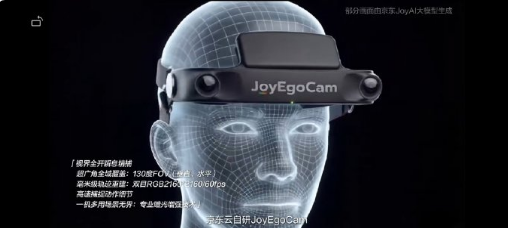
JD.com has introduced the JoyEgoCam, a groundbreaking data collection device designed to train AI systems through real-world observation. This industrial-grade camera captures ultra-high-definition footage at 60 frames per second, enabling machines to learn subtle movements and environmental changes. The launch comes as part of JD's ambitious plan to collect 10 million hours of video data within two years, potentially transforming warehouse automation and logistics robotics.

April 16, 2026
AI trainingroboticscomputer vision
Google's AI Breakthrough Teaches Machines to See Like Humans
News

Google's AI Breakthrough Teaches Machines to See Like Humans

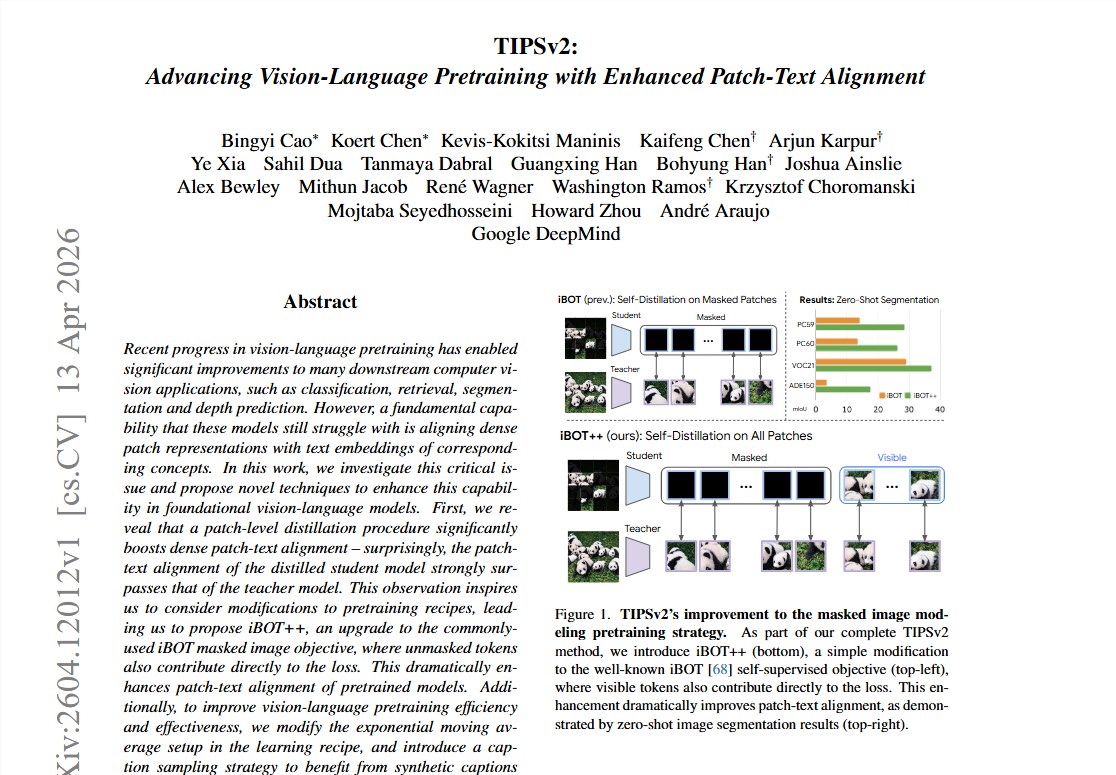
Google DeepMind has cracked a major challenge in AI vision with its new TIPSv2 system. While current models can describe images broadly, they stumble on fine details - like locating a panda's left hind leg. The solution came from an unexpected finding: smaller models sometimes outperform larger ones in segmentation tasks. By refining training methods and reducing computational overhead, TIPSv2 achieves 14% better segmentation accuracy while using 42% fewer parameters. This breakthrough could revolutionize fields from medical imaging to autonomous vehicles.

April 16, 2026
computer visionmachine learningAI research
Microsoft's New AI Model Packs a Punch with Smart, Lightweight Design
News

Microsoft's New AI Model Packs a Punch with Smart, Lightweight Design

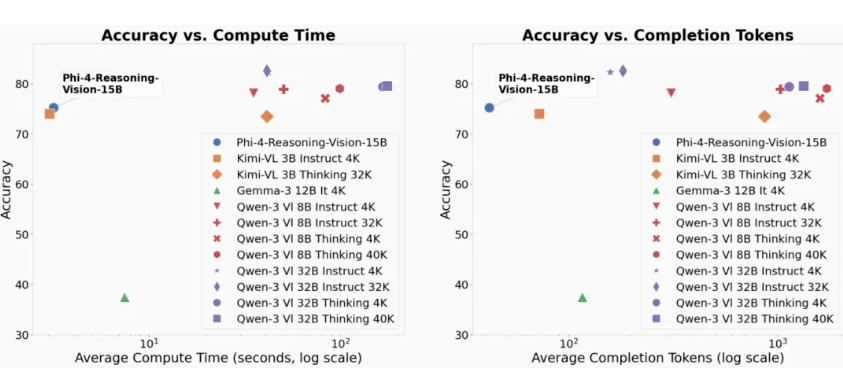
Microsoft has unveiled Phi-4-reasoning-vision-15B, a surprisingly powerful yet lightweight AI model that excels at visual reasoning tasks. What makes it special? It delivers top-notch performance while keeping computing costs low, making it ideal for resource-constrained environments. The secret sauce? High-quality training data and an innovative hybrid reasoning approach that automatically adjusts to simple or complex tasks. Now available as open-source, this model could change how we think about efficient AI.

April 13, 2026
Microsoft AImultimodal reasoningefficient AI
Meta's Muse Spark: A Smarter, Leaner AI Assistant for Everyday Tasks
News

Meta's Muse Spark: A Smarter, Leaner AI Assistant for Everyday Tasks

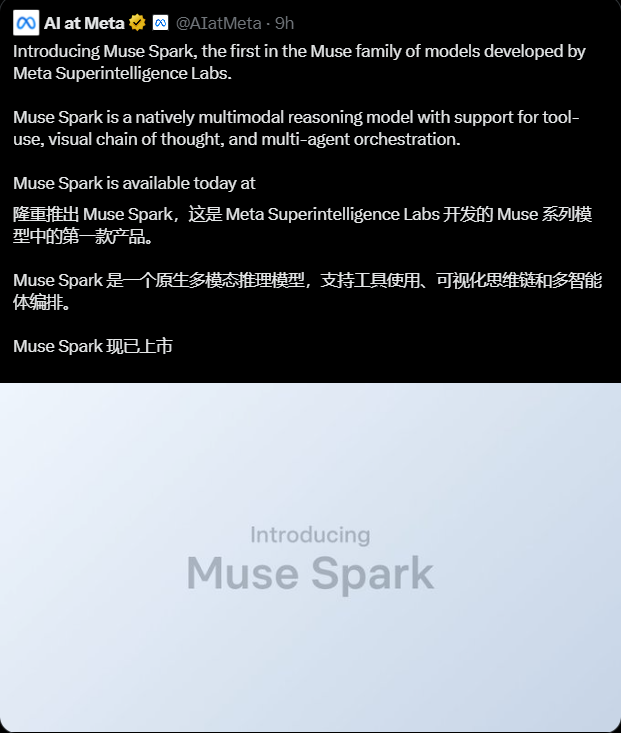
Meta has unveiled Muse Spark, a new AI model that promises professional-grade performance with surprising efficiency. Trained by over 1,000 doctors, it can analyze health data visually and even solve Sudoku from photos. What sets it apart? It delivers comparable results to top models while using just one-tenth the computing power of Meta's own Llama4Maverick.

April 9, 2026
AI assistantscomputer visionhealth tech