Short Drama Platform Cracks Down on AI Show for Face-Stealing Scandal
AI Drama Faces Backlash Over Digital Identity Theft
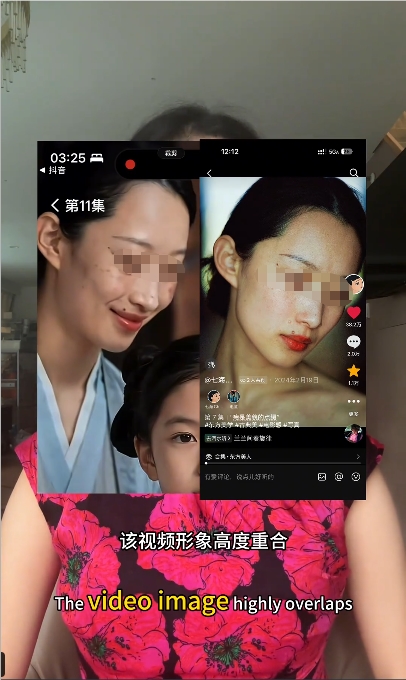
In a move that's sending shockwaves through China's digital entertainment scene, Red Fruit Short Drama platform has removed the AI-generated series The Peach Hairpin and suspended its production company for 15 days. The decision came after multiple social media influencers came forward claiming the show had stolen their facial features using artificial intelligence.
How the Scandal Unfolded
The controversy erupted on March 31 when Hanfu blogger 'Bai Cai' and model 'Qihai' noticed something unsettling - their distinctive makeup styles and facial characteristics appearing in the drama's characters. "It wasn't just similar," Bai Cai later posted, "it was like watching a digital clone of myself acting in scenes I never agreed to."
Platform administrators gave the production team 72 hours to prove they had proper authorization for all visual materials. When the company failed to provide convincing documentation by the April 3 deadline, Red Fruit pulled the plug entirely.
The Legal Gray Zone of AI Imagery
Legal experts explain this case highlights murky territory in China's digital copyright laws. "The core issue isn't about the technology itself," says Beijing-based media lawyer Zhang Wei. "When an AI-generated face is recognizable as a specific individual without their consent, that crosses into clear infringement territory - regardless of how the image was technically produced."
The production company maintains they used commercially available AI tools that randomly generate faces. However, forensic comparisons shown to Red Fruit's review team demonstrated striking resemblances to real individuals - complete with unique beauty marks and signature makeup styles.
Industry at a Crossroads
This incident comes as China's $5 billion short drama market increasingly relies on AI for cost-effective production. While algorithms can slash development time from months to days, this case reveals hidden pitfalls:
- Difficulty tracing original image sources in AI training data
- Growing public resistance to unauthorized digital replicas
- Platforms struggling to keep pace with evolving technology
"We're entering uncharted waters," notes Shanghai Tech University professor Lin Hao. "The same tools democratizing content creation also enable new forms of identity appropriation. Platforms will need much tighter oversight as these technologies mature."
Key Points:
- The Peach Hairpin removed after failing rights verification
- Case centers on whether AI reproductions require subject consent
- Marks first major enforcement action against AI face replication
- Industry faces mounting pressure to establish clearer ethical guidelines