

San Francisco Blackout Strands Waymo's Robotaxis in Unprecedented Test
When the Lights Went Out, So Did San Francisco's Robotaxis
Picture this: It's a typical Saturday afternoon in San Francisco when suddenly - darkness. Not the romantic kind with candlelit dinners, but the kind that strands hundreds of driverless cars like confused metal turtles across the city.
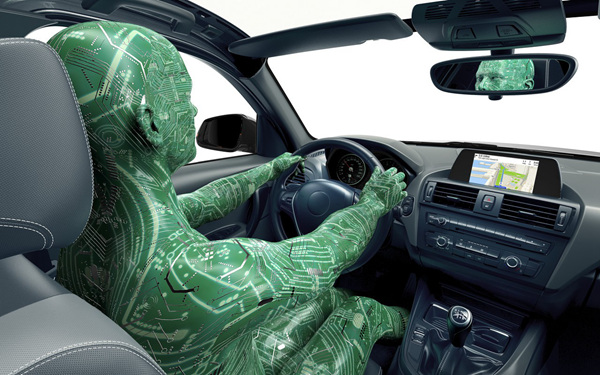
What happened? On December 20, 2025, a fire at a PG&E substation near 8th and Mission Streets plunged about 130,000 residents into darkness. Traffic lights went out across the city. For human drivers? Annoying but manageable. For Waymo's autonomous fleet? Game over.
The Great Robotaxi Standstill
The blackout created surreal scenes along Tech Boulevard and other major arteries. Waymo vehicles - normally so confident in their movements - sat frozen mid-street or pulled over awkwardly like teenagers at their first driving lesson. Some blocked lanes entirely, creating traffic snarls that human drivers navigated with honks and creative maneuvers.
"Safety first," explained a Waymo spokesperson about their decision to ground the fleet. But behind that corporate speak lies a stark reality: When city infrastructure fails spectacularly, our most advanced self-driving tech still can't improvise like a human driver.
Experts Weigh In: A Wake-Up Call for AVs?
MIT transportation researcher Brian Littman puts it bluntly: "This event exposed the brittle nature of current autonomous systems when pushed beyond their comfort zones."
The core issue? Today's AVs rely heavily on predictable environments - functioning traffic signals, clear lane markings, cooperative weather. Take those away, and even billion-dollar AI systems struggle with basic navigation decisions humans make instinctively.
Key Points:
- Power outage disabled traffic signals across San Francisco
- Waymo's entire Bay Area fleet immobilized for safety reasons
- Incident highlights autonomous vehicles' reliance on functioning infrastructure
- Experts call for better fallback systems during unexpected failures
