Xpeng Charges Into AI Future With Game-Changing Vehicle Tech
Xpeng Accelerates Into the AI Driving Lane
At its highly anticipated 2026 Global Product Launch, Xpeng Motors CEO He Xiaopeng painted a vivid picture of an AI-powered transportation future. The Chinese electric vehicle pioneer isn't just upgrading cars - it's reimagining mobility itself.
The Brains Behind the Wheel
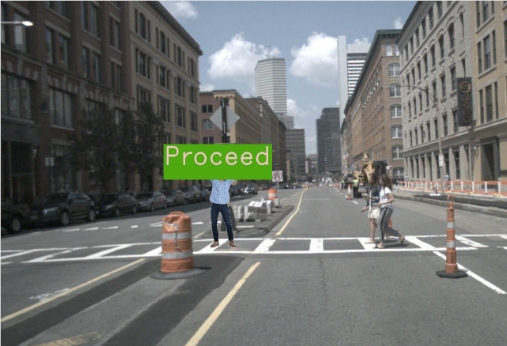
The star of the show was Xpeng's second-generation VLA (Vision-Language-Action) model, set for mass production deployment in early 2026. This isn't your typical driver assistance system. The VLA represents a quantum leap in vehicle intelligence, processing visual data and translating it directly into actions with human-like responsiveness.
"We're moving from technology demonstrations to real-world implementation," He declared during his keynote. "Our VLA model achieves what others are still theorizing about - true end-to-end vehicle control."
Industry analysts immediately took notice of the claimed L4 autonomous capabilities, putting Xpeng potentially ahead of Western competitors in bringing high-level self-driving tech to production vehicles.
Beyond Cars: A Mobility Ecosystem
Xpeng's ambitions extend far beyond smarter electric vehicles:
- Robotaxi services launching in 2026
- Production-ready humanoid robots
- Modular flying car systems (dubbed "land aircraft carriers")
The company showcased four new models including updated P7+ and G7 variants - all equipped with the groundbreaking VLA technology. But perhaps more significantly, Xpeng signaled its transformation from an EV manufacturer to what He called "a global embodied intelligence company."
The Road Ahead
The strategy relies on three pillars:
- Proprietary AI chips developed in-house
- Massive cloud computing infrastructure
- Closed-loop intelligent product ecosystem
"Large models will become the operating system of the physical AI world," He predicted, suggesting Xpeng's technology could eventually power everything from delivery drones to smart city infrastructure.
The announcements position Xpeng as perhaps China's most aggressive player in merging automotive and AI technologies - a combination that could redefine personal transportation worldwide.
Key Points:
- Second-gen VLA model achieves direct perception-to-action control
- Mass production begins Q1 2026 on Ultra platform
- Claims industry-first L4 capability implementation
- Expands into robotaxis, humanoids and flying vehicles
- Shifts identity from EV maker to "embodied intelligence" company