OpenAI Unveils GPT-Rosalind: AI Breakthrough for Drug Discovery

OpenAI's New AI Model Targets Medical Breakthroughs

In a move that could reshape pharmaceutical research, OpenAI launched GPT-Rosalind on April 16th - an AI system specifically designed to tackle life science challenges. The model honors Rosalind Franklin, whose X-ray images were crucial to understanding DNA's structure.
Image

How GPT-Rosalind Works

This isn't your typical chatbot. GPT-Rosalind has been fine-tuned to digest mountains of biochemical data, helping researchers with everything from hypothesis generation to protein engineering. Imagine having a tireless lab assistant who never sleeps - one that can spot patterns across thousands of research papers in seconds.

"We're not replacing scientists," an OpenAI spokesperson clarified, "but giving them supercharged tools to work faster and smarter."

Early Adopters and Capabilities

The model is currently available to select partners including:

  • Amgen (pharmaceutical giant)
  • Moderna (vaccine specialist)
  • Thermo Fisher Scientific
  • Allen Institute

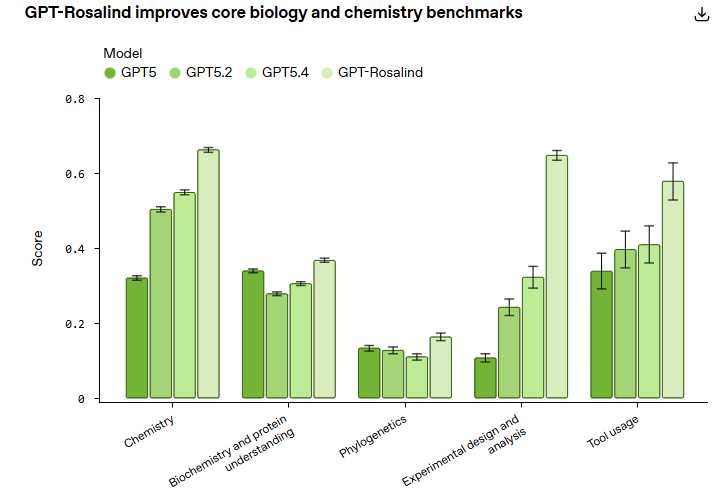
Initial tests show GPT-Rosalind performing exceptionally well on scientific benchmarks like LABBench2. In some predictive tasks, it's even outperforming human experts. The system comes with a plugin connecting to over 50 specialized scientific databases and tools.

The Bigger Picture

This launch signals OpenAI's serious entry into scientific AI, a field where Google's DeepMind and Anthropic have been making waves. As AI transitions from general-purpose chatbots to specialized research tools, the pharmaceutical industry is watching closely - some biotech stocks fluctuated noticeably after the announcement.

While questions remain about AI's ability to replicate human intuition in drug development, one thing is clear: the race to digitize scientific discovery just got more interesting.

Key Points

  • GPT-Rosalind specializes in life sciences and drug development research
  • Named after DNA researcher Rosalind Franklin
  • Currently in limited research preview with major pharmaceutical partners
  • Outperforms humans in certain predictive tasks
  • Part of growing trend of specialized AI research tools
Enjoyed this article?

Subscribe to our newsletter for the latest AI news, product reviews, and project recommendations delivered to your inbox weekly.

Weekly digestFree foreverUnsubscribe anytime

Related Articles

News

ChatGPT Reaches Gender Parity as Women Now Dominate User Base

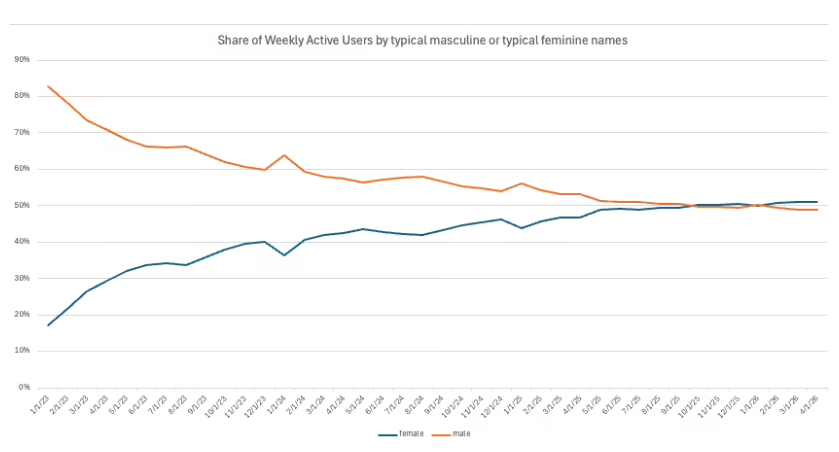
OpenAI's latest data reveals a remarkable shift in ChatGPT's demographics. What began as a male-dominated platform in 2022 (80% male users) has now flipped, with women accounting for over half of its nearly 1 billion users. Meanwhile, OpenAI's computing power continues its explosive growth, increasing nearly tenfold since 2023 as the company prepares for future AI competition with ambitious infrastructure plans.

April 17, 2026
ChatGPTAI trendsTechnology demographics
News

Cerebras and OpenAI Forge $20 Billion AI Chip Alliance Amid IPO Plans

In a landmark deal shaking up the AI hardware sector, Cerebras Systems has secured a massive $20 billion commitment from OpenAI for its revolutionary wafer-scale chips. The three-year partnership includes $1 billion in development funding and potential equity stakes, while Cerebras eyes a blockbuster $35 billion IPO. This collaboration could reshape how AI models are trained, combining OpenAI's software prowess with Cerebras' cutting-edge hardware at unprecedented scale.

April 17, 2026
AI ChipsCerebrasOpenAI
ChatGPT Hits 1 Billion Users as Women Surpass Men in Adoption
News

ChatGPT Hits 1 Billion Users as Women Surpass Men in Adoption

OpenAI's latest data reveals a milestone moment: ChatGPT now boasts nearly 1 billion weekly active users worldwide. What's more surprising? Women have flipped the script - once just 20% of users, they now represent over half of ChatGPT's user base. The platform's computing power is also skyrocketing, with plans to reach 1.9 gigawatts by 2025, ensuring better service for its rapidly growing, increasingly diverse community.

April 17, 2026
ChatGPTAI TrendsTechnology Adoption
OpenAI Unveils GPT-Rosalind: AI That Could Revolutionize Drug Discovery
News

OpenAI Unveils GPT-Rosalind: AI That Could Revolutionize Drug Discovery

OpenAI has taken a bold step into life sciences with GPT-Rosalind, a specialized AI model named after DNA pioneer Rosalind Franklin. Unlike general chatbots, this tool can analyze protein structures, predict gene functions, and suggest experimental pathways—outperforming human experts in some tests. Currently available only to select biotech firms, it promises to accelerate drug development while raising important questions about AI's role in scientific discovery.

April 17, 2026
AI-in-biotechdrug-discoveryOpenAI
OpenAI's Codex Gets Smarter: Now Controls Your Mac Like a Pro
News

OpenAI's Codex Gets Smarter: Now Controls Your Mac Like a Pro

OpenAI just gave its Codex AI assistant some serious upgrades. The tool can now control Mac applications independently, run multiple tasks simultaneously, and remember your workflow preferences for days. Imagine having a digital assistant that clicks, types, and browses for you - that's what Codex delivers with this update. Developers will particularly love how it seamlessly picks up paused projects and even suggests next steps.

April 17, 2026
AI ProgrammingMac AutomationOpenAI
AI Coding Assistants Clash: OpenAI's Codex Upgrade Takes On Anthropic's Claude
News

AI Coding Assistants Clash: OpenAI's Codex Upgrade Takes On Anthropic's Claude

The battle for dominance in AI-powered coding tools heats up as OpenAI unveils major upgrades to Codex, introducing background operation and browser integration. Meanwhile, Anthropic's Claude Code continues gaining enterprise traction. This latest volley brings enhanced memory features, image generation, and flexible pricing - pushing AI programming assistants into new territory.

April 17, 2026
AI programmingOpenAIdeveloper tools