ChatGPT Reaches Gender Parity as Women Now Dominate User Base

ChatGPT's User Base Reaches Gender Milestone

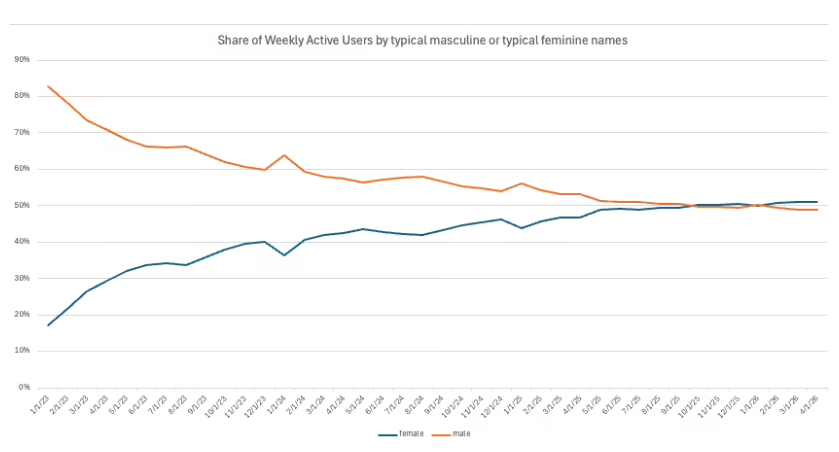
In a surprising turnaround from its early days, ChatGPT has achieved something rare in the tech world - gender parity. New data from OpenAI shows women now represent over 50% of the AI assistant's users, marking a dramatic shift since its 2022 launch when male users dominated by a 4-to-1 margin.

The Changing Face of AI Adoption

"When we first released ChatGPT, our user base looked like most tech products - heavily skewed male," explains an OpenAI spokesperson. "But what we're seeing now reflects how AI tools are becoming truly mainstream."

The numbers tell a compelling story. With weekly active users approaching 1 billion globally, this means nearly 500 million women are regularly interacting with ChatGPT worldwide. The platform's evolving user demographics suggest AI assistants are shedding their early adopter identity and becoming household utilities.

Behind the Computing Power Surge

While user demographics shift, OpenAI continues its aggressive infrastructure expansion:

  • 2023: 0.2 gigawatts of computing power
  • 2025: 1.9 gigawatts (nearly 10x growth)
  • 2030 Target: 30 gigawatts through partnerships with NVIDIA and others

This computing roadmap highlights the arms race in AI infrastructure. "You can't compete in next-generation AI without massive computing resources," notes tech analyst Sarah Chen. "OpenAI's building the equivalent of small power plants just for AI processing."

What This Means for AI's Future

The dual developments - diversifying users and expanding infrastructure - paint a picture of an industry maturing rapidly. As AI tools become more accessible to broader demographics, companies are racing to ensure their systems can handle the explosive growth.

Some industry watchers suggest the gender shift might influence future AI development priorities. "When your user base changes this dramatically, it naturally affects product evolution," observes MIT researcher David Park. "We may see more focus on use cases that appeal to this growing female demographic."

Key Points:

  • Historic Shift: Women now comprise over 50% of ChatGPT users, reversing early male dominance
  • Massive Scale: Nearly 500 million women worldwide use ChatGPT regularly
  • Infrastructure Boom: OpenAI's computing power grew from 0.2GW to 1.9GW in two years
  • Future Plans: Company targeting 30GW capacity by 2030 through strategic partnerships
  • Industry Impact: Demographic changes may shape future AI development priorities
Enjoyed this article?

Subscribe to our newsletter for the latest AI news, product reviews, and project recommendations delivered to your inbox weekly.

Weekly digestFree foreverUnsubscribe anytime

Related Articles

ChatGPT Hits 1 Billion Users as Women Surpass Men in Adoption
News

ChatGPT Hits 1 Billion Users as Women Surpass Men in Adoption

OpenAI's latest data reveals a milestone moment: ChatGPT now boasts nearly 1 billion weekly active users worldwide. What's more surprising? Women have flipped the script - once just 20% of users, they now represent over half of ChatGPT's user base. The platform's computing power is also skyrocketing, with plans to reach 1.9 gigawatts by 2025, ensuring better service for its rapidly growing, increasingly diverse community.

April 17, 2026
ChatGPTAI TrendsTechnology Adoption
News

Meta's Talent Raid: Another Key Engineer Jumps Ship to Zuckerberg's AI Lab

The AI talent wars are heating up as Meta snatches yet another star engineer from Thinking Machines. Joshua Gross, who built the startup's flagship creative software, now leads Meta's Super Intelligence Lab team. It's the latest in a series of high-profile defections – five Thinking Machines founders have already joined Zuckerberg's company. But the startup isn't helpless, having recruited PyTorch creator Soumith Chintala in return. With tech giants offering nine-figure packages for top AI minds, this battle shows no signs of cooling down.

April 17, 2026
AI talent warsMeta recruitmentSilicon Valley
News

Starbucks rolls out mood-based drink recommendations powered by AI

Starbucks is testing a new ChatGPT-powered feature that suggests drinks based on customers' moods and preferences. Simply tell the app how you're feeling - tired, energetic, or somewhere in between - and it'll recommend the perfect beverage. While this innovation promises personalized ordering, some experts caution about over-reliance on such technology. The coffee giant says it's carefully monitoring user feedback during this trial phase.

April 17, 2026
StarbucksAI technologyfood tech
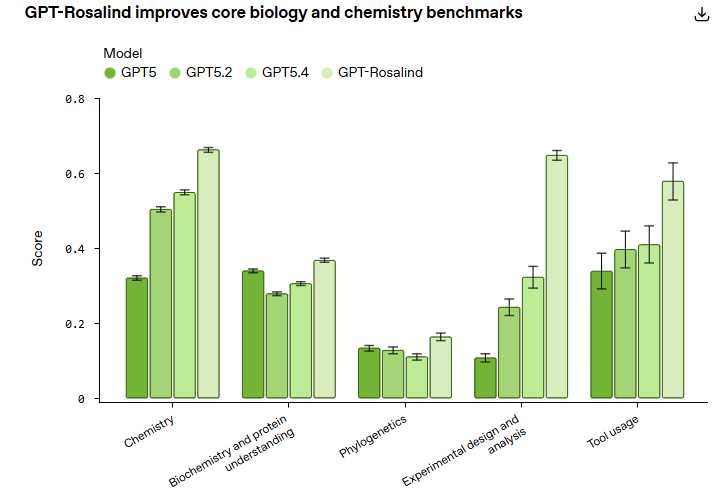
OpenAI Unveils GPT-Rosalind: AI Breakthrough for Drug Discovery
News

OpenAI Unveils GPT-Rosalind: AI Breakthrough for Drug Discovery

OpenAI has stepped into the pharmaceutical arena with GPT-Rosalind, a specialized AI model named after DNA pioneer Rosalind Franklin. Currently in research preview with partners like Amgen and Moderna, this tool promises to accelerate drug development by analyzing complex biochemical data. While some experts question whether AI can truly replace human researchers, the announcement has already sent ripples through biotech markets.

April 17, 2026
AI in healthcareDrug discoveryOpenAI
News

Cerebras and OpenAI Forge $20 Billion AI Chip Alliance Amid IPO Plans

In a landmark deal shaking up the AI hardware sector, Cerebras Systems has secured a massive $20 billion commitment from OpenAI for its revolutionary wafer-scale chips. The three-year partnership includes $1 billion in development funding and potential equity stakes, while Cerebras eyes a blockbuster $35 billion IPO. This collaboration could reshape how AI models are trained, combining OpenAI's software prowess with Cerebras' cutting-edge hardware at unprecedented scale.

April 17, 2026
AI ChipsCerebrasOpenAI
OpenAI Unveils GPT-Rosalind: AI That Could Revolutionize Drug Discovery
News

OpenAI Unveils GPT-Rosalind: AI That Could Revolutionize Drug Discovery

OpenAI has taken a bold step into life sciences with GPT-Rosalind, a specialized AI model named after DNA pioneer Rosalind Franklin. Unlike general chatbots, this tool can analyze protein structures, predict gene functions, and suggest experimental pathways—outperforming human experts in some tests. Currently available only to select biotech firms, it promises to accelerate drug development while raising important questions about AI's role in scientific discovery.

April 17, 2026
AI-in-biotechdrug-discoveryOpenAI