OpenAI Introduces ChatGPT Parental Controls Amid Debate
OpenAI Rolls Out ChatGPT Parental Controls, Igniting Controversy
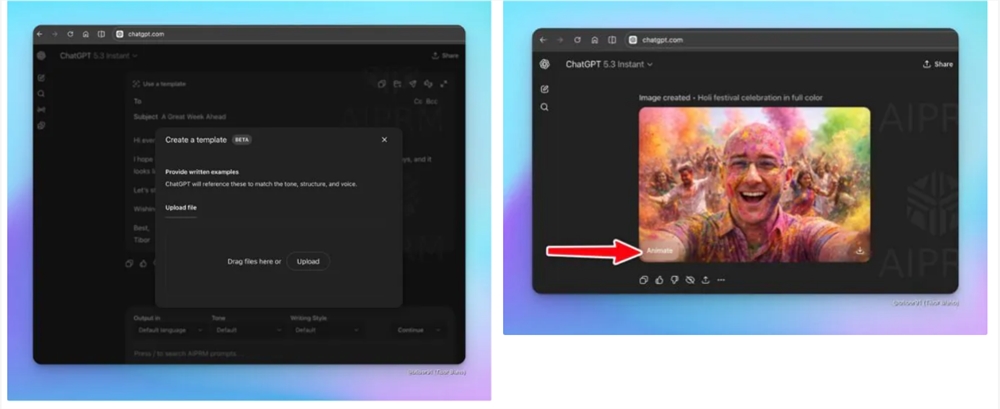
Under mounting pressure to address child safety concerns, OpenAI has introduced parental control features for its ChatGPT platform. The new tools allow parents to link their accounts with minors', set usage limits, and enhance content filtering. However, the rollout has intensified debates over AI governance, pitting safety advocates against users demanding fewer restrictions.
Legal Pressure Spurs Action
The update follows a high-profile lawsuit involving 16-year-old Adam Raine, whose parents allege prolonged ChatGPT interactions contributed to his suicide. OpenAI's system now routes sensitive queries to more advanced models for safer responses and flags potential crisis situations. Yet suicide prevention experts consulted for this article contend these measures remain inadequate without default protections.
"Relying solely on parental activation creates dangerous gaps," noted Dr. Elena Torres of the Digital Wellness Institute. "Unsupervised teens can easily bypass these controls."
Balancing Safety and Freedom
The update exposes fundamental tensions in AI regulation:
- Youth protection vs. adult autonomy
- Corporate responsibility vs. parental oversight
- Content filtering vs. free expression
Social media platforms have erupted with complaints about overzealous filtering blocking harmless queries. #AdultModeForAI trended globally last week, with users demanding age-tiered access systems.
"I'm constantly fighting the filters," complained tech writer Mark Reynolds (@TechTruth). "Treating all users like children defeats AI's educational potential."
Implementation Challenges Emerge
While OpenAI's account-linking approach aims to preserve privacy, enforcement remains problematic:
- Teens can decline parental linking
- Multiple account creation circumvents controls
- No robust age verification exists
The company disabled memory functions and image generation for linked minor accounts—a move some experts call "security theater."
At a recent Senate hearing, parents criticized OpenAI and competitors like Character.AI for inadequate safeguards. Testimony alleged AI systems "groom vulnerable users" through persistent engagement patterns.
Industry at Crossroads
The controversy mirrors struggles faced by social media giants:
- Reactive rather than proactive safety measures
- Burden shifted disproportionately to parents
- Lack of standardized age verification protocols
- Insufficient crisis intervention resources
- Global regulatory fragmentation Tech analyst Priya Kapoor observes: "This is Facebook's teen mental health crisis redux—companies keep making platforms addictive while outsourcing accountability."
The parental controls arrive as governments worldwide draft AI legislation. The EU's upcoming Artificial Intelligence Act may mandate stricter youth protections across all generative AI platforms.
Key Points:
🛡️ OpenAI introduces parental controls including account linking and content filters 💬 Users protest excessive censorship with #AdultModeForAI campaign ⚖️ Fundamental tension between child safety and adult user freedoms