

GPT-5.4 Arrives With Mind-Reading AI and Million-Token Memory
OpenAI Unveils GPT-5.4: The Most Human-Like AI Yet
March 6, 2026 marks a watershed moment in artificial intelligence as OpenAI releases GPT-5.4, blurring the line between human and machine cognition like never before.
Thinking Out Loud
The standout feature? A groundbreaking Thinking Mode that finally lets users understand how AI arrives at answers. "It's like watching someone solve a puzzle in real time," explains Dr. Elena Rodriguez, an AI researcher at Stanford. Before responding, GPT-5.4 now displays its step-by-step reasoning plan - and here's the kicker - you can intervene mid-process to steer its thinking.
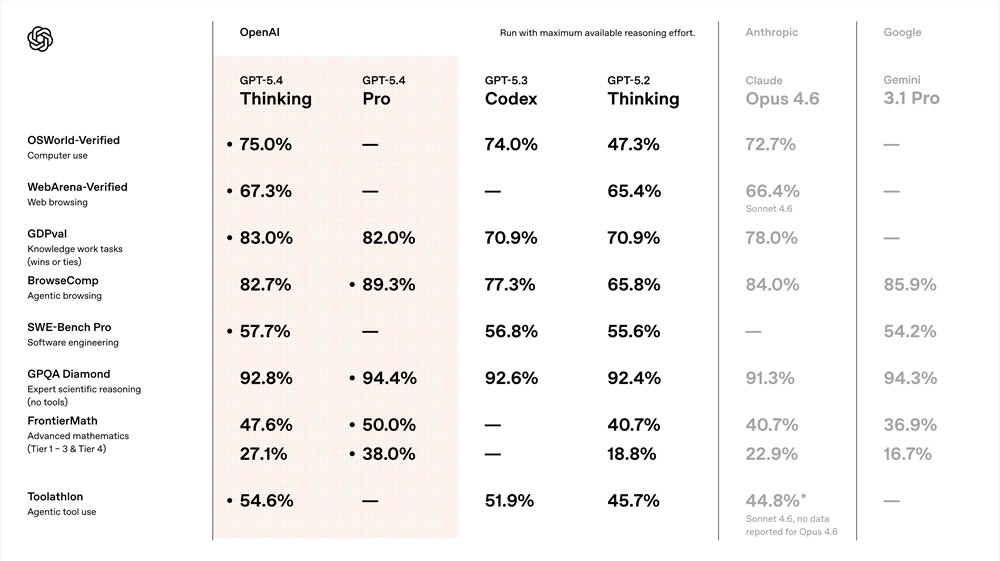
For complex queries, the enhanced Deep Search scours multiple sources simultaneously, comparing information much like human experts do during research.
From Chatbot to Colleague
GPT-5.4 isn't just smarter—it's more reliable:
- 18% fewer factual errors than GPT-5.2
- 33% reduction in false statements
- Matches human expert performance in finance and legal analysis
The integration of Codex programming capabilities transforms it into a formidable productivity partner, especially optimized for spreadsheet calculations and presentation design.
Your Computer's New Brain
The most jaw-dropping advancement? GPT-5.4 evolves from conversation partner to active assistant with:
- Native computer control - clicking, dragging and typing across applications
- Million-token memory - digesting entire codebases or quarterly reports at once
- Long-term task planning - remembering context for hours or even days
"This changes everything," marvels tech journalist Mark Chen while demonstrating how GPT-5.4 autonomously compiled his research notes into a formatted report.
Pro Power Users Rejoice
The new Pro version caters to demanding professionals with:
- Enhanced reasoning capacity for scientific research
- Architectural design capabilities
- Enterprise-grade performance scaling
As we enter this new era of transparent, capable AI assistants, one thing becomes clear: the future of human-computer collaboration just got much more interesting.