Tesla's Optimus Gen3 Robot Set for Mid-2026 Debut with Ambitious Production Plans
Tesla Accelerates Humanoid Robot Ambitions with Optimus Gen3
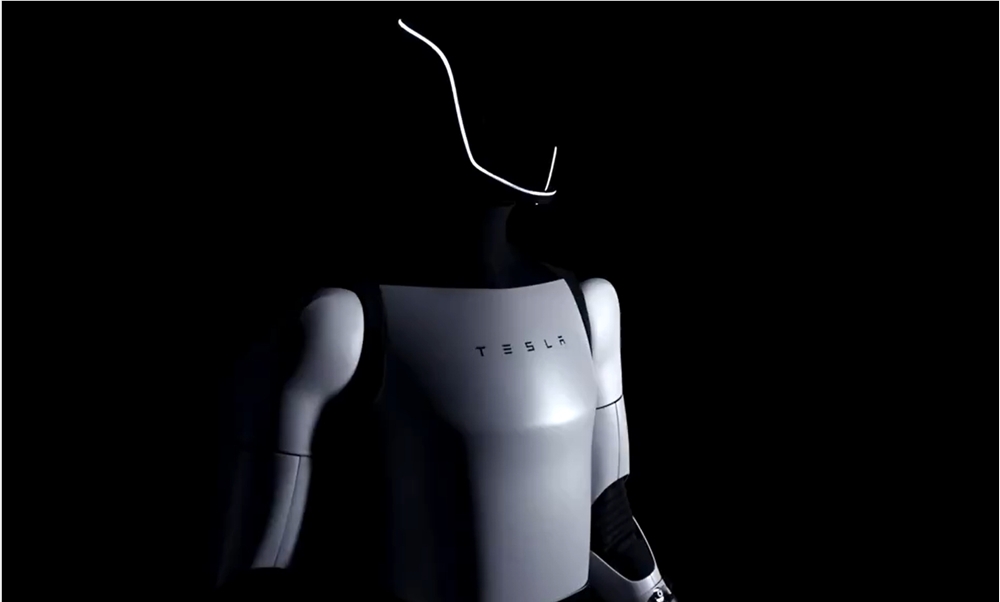
Tesla has shifted gears in its robotics strategy, announcing revised plans for its highly anticipated Optimus humanoid robot. The third-generation model (Optimus Gen3) is now expected to make its public debut in mid-2026, with production kicking off shortly after in the third quarter.
Production Scale-Up Signals Confidence
The electric vehicle maker isn't thinking small when it comes to robotic ambitions. In a bold manufacturing move, Tesla will repurpose its Fremont factory's Model S/X production line exclusively for Optimus robots. The company aims to achieve mass production by late 2026, eventually scaling to an astonishing 1 million units per year - a figure that dwarfs current industrial robot production worldwide.
Technical Upgrades Take Center Stage
The Gen3 version builds on its predecessor's foundation with significant improvements:
- 22-degree-of-freedom hands for enhanced dexterity
- Advanced "observe-and-imitate" behavior cloning capabilities
- Deeper integration of Tesla's AI algorithms
These upgrades will enable Optimus to graduate from basic mobility to performing complex tasks - a crucial step toward Elon Musk's vision of robots handling "boring, repetitive, or dangerous" work.
Testing and Expansion Underway
Field testing in real-world scenarios is slated to begin next year as Tesla prepares its Texas Gigafactory for even larger-scale production. The long-term target? A staggering 10 million units annually, suggesting Tesla sees robotics becoming as central to its business as electric vehicles.
While the revised timeline represents a slight delay from earlier projections, the expanded production plans demonstrate Tesla's growing confidence in its robotic technology. As competitors race to develop similar systems, Tesla appears determined to lead not just in innovation but in manufacturing scale.
Key Points:
- Launch Window: Mid-2026 debut with Q3 production start
- Manufacturing: Fremont Model S/X line converting to robot production
- Capacity Targets: 1M units/year initially, scaling to 10M long-term
- Technical Focus: Enhanced dexterity and AI behavior learning