OpenAI Bolsters ChatGPT Security Against Sneaky Prompt Attacks

OpenAI Tightens ChatGPT's Defenses Against Crafty Hackers
Image

ChatGPT just got tougher to trick. OpenAI announced significant upgrades to its AI's security system this week, specifically designed to thwart increasingly sophisticated prompt injection attacks - the digital equivalent of social engineering scams targeting artificial intelligence.

Locking Down Vulnerabilities

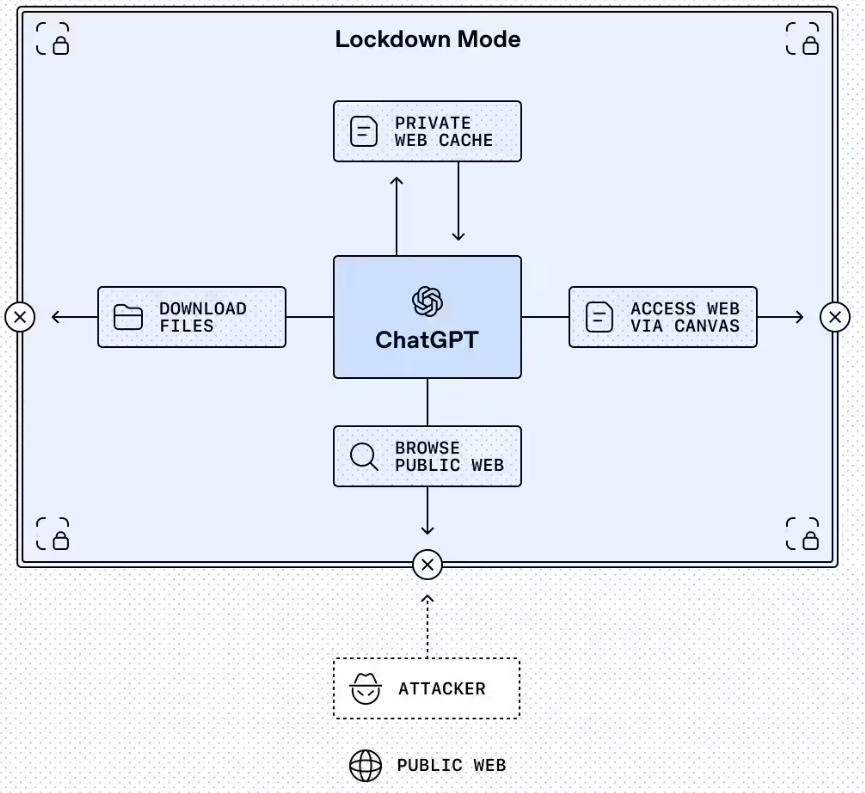
The standout feature is Lockdown Mode, an optional setting currently available for enterprise and education versions. Picture it as ChatGPT's version of putting on armor before entering sketchy neighborhoods online. When activated, it severely limits how the AI interacts with external systems:

  • Web browsing gets restricted to cached content only
  • Features without robust security guarantees get automatically disabled
  • Administrators can fine-tune exactly which external applications remain accessible

"We're giving organizations tighter control over their risk exposure," explained an OpenAI spokesperson. "Lockdown Mode isn't meant for everyday chatting - it's digital body armor for high-stakes professional environments."

The mode arrives alongside enhanced dashboard controls letting IT teams:

  • Create custom permission roles
  • Monitor usage through Compliance API Logs
  • Prepare detailed regulatory audits

Clear Warning Labels

The second major change introduces standardized "Elevated Risk" tags across ChatGPT, Atlas and Codex products. These bright red flags appear whenever users enable potentially dicey functions like unrestricted web access.

The labels don't just scream "danger!" - they provide practical guidance:

  • Specific risks involved
  • Recommended mitigation strategies
  • Ideal use case scenarios

Developers working with Codex will especially appreciate these warnings when enabling network capabilities that could expose sensitive data.

Why This Matters Now

Prompt injection attacks have emerged as one of AI's most insidious threats. Clever hackers can manipulate chatbots into:

  • Revealing confidential information
  • Executing unauthorized commands
  • Bypassing ethical safeguards

The new protections acknowledge that while internet-connected AI offers tremendous utility, those benefits come with real dangers that require thoughtful safeguards.

Looking ahead, OpenAI plans to bring Lockdown Mode to consumer versions within months - though most home users probably won't need its strictest settings.

Key Points:

  • Lockdown Mode restricts risky external interactions for enterprise/education users
  • Elevated Risk tags clearly warn about potentially dangerous functions
  • Both features build on existing sandbox and URL protection systems
  • Consumer version updates expected later this year
Enjoyed this article?

Subscribe to our newsletter for the latest AI news, product reviews, and project recommendations delivered to your inbox weekly.

Weekly digestFree foreverUnsubscribe anytime

Related Articles

Gemini Under Siege: How Hackers Are Stealing AI Secrets
News

Gemini Under Siege: How Hackers Are Stealing AI Secrets

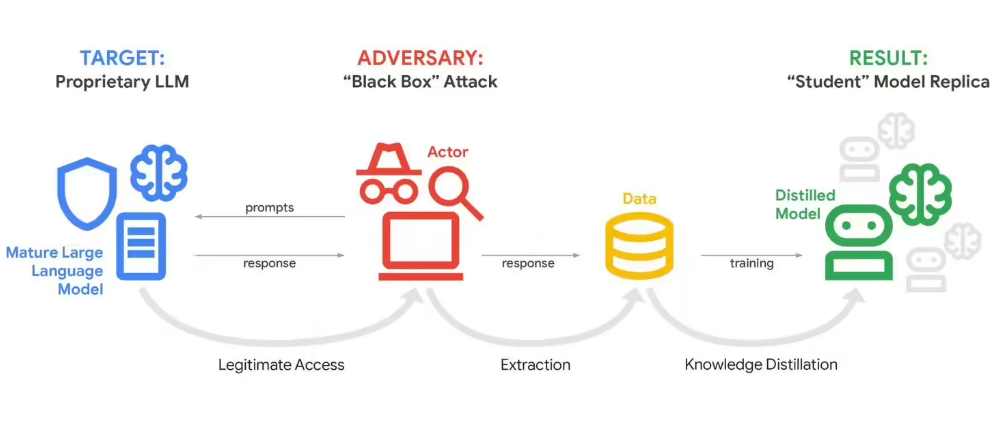
Google's Gemini AI chatbot faces an unprecedented security threat as attackers bombard it with over 100,000 prompts in attempts to reverse-engineer its core logic. Security experts warn this 'model distillation' technique could become widespread, putting corporate AI investments at risk. The attacks appear commercially motivated, targeting Gemini's proprietary decision-making algorithms.

February 15, 2026
AI SecurityGoogle GeminiModel Distillation
ChatGPT Says Goodbye to GPT-4o: 800,000 Users Face Forced Upgrade
News

ChatGPT Says Goodbye to GPT-4o: 800,000 Users Face Forced Upgrade

OpenAI is pulling the plug on five older ChatGPT models this Friday, with controversial GPT-4o leading the shutdown. The move affects about 800,000 loyal users who've formed emotional bonds with the AI. While OpenAI cites security concerns and legal pressures, many users are fighting back - some credit GPT-4o with saving their lives.

February 14, 2026
OpenAIGPT-4AI Ethics
News

Claude Plugins Expose Critical Security Flaw Through Calendar Invites

A newly discovered vulnerability in Claude's desktop extensions allows hackers to execute malicious code remotely through seemingly innocent Google Calendar invites. Security researchers warn this 'zero-click' attack could have devastating consequences, scoring a perfect 10/10 on the CVSS risk scale. While Anthropic shifts responsibility to users, experts argue the plugin system fails basic security expectations.

February 11, 2026
AI SecurityClaude VulnerabilitiesZero-Click Attacks
NanoClaw: The Lightweight AI Assistant That Puts Security First
News

NanoClaw: The Lightweight AI Assistant That Puts Security First

Meet NanoClaw, a sleek new AI assistant built for security-conscious users. Born from OpenClaw's limitations, this innovative tool runs Claude assistant within Apple containers for ironclad isolation. With just 8 minutes needed to grasp its codebase and unique features like WhatsApp integration, NanoClaw offers simplicity without sacrificing protection. While macOS-focused, developers hint at Linux compatibility through Claude.

February 2, 2026
AI SecurityDigital PrivacyApple Technology
Major Security Flaws Found in Popular AI Platforms
News

Major Security Flaws Found in Popular AI Platforms

Security researchers have uncovered alarming vulnerabilities in OpenClaw and Moltbook, two widely used AI platforms. Tests reveal shockingly easy access to sensitive data, with prompt injection attacks succeeding 91% of the time. Experts warn these flaws could allow hackers to impersonate high-profile users and steal critical information.

February 2, 2026
AI SecurityData BreachCybersecurity
News

Open-Source AI Models Pose Security Risks as Hackers Exploit Unprotected Systems

A new study by SentinelOne and Censys reveals thousands of unprotected open-source AI models being exploited by hackers. These vulnerable systems, often stripped of security features, are being used to generate harmful content like phishing emails and disinformation campaigns. Researchers found that 25% of analyzed instances allowed direct access to core system prompts, with 7.5% modified for malicious purposes. The findings highlight growing concerns about unregulated AI deployment beyond major platforms' safety measures.

January 30, 2026
AI SecurityOpen Source RisksCybersecurity Threats