Claude Plugins Expose Critical Security Flaw Through Calendar Invites

Claude Plugin Vulnerability Turns Calendar Invites Into Cyber Threats

Security researchers have uncovered a disturbing flaw in Claude's desktop extensions that transforms routine calendar management into a potential cyberattack vector. The vulnerability, discovered by Israeli firm LayerX, allows attackers to remotely execute malicious code without any user interaction - what experts call a 'zero-click' attack.

How the Exploit Works

The danger lies in how Claude automatically processes external inputs like Google Calendar invitations. Imagine receiving what appears to be a normal meeting request. Behind the scenes, however, it contains hidden instructions that trick Claude into activating plugins with command execution privileges.

"This isn't just clicking a suspicious link," explains cybersecurity analyst Mark Reynolds. "The AI makes decisions autonomously - downloading, compiling and running harmful code before you even realize something's wrong."

The attack earns rare perfect scores on vulnerability rating scales because it bypasses all typical warning signs users might notice.

Company Response Raises Eyebrows

Anthropic's reaction has surprised security professionals. Rather than pledging fixes, the company maintains that its MCP plugins (formerly Claude Desktop Extensions) operate as intended - local development tools where security falls to users.

"It's like selling a car without seatbelts and blaming crashes on drivers," counters LayerX researcher Dr. Elena Petrov. "Yes, users bear responsibility, but manufacturers must implement reasonable safeguards."

The debate centers on whether AI assistants should anticipate such indirect attacks through calendar systems - increasingly common targets as traditional email defenses improve.

Protecting Yourself

Until resolution:

  • Review all plugin permissions immediately
  • Consider disabling automatic calendar processing
  • Monitor unusual system activity after accepting invites
  • Stay updated on official security advisories

The incident highlights growing pains as AI assistants integrate deeper into our digital lives while attackers find creative ways to exploit these connections.

Key Points:

  • Critical Risk: Vulnerability scores maximum severity rating (10/10 CVSS)
  • Stealth Attack: Malicious calendar items trigger automated code execution
  • Responsibility Debate: Anthropic argues user-configured systems bear security burden
Enjoyed this article?

Subscribe to our newsletter for the latest AI news, product reviews, and project recommendations delivered to your inbox weekly.

Weekly digestFree foreverUnsubscribe anytime

Related Articles

NanoClaw: The Lightweight AI Assistant That Puts Security First
News

NanoClaw: The Lightweight AI Assistant That Puts Security First

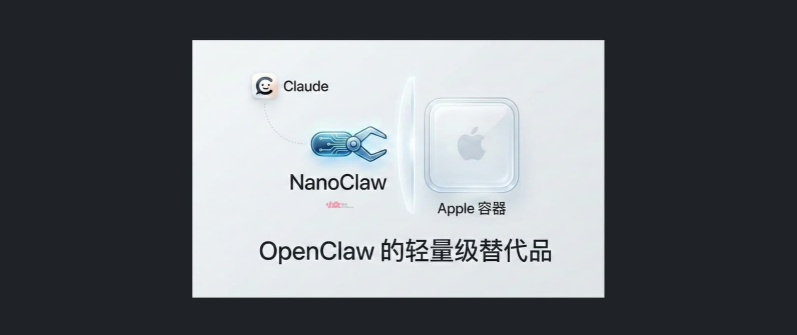
Meet NanoClaw, a sleek new AI assistant built for security-conscious users. Born from OpenClaw's limitations, this innovative tool runs Claude assistant within Apple containers for ironclad isolation. With just 8 minutes needed to grasp its codebase and unique features like WhatsApp integration, NanoClaw offers simplicity without sacrificing protection. While macOS-focused, developers hint at Linux compatibility through Claude.

February 2, 2026
AI SecurityDigital PrivacyApple Technology
Major Security Flaws Found in Popular AI Platforms
News

Major Security Flaws Found in Popular AI Platforms

Security researchers have uncovered alarming vulnerabilities in OpenClaw and Moltbook, two widely used AI platforms. Tests reveal shockingly easy access to sensitive data, with prompt injection attacks succeeding 91% of the time. Experts warn these flaws could allow hackers to impersonate high-profile users and steal critical information.

February 2, 2026
AI SecurityData BreachCybersecurity
News

Open-Source AI Models Pose Security Risks as Hackers Exploit Unprotected Systems

A new study by SentinelOne and Censys reveals thousands of unprotected open-source AI models being exploited by hackers. These vulnerable systems, often stripped of security features, are being used to generate harmful content like phishing emails and disinformation campaigns. Researchers found that 25% of analyzed instances allowed direct access to core system prompts, with 7.5% modified for malicious purposes. The findings highlight growing concerns about unregulated AI deployment beyond major platforms' safety measures.

January 30, 2026
AI SecurityOpen Source RisksCybersecurity Threats
News

Lima 2.0 Reinvents Itself as AI's Silent Guardian

The open-source tool Lima has unveiled its 2.0 version, shifting from a simple container solution to a sophisticated security platform for AI development. Its new 'sandbox' feature creates virtual walls around AI coding assistants, preventing them from accessing sensitive host files—even when compromised. The update also brings GPU acceleration for Apple chips and introduces plugin support, making it easier for developers to customize their workflow while keeping AI interactions safe.

December 24, 2025
AI SecurityDeveloper ToolsContainer Technology
OpenAI Confirms AI Browser Security Flaws, Deploys Robot Hackers
News

OpenAI Confirms AI Browser Security Flaws, Deploys Robot Hackers

OpenAI acknowledges persistent security vulnerabilities in its AI-powered Atlas browser, warning that prompt injection attacks pose an ongoing challenge. The company is fighting fire with fire by deploying AI-powered 'robotic hackers' to test defenses. Experts advise caution when granting permissions to AI agents as the industry scrambles for solutions.

December 23, 2025
AI SecurityOpenAIPrompt Injection
China Launches AI Security Database to Tackle Emerging Threats
News

China Launches AI Security Database to Tackle Emerging Threats

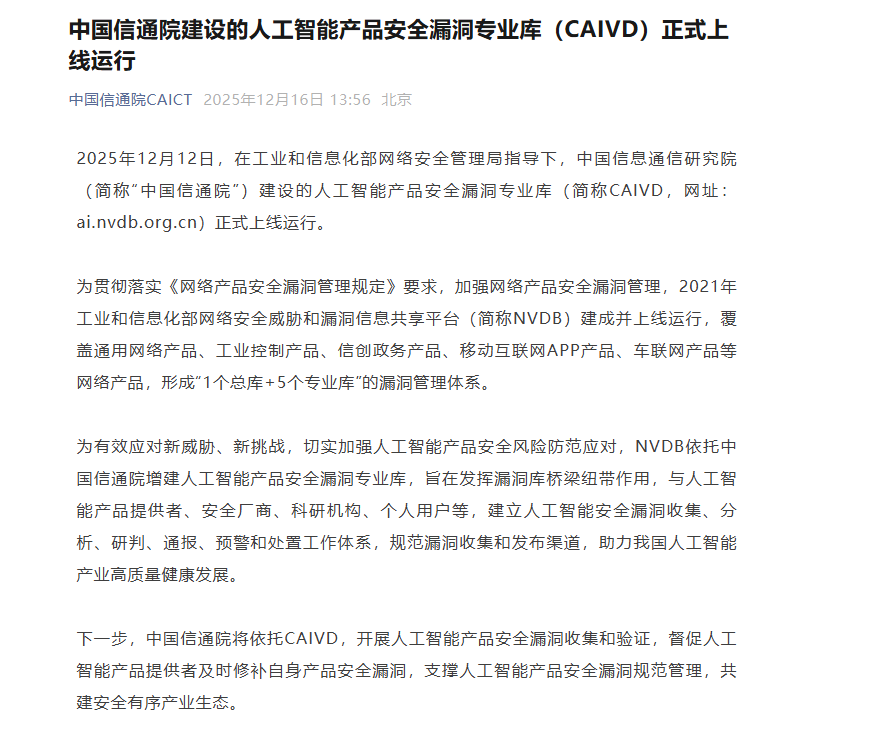
China's tech watchdog has rolled out a specialized database to track security flaws in AI products, marking a significant step in safeguarding the rapidly growing industry. The new platform connects developers, security experts and users to identify and fix vulnerabilities before they're exploited. This initiative builds on existing cybersecurity measures while addressing unique risks posed by artificial intelligence systems.

December 16, 2025
AI SecurityCybersecurityVulnerability Management