NanoClaw: The Lightweight AI Assistant That Puts Security First

NanoClaw Reinvents AI Assistance with Tight Security

In our digital world where AI assistants are becoming as common as smartphones, one developer spotted a critical gap in the market: security. Enter NanoClaw, the lightweight alternative to OpenClaw that's turning heads with its innovative approach to privacy protection.

From Praise to Innovation

The story begins with OpenClaw's popularity - and its problems. While praised for functionality, its sprawling architecture (52 modules and 45 dependencies) created security vulnerabilities through shared memory spaces. "We loved OpenClaw," admits the developer behind NanoClaw, "but watching all programs run in one Node.js process felt like leaving your front door unlocked."
Image

Containerized Confidence

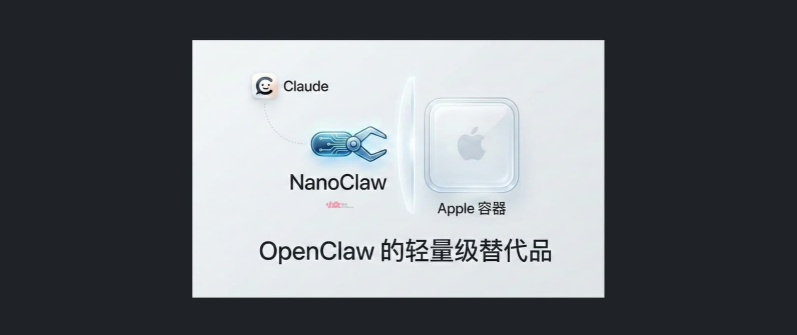
NanoClaw's breakthrough comes from Apple container technology. Unlike application-level permissions that can be bypassed, this operating system-level isolation creates digital fortresses around each user's data. Imagine individual vaults instead of shared desks - that's NanoClaw's security philosophy in action.

The simplicity surprises many. You can understand the entire codebase during your morning coffee break (about 8 minutes). Yet this minimalism packs powerful features:

  • Seamless WhatsApp integration
  • Smart scheduled tasks
  • Context-specific memory isolation

Designed for Real People

"Small enough to understand" isn't just a tagline - it's NanoClaw's design mantra. The team eliminated complex configuration files that frustrate casual users. On macOS Tahoe or later, setup feels more like unwrapping a new device than installing software.

Platform flexibility reveals thoughtful compromises. While optimized for macOS, Linux users aren't left out entirely - Claude can bridge the gap when needed. The proxy program runs securely within containers too, with transparent access rights that let you know exactly what's happening with your data.

The Future of Lightweight AI?

NanoClaw represents an emerging trend: specialized tools trading universal compatibility for targeted excellence. By focusing squarely on Claude assistant integration and security isolation, it delivers a polished experience general-purpose tools struggle to match.

The question isn't whether we need more AI assistants - it's whether we can trust them with our digital lives. NanoClaw makes its case not through flashy features but through fundamental reassurances: simplicity you can see and security you can count on.

Key Points:

  • Security First: Apple container technology provides OS-level isolation surpassing traditional permissions
  • Simplified Experience: Entire codebase understandable in minutes; no complex configurations required
  • Targeted Features: Optimized specifically for Claude assistant with WhatsApp integration and scheduling
  • macOS Focused: Designed primarily for macOS Tahoe+, though Linux workarounds exist via Claude
  • Transparent Operations: Clear access rights show exactly what data is being used and how
Enjoyed this article?

Subscribe to our newsletter for the latest AI news, product reviews, and project recommendations delivered to your inbox weekly.

Weekly digestFree foreverUnsubscribe anytime

Related Articles

OpenClaw Security Woes Deepen as Social Platform Leaks Sensitive Data
News

OpenClaw Security Woes Deepen as Social Platform Leaks Sensitive Data

The OpenClaw AI ecosystem faces mounting security challenges, with researchers uncovering critical vulnerabilities back-to-back. Just days after patching a dangerous 'one-click' remote code execution flaw, its affiliated social network Moltbook exposed thousands of API keys through a misconfigured database. These incidents raise serious questions about security practices in rapidly developing AI projects.

February 3, 2026
AI SecurityData BreachVulnerability Management
Major Security Flaws Found in Popular AI Platforms
News

Major Security Flaws Found in Popular AI Platforms

Security researchers have uncovered alarming vulnerabilities in OpenClaw and Moltbook, two widely used AI platforms. Tests reveal shockingly easy access to sensitive data, with prompt injection attacks succeeding 91% of the time. Experts warn these flaws could allow hackers to impersonate high-profile users and steal critical information.

February 2, 2026
AI SecurityData BreachCybersecurity
News

Open-Source AI Models Pose Security Risks as Hackers Exploit Unprotected Systems

A new study by SentinelOne and Censys reveals thousands of unprotected open-source AI models being exploited by hackers. These vulnerable systems, often stripped of security features, are being used to generate harmful content like phishing emails and disinformation campaigns. Researchers found that 25% of analyzed instances allowed direct access to core system prompts, with 7.5% modified for malicious purposes. The findings highlight growing concerns about unregulated AI deployment beyond major platforms' safety measures.

January 30, 2026
AI SecurityOpen Source RisksCybersecurity Threats
News

Firefox Goes All-In on AI, Sparking Privacy Concerns Among Developers

Mozilla's bold move to integrate AI directly into Firefox has divided its community. While the company sees this as crucial for staying competitive in a shrinking market, developers warn it could undermine Firefox's core privacy values. Concerns range from data security risks to potential manipulation of AI behavior - raising tough questions about balancing innovation with user protection.

December 29, 2025
Browser WarsAI EthicsDigital Privacy
News

AI Image Tools Misused to Create Nonconsensual Deepfakes

Popular AI image generators from Google and OpenAI are being manipulated to create inappropriate deepfake images of women without their consent. Despite safeguards, users have found ways to bypass filters and generate altered versions of photos showing women in revealing clothing. While platforms scramble to remove such content, experts warn these tools lower barriers for creating harmful misinformation.

December 24, 2025
AI EthicsDeepfake TechnologyDigital Privacy
ChatGPT Unveils Personalized Year-End Reports – Here's What You Get
News

ChatGPT Unveils Personalized Year-End Reports – Here's What You Get

OpenAI introduces 'Your Year with ChatGPT,' a personalized review feature that transforms your AI conversations into visual summaries, custom poems, and quirky personality badges. Available to English-speaking users who opt in, this playful recap highlights your most-discussed topics while prioritizing privacy. Think Spotify Wrapped – but for your AI chats.

December 24, 2025
ChatGPTAI TrendsDigital Privacy