Nanjing Buses Adopt AI for Smarter Scheduling with Ant Digital
Nanjing Buses Leverage AI for Enhanced Scheduling Efficiency
Nanjing's public transportation system is undergoing a significant transformation with the introduction of AI-driven scheduling technology, developed in collaboration with Ant Digital. The newly launched 'Bus Network Optimization Intelligent Agent' represents China's first deep integration of AI into public transport operations, promising more efficient and data-backed route planning.
From Experience to Intelligence: A New Era for Public Transport
The system, dubbed 'Xiao Lan Jing', utilizes multidimensional data analysis—including station locations, passenger flow patterns, and route efficiency—to optimize bus networks. This shift from traditional experience-based decision-making to AI-powered intelligent planning addresses long-standing challenges such as:
- Rush hour capacity adjustments
- Route realignments for better connectivity
- Passenger flow predictions
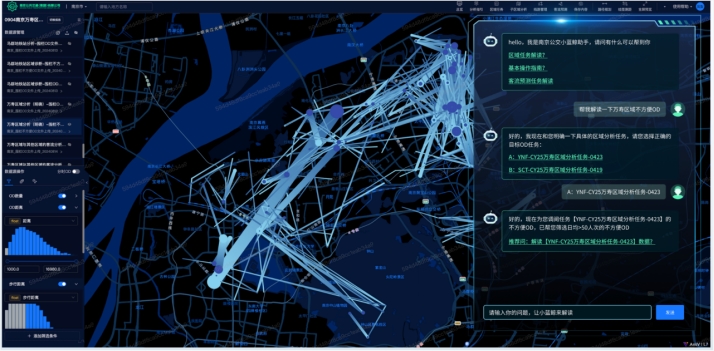 Figure: Nanjing Bus Intelligent Agent Xiao Lan Jing
Phase I Successes and Phase II Ambitions
Since its initial implementation in 2022, the AI system has already demonstrated measurable success:
- Assisted in launching 30+ micro-loop routes
- Added 84 new pick-up points
- Optimized Line 210 serving nearly 50% elderly passengers with reduced transfer times
The upcoming Phase II will incorporate Ant Digital's advanced AI Intelligent Agent technology, featuring:
- Multimodal recognition capabilities
- Enhanced semantic understanding
- Advanced logical reasoning algorithms
- Knowledge enhancement systems
- Agent tool scheduling functions
The upgraded system will generate comprehensive reports including route plans, station layouts, and economic feasibility analyses through simple natural language commands.
Real-world Impact: Beyond Commuters to Tourism
The AI-optimized Line 210 serves as a prime example of the system's broader benefits. While primarily designed for daily commuters, the route also connects multiple tourist attractions including:
- Xiaguan Wharf
- Caihong Bridge
The line maintains consistent ridership on weekends—an unexpected but welcome outcome of the AI-driven optimization.
Technical Foundations for Future Growth
The Phase II implementation will employ a hybrid approach combining:
- A large bus model for general analysis
- Vertical small models for specific scenarios like:
- Micro-loop buses
- Bus-metro connections
- Route operation optimization
This technical architecture ensures both broad applicability and precise optimization for Nanjing's unique transportation challenges.
Key Points:
- Nanjing becomes China's first city to deeply integrate AI agents into public transport scheduling.
- The 'Xiao Lan Jing' system analyzes multiple data dimensions to replace experience-based decisions with data-driven solutions.
- Phase I results include 30+ new routes and improved service for elderly passengers.
- Phase II will introduce more advanced AI capabilities through Ant Digital's technology.
- The system benefits both daily commuters and tourism through optimized route planning.