Musk's Davos Surprise: Tesla Robots Could Be in Homes by 2027
Musk Unveils Timeline for Household Robots at Davos
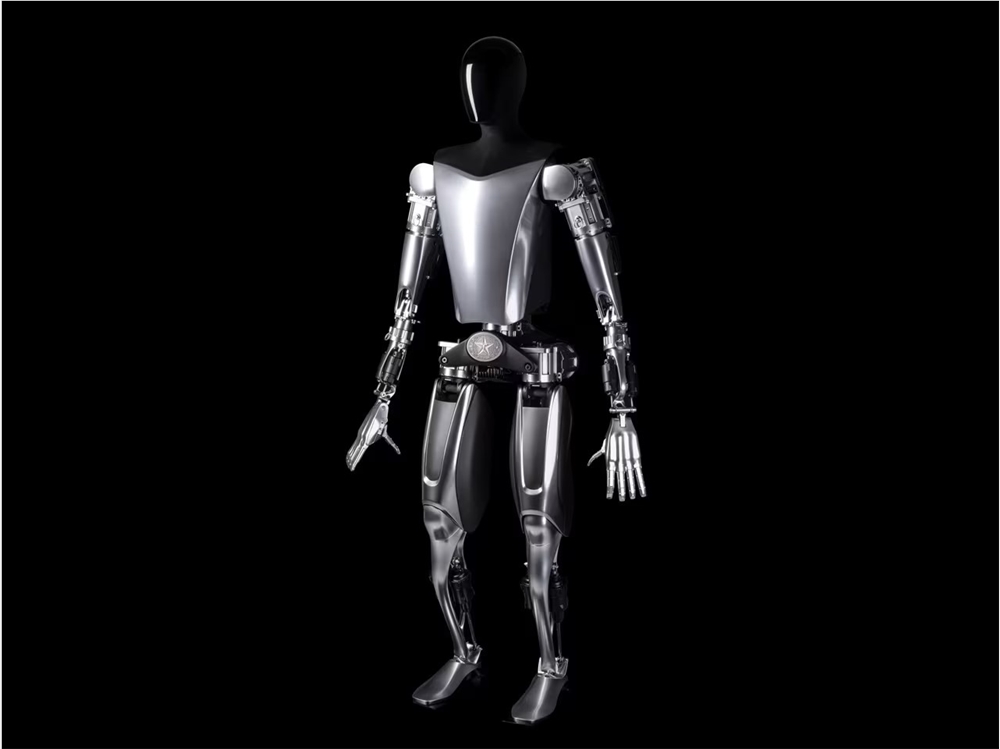
In a rare appearance at the World Economic Forum in Davos, Tesla CEO Elon Musk dropped what might be his most ambitious timeline yet - predicting that the company's Optimus humanoid robots could be helping in homes by late 2027.
From Factory Floors to Family Rooms
The tech billionaire revealed during a conversation with BlackRock's Larry Fink that Optimus robots are currently performing basic tasks in Tesla factories. But Musk sees them evolving rapidly: "By late 2026, they'll handle complex industrial work, and a year later, they should be ready for your living room."
Musk painted a picture of domestic life transformed, where Optimus could:
- Care for children and pets
- Assist elderly family members
- Handle nearly any household chore
"Reliability and safety will reach extremely high levels," Musk assured attendees, though he stopped short of sharing specific safety test results.
The Rocky Road to Robot Adoption
The visionary CEO tempered expectations on social media platform X, warning that initial production would follow an "S-curve" - painfully slow at first before accelerating dramatically. The challenge? Nearly every component needs to be developed from scratch.
Market analysts remain cautiously optimistic. Mahoney Asset Management noted that success hinges on proving scalable manufacturing and clear cost benefits per unit. Perhaps the biggest hurdle? These robots need real-world experience - something you can't simulate in a lab.
"It's one thing to build prototypes," said robotics analyst Janice Chen. "It's another to mass-produce affordable machines that can safely navigate unpredictable human environments day after day."
Key Points:
- 2027 Target: Tesla aims to sell Optimus robots directly to consumers by late 2027
- Current Status: Performing simple tasks in Tesla factories today
- Production Challenges: Initial rollout will be slow due to new components and processes
- Industry Concerns: Lack of real-world training data remains major technical hurdle