Musk's Davos Surprise: Tesla Robots Could Be in Homes by 2027

Musk's Robot Revolution Begins at Davos
Image

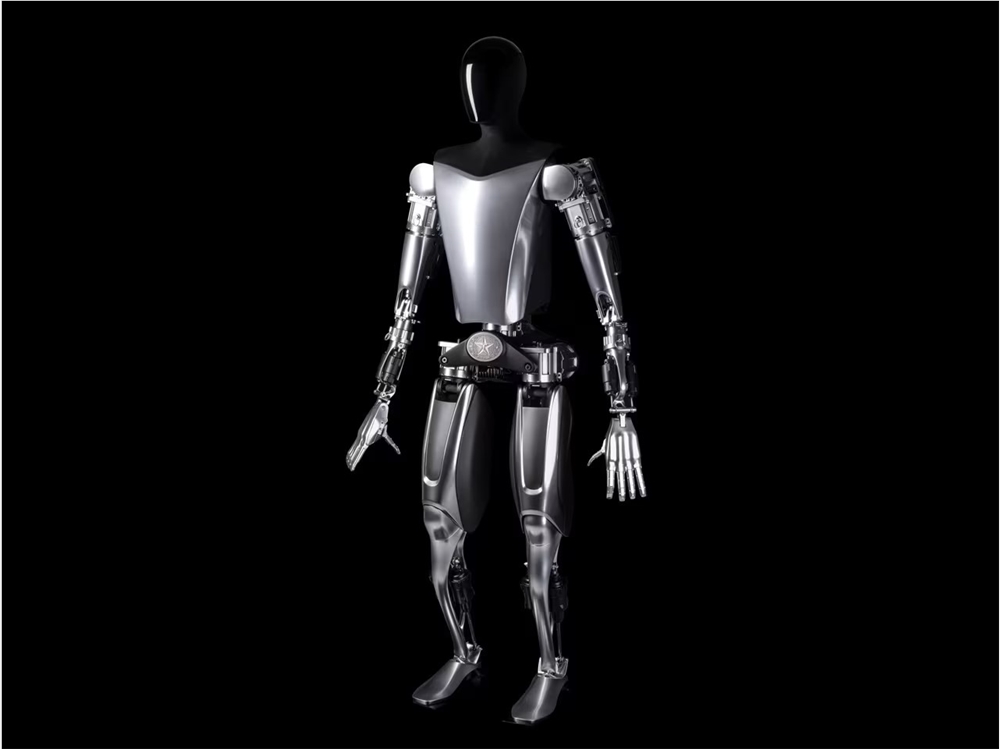
In a rare appearance at the World Economic Forum, Elon Musk dropped a bombshell announcement: Tesla's Optimus humanoid robots could be helping with your household chores within three years. The tech mogul, known for his ambitious timelines, revealed concrete plans to bring these mechanical helpers from factory floors to family homes by late 2027.

From Assembly Lines to Living Rooms

"By 2027, Optimus will reach an unprecedented level of reliability," Musk told BlackRock CEO Larry Fink during their summit dialogue. He painted a picture of robots that could handle nearly any domestic task - walking dogs, babysitting kids, or assisting elderly parents. The vision? A world where robotic assistants become as commonplace as smartphones.

Right now, early versions of Optimus are performing simple tasks in Tesla factories. But Musk expects significant upgrades:

  • Industrial phase (2026): Handling complex manufacturing jobs
  • Consumer rollout (2027): Mastering delicate household duties

The Tesla CEO doubled down on his prediction that robots will eventually outnumber humans, claiming this shift will usher in an "era of economic abundance."

The Bumpy Road Ahead

Musk tempered expectations with a dose of reality on social media platform X. He warned that initial production will crawl before it can run, describing the classic "S-curve" challenge facing both Optimus and Tesla's autonomous Cybercab. Early adopters might need patience as the company works through new part designs and manufacturing processes.

Industry analysts aren't quite ready to join Musk's robot revolution just yet. Mahoney Asset Management highlighted two major hurdles:

  1. Scalability: Can Tesla manufacture these complex machines affordably at scale?
  2. Real-world data: Current AI models lack sufficient practical experience outside lab environments

The trillion-dollar question remains: Will consumers trust robots to care for their loved ones? Only time - and rigorous testing - will tell.

Key Points:

  • Target launch: Consumer sales begin late 2027
  • Current status: Performing basic factory tasks
  • Projected abilities: Child/pet/elder care, household chores
  • Production challenge: Slow initial rollout expected
  • Industry concerns: Manufacturing scalability and real-world performance data
Enjoyed this article?

Subscribe to our newsletter for the latest AI news, product reviews, and project recommendations delivered to your inbox weekly.

Weekly digestFree foreverUnsubscribe anytime

Related Articles

Microsoft's Rho-alpha Brings Robots Closer to Human-Like Abilities
News

Microsoft's Rho-alpha Brings Robots Closer to Human-Like Abilities

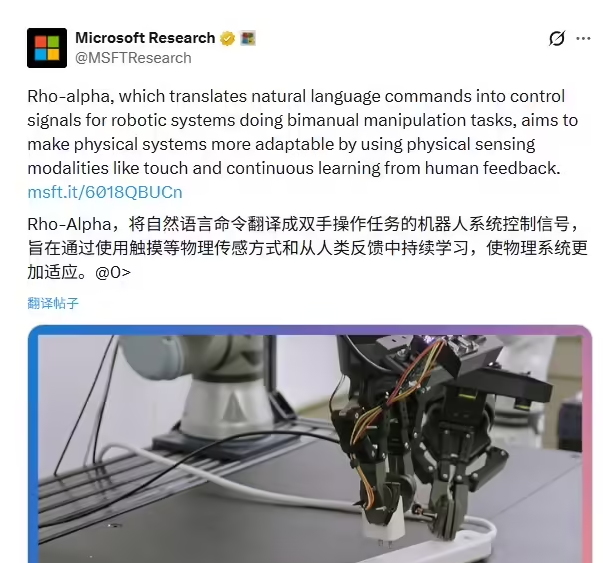
Microsoft has unveiled its Rho-alpha AI model, marking a significant leap in robotic capabilities. Unlike traditional industrial robots confined to predictable environments, Rho-alpha enables machines to navigate complex real-world scenarios with human-like adaptability. The model integrates natural language understanding with tactile feedback, allowing robots to respond dynamically to verbal commands and physical interactions. What sets it apart is its continuous learning system - operators can correct mistakes in real-time, helping robots refine their skills through a combination of simulation data and actual experience.

January 22, 2026
RoboticsAI InnovationMicrosoft Research
Musk Revives Tesla's Dojo Project with Cosmic Ambitions
News

Musk Revives Tesla's Dojo Project with Cosmic Ambitions

Elon Musk has breathed new life into Tesla's previously shelved Dojo project, but with an interstellar twist. The revamped Dojo3 initiative aims to deploy AI computing centers in space, potentially solving Earth's growing power crisis. This bold move comes as competition heats up in autonomous driving technology, with NVIDIA recently releasing open-source models challenging Tesla's FSD system.

January 21, 2026
TeslaSpaceAISemiconductors
Robots Get Nervous Too: Ethernovia Raises $90M to Build AI's Fastest Nerve Network
News

Robots Get Nervous Too: Ethernovia Raises $90M to Build AI's Fastest Nerve Network

Silicon Valley startup Ethernovia just secured $90 million to develop what could become the nervous system for next-gen robots and self-driving cars. Their breakthrough? Lightning-fast ethernet chips that process sensor data faster than ever before. With backers like Porsche and Qualcomm jumping in, this funding signals a major shift - investors are now betting big on the physical hardware that makes advanced AI actually work in the real world.

January 21, 2026
AI HardwareRoboticsAutonomous Vehicles
News

Unitree Robotics Secures Humanoid Robot Patent Amid Market Expansion

Chinese robotics firm Unitree Robotics has been granted a design patent for its versatile humanoid robot, signaling its push into commercialization. The patent highlights modular design features adaptable for industrial, domestic, and even space applications. Backed by major investors including Sequoia Capital China, the company has boosted its registered capital to 360 million yuan as it positions itself in the growing humanoid robotics market.

January 20, 2026
RoboticsTech InnovationArtificial Intelligence
News

Musk Demands $134 Billion from OpenAI in Stunning Lawsuit

Elon Musk has launched a bombshell lawsuit against OpenAI and Microsoft, seeking $134 billion in damages. The Tesla CEO alleges the AI pioneer betrayed its founding principles by becoming a 'de facto Microsoft subsidiary.' Musk claims his early contributions entitle him to compensation, while OpenAI calls the suit 'baseless harassment.' The case raises profound questions about who controls transformative AI technology.

January 19, 2026
ElonMuskOpenAIMicrosoft
News

Skild AI's $14B Leap: SoftBank and NVIDIA Bet Big on Robot Brains

Pittsburgh-based Skild AI just landed a whopping $1.4 billion investment, catapulting its valuation to $14 billion. Tech heavyweights like SoftBank and NVIDIA are betting big on the company's vision to create a universal 'brain' for robots—one that could teach machines to adapt rather than just follow scripts. Imagine robots that learn household chores by watching videos, then apply those skills whether they're humanoid helpers or industrial arms.

January 16, 2026
Artificial IntelligenceRoboticsTech Investment