Meta's Spatial Lingo Turns Your Living Room Into a Language Classroom
Meta's New AR App Makes Language Learning Feel Like Play
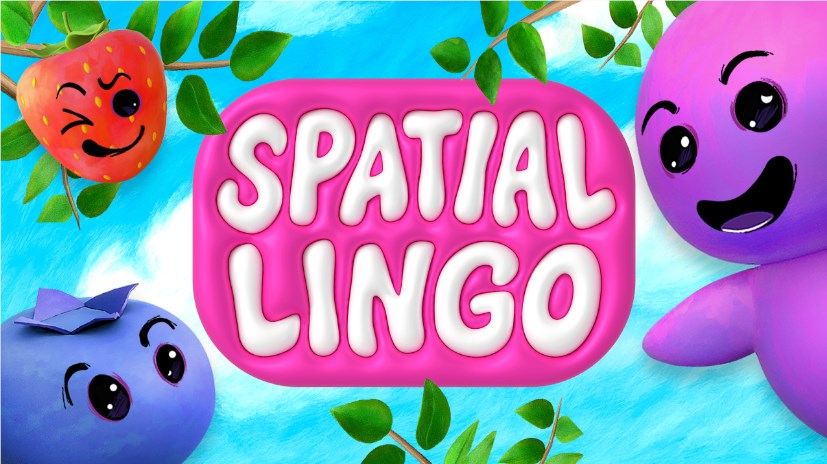
Imagine pointing at your coffee table and instantly learning how to describe it in Spanish, French, or Mandarin. That's the promise of Spatial Lingo, Meta's newest open-source project now available on GitHub. This Unity-based application blends augmented reality with language education in surprisingly practical ways.
Learning Through Your Environment
The app's magic lies in its ability to turn familiar surroundings into personalized language lessons. A virtual guide named Golly Gosh prompts users to identify and describe objects around them using their target language. "It's like having a patient tutor who never gets tired of pointing at things in your house," explains one early tester.
What sets Spatial Lingo apart is its technical backbone:
- Hand tracking eliminates clunky controllers
- Dynamic course generation builds lessons around your actual environment
- Multi-language support covers speech recognition and text-to-speech
The system grows with learners, automatically introducing related verbs and adjectives as they master basic nouns. Forget flashcards - your sofa becomes a vocabulary lesson.
A Developer's Playground
Beyond its educational value, Spatial Lingo serves as a showcase for Meta's developer tools:
Perspective Camera API (PCA)
Voice SDK
Mixed Reality Utility Kit (MRUK)
The package includes sample scenes ranging from gym environments to word clouds, demonstrating practical implementations developers can build upon. "We wanted to create something both useful and inspirational," notes the project documentation.
Technical requirements are straightforward:
- Unity 6000.0.51f1 or newer
- Proper Llama API key configuration (with strong warnings against hardcoding keys)
The GitHub repository provides everything needed to start experimenting, from source code to detailed setup guides.
Why This Matters Beyond Education
While positioned as a language tool, Spatial Lingo hints at broader applications:
- Retail: Imagine virtual shopping assistants explaining products in any language
- Tourism: Instant translations overlaid on museum exhibits or street signs
- Accessibility: Environmental descriptions for visually impaired users The project demonstrates how naturally mixed reality can blend digital information with physical spaces when done thoughtfully.
Developers interested in exploring these possibilities can access the project at: https://github.com/oculus-samples/Unity-SpatialLingo