Meta Hits Pause on Llama4 Launch as Engineers Fine-Tune AI Model

Meta Delays Llama4 Launch Amid Technical Challenges

Meta's highly anticipated Llama4 large language model won't meet its original release timeline, with engineers needing until at least May to perfect the technology. This setback comes despite CEO Mark Zuckerberg's public enthusiasm for what many consider a cornerstone of Meta's AI strategy.

Behind the Delay
Insiders reveal development teams hit unexpected snags while fine-tuning two critical areas: base model performance and logical reasoning capabilities. "We're seeing incredible potential," one engineer shared anonymously, "but we won't ship until it meets our high standards."

The postponement underscores a harsh reality in today's AI race - as models grow more sophisticated, so do their development challenges. Meta finds itself walking a tightrope between computing efficiency and handling complex instructions, all while competing with OpenAI and Google's latest offerings.

Silver Linings in the Wait
While frustrating for eager developers, the delay brings potential benefits:

  • Additional security stress testing
  • More stable performance across different hardware
  • Optimized versions for everything from smartphones to data centers

Meta continues investing heavily in computational infrastructure to support these massive training requirements. Their expanded GPU clusters suggest they're preparing for something special when Llama4 finally debuts.

Open Source Commitment Remains
Despite the schedule slip, Meta reaffirms its dedication to open-source AI. The company plans multiple Llama4 variants with different parameter sizes - a strategy that could democratize access to powerful language models.

Industry analysts see this delay as strategic rather than problematic. "Better to get it right than be first," noted AI researcher Dr. Elena Torres. "If Meta delivers on their promises in May, this wait will be forgotten quickly."

The coming months will prove crucial as Meta positions Llama4 not just as another model, but as a potential game-changer in open-source AI development.

Key Points:

  • New Timeline: Llama4 launch pushed to May 2026
  • Technical Hurdles: Performance optimization and logical reasoning need refinement
  • Strategic Play: Extra development time could yield more competitive edge
  • Hardware Boost: Meta continues expanding computing infrastructure
  • Open-Source Future: Multiple model sizes planned for diverse applications

Enjoyed this article?

Subscribe to our newsletter for the latest AI news, product reviews, and project recommendations delivered to your inbox weekly.

Weekly digestFree foreverUnsubscribe anytime

Related Articles

News

Chinese AI Models Gain Global Edge as Usage Surges Past US Competitors

China's AI models have outpaced their US counterparts in weekly usage, marking a significant shift in the global AI landscape. Leading Chinese models MiniMax M2.5, Stephen Star Step3.5Flash, and DeepSeek V3.2 dominate the rankings, while newcomer Hunter Alpha makes an impressive debut with specialized agent capabilities.

March 16, 2026
AI TrendsChinese TechLanguage Models
Zhipu's GLM-5-Turbo Takes AI Agents to New Heights
News

Zhipu's GLM-5-Turbo Takes AI Agents to New Heights

Chinese AI firm Zhipu has unveiled GLM-5-Turbo, a groundbreaking model specifically designed for complex Agent scenarios. Unlike generic large models that stumble with lengthy tasks, this new release shines in tool calling, instruction processing, and continuous execution. Already topping domestic benchmarks with a 90% developer approval rating, it's now powering the innovative OpenClaw Box terminal while offering enterprise-grade security features.

March 16, 2026
AI AgentsZhipuAIGLM-5-Turbo
Meta Takes on NVIDIA With Powerful New AI Chip
News

Meta Takes on NVIDIA With Powerful New AI Chip

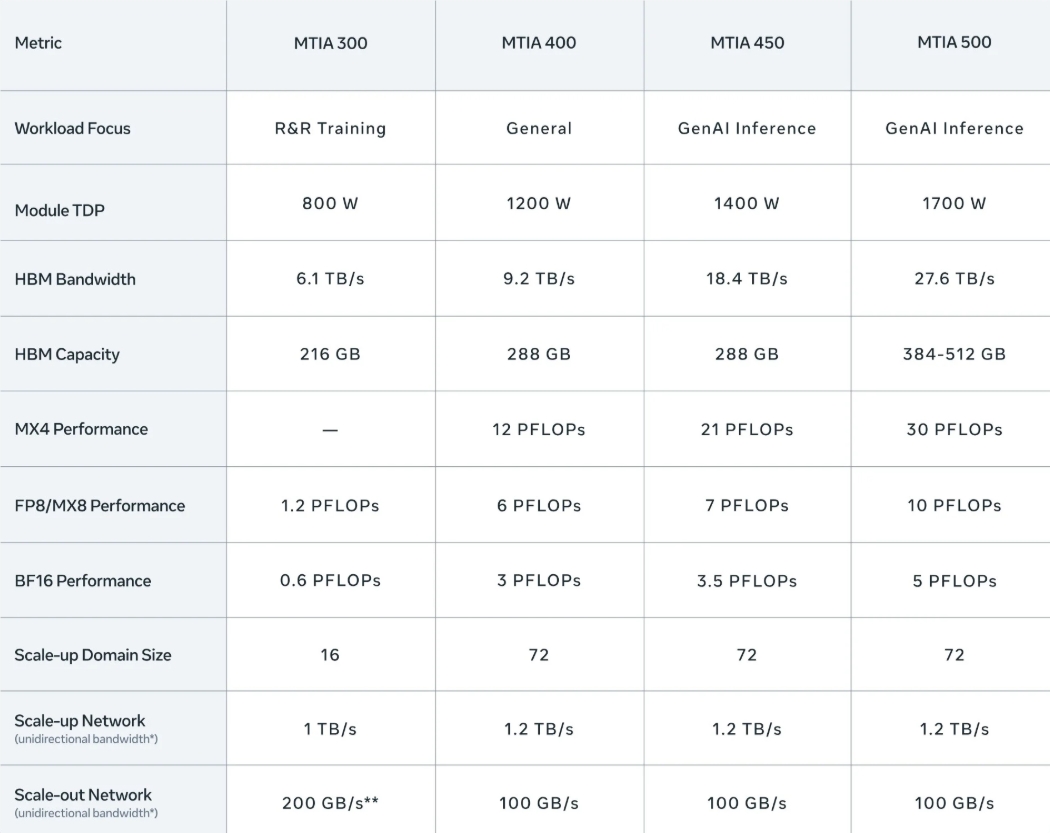
Meta has unveiled its latest custom AI chip, the MTIA3, marking a bold challenge to NVIDIA's dominance. Designed specifically for Meta's recommendation systems and AI models, the chip boasts superior energy efficiency and compute density compared to general-purpose GPUs. This strategic move aims to reduce costs, optimize hardware-software integration, and secure Meta's AI future amid global chip supply uncertainties.

March 12, 2026
AI chipsMetaNVIDIA
Tencent Defends Mirror Site Amid OpenClaw Data Scraping Controversy
News

Tencent Defends Mirror Site Amid OpenClaw Data Scraping Controversy

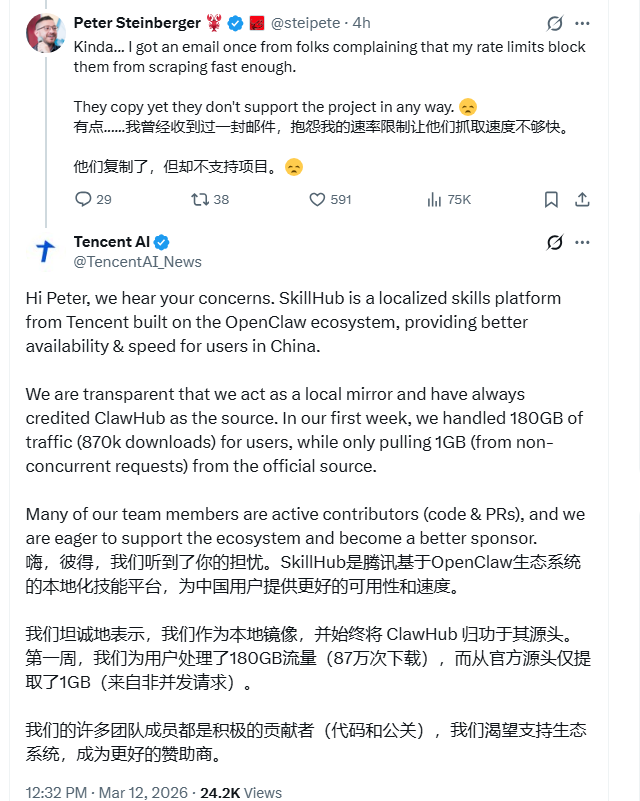
Tencent has responded to accusations from OpenClaw developer Peter Steinberger, who claims the tech giant scraped his platform's data without permission. While Tencent maintains its SkillHub mirror site actually reduced traffic pressure on the original by 99%, the dispute highlights ongoing tensions between open-source developers and corporate ecosystem expansion in the AI boom.

March 12, 2026
OpenClawTencentAI Ethics
News

WeChat Prepares to Roll Out Its Own AI Model This Year

WeChat, Tencent's ubiquitous messaging platform, is reportedly developing its own independent AI model set for release later this year. The move aims to reduce reliance on third-party systems while enhancing WeChat's mini-program ecosystem. Alongside this development, Tencent is testing an AI assistant that could transform WeChat into a comprehensive digital life interface.

March 12, 2026
WeChatAI DevelopmentTencent
News

Meta Bets Big on Homegrown AI Chips Through 2027

Meta is making a massive push into custom AI chip development, planning to roll out four generations of its own processors by late 2027. The social media giant aims to reduce reliance on Nvidia while maintaining its position as one of the world's biggest GPU buyers. Their chip roadmap includes specialized processors for content recommendations and generative AI, signaling a strategic shift toward hardware-software integration.

March 12, 2026
MetaAI HardwareSemiconductors